 Thomas Lucas
 Utrecht works best in winter when you treat it as a compact walking city, not as a checklist of indoor attractions. The canals, medieval lanes and café cellars sit close together, so a two-day visit can feel full without becoming rushed.
Why Utrecht is one of the Netherlands’ best winter breaks
My clear verdict: choose Utrecht for atmosphere, walkability and a slower pace, not for a long list of major museums. Amsterdam has greater international fame and a wider collection of headline attractions, but Utrecht offers a tighter historic centre with fewer transfers between stops. In winter, that matters. A cold walk of ten minutes can take you from the station to a heated café, a museum courtyard or the foot of the Dom Tower.
The canal system creates a different kind of city walk
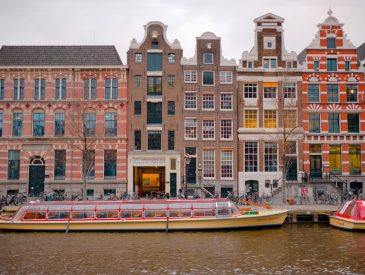
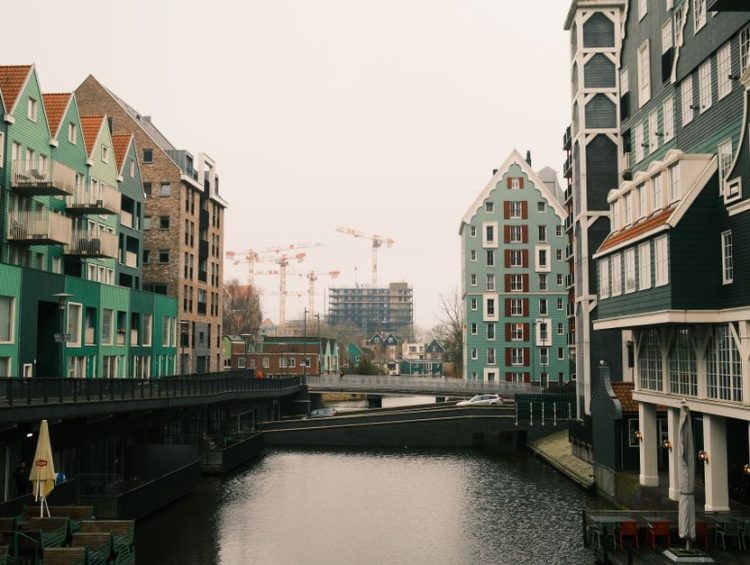
Utrecht’s Oudegracht is not simply a canal with a pavement beside it. Its lower wharf level contains old storage rooms that have become restaurants, bars and small shops. That split level gives the centre a more sheltered, layered feel than many Dutch canal districts. Begin near the Weerdsluis, follow the Oudegracht south, and stop at the bridges around the Vismarkt for views of reflected lights and narrow façades. The route is easy to shorten if rain turns heavy.
The Dom Tower gives the visit a fixed centre
The Dom Tower rises 112 metres above Domplein and remains the city’s strongest reference point. It helps first-time visitors understand Utrecht’s layout: the station lies west of the historic core, the Oudegracht runs through it, and the Dom district sits just east of the main canal. The tower’s stair tour costs €13.50 for an adult in 2026, and visitors receive access to free lockers because hand luggage is not permitted on the climb. A timed booking is the sensible choice for a winter weekend.
Utrecht’s best winter quality is not a single landmark. It is the ease of moving between a landmark, a warm room and another short stretch of historic street.
How to plan a two-day Utrecht winter itinerary
The strongest plan places outdoor walking in the brightest part of the day and saves cafés, churches and museums for the colder hours. The schedule below is deliberately loose. Winter daylight is limited, and a route that leaves twenty minutes for a wet-weather pause will usually work better than one that assumes perfect conditions.
| Time | Day one | Day two |
|---|---|---|
| 09:30 | Arrive at Utrecht Centraal; walk through Hoog Catharijne toward the old centre | Breakfast near Mariaplaats or Voorstraat |
| 11:00 | Follow the Oudegracht from the northern wharf to Vismarkt | Visit Museum Speelklok or Museum Catharijneconvent |
| 13:00 | Lunch in a lower-level canal café | Lunch around Twijnstraat or Ledig Erf |
| 14:30 | Walk Zadelstraat, Domplein and the Pandhof area | Explore the wharf cellars and southern Oudegracht |
| 16:00 | Take the Dom Tower tour if the weather is clear | Return to Domplein for final photographs |
| 18:00 | Hot chocolate or coffee, followed by dinner | Early dinner before the return train |
Use the train as the simplest arrival option
For visitors coming from Amsterdam, the official NS route from Amsterdam Amstel to Utrecht takes about 24 minutes without a change, and the listed 2026 e-ticket price starts at €8.70. The exact fare can change with the departure station, ticket type and travel date, so check the NS route and fare page before leaving. Utrecht Centraal is close enough to the historic centre that a taxi is rarely needed for a normal city break.
Book the one timed attraction before the flexible ones
Book the Dom Tower first, then build the rest around it. The adult combination ticket for Museum Speelklok and the Dom Tower is €20 and remains valid for seven days, but it must be bought at the Museum Speelklok cash desk or the Utrecht tourist information centre rather than through the digital Dom Tower shop. That ticket is the best-value named attraction option for visitors who enjoy both views and mechanical music; it is poor value for someone who dislikes museums.
Choose cafés by location, not by a generic “cosy” label
For a canal view, Teds on the Oudegracht is a practical daytime stop with a terrace facing the water and a view toward the Dom Tower. Café Elize on Mariaplaats suits a shorter coffee or hot-chocolate break after the gardens near Grand Hotel Karel V. For an evening with more local atmosphere, the cafés around Ledig Erf and the Louis Hartlooper Complex work better than staying beside the station. Menus and opening hours can change, so check the venue directly on the day.
Five mistakes that make a Utrecht winter break harder
Use the following checks before finalising the weekend. They cover the practical points that most often turn a pleasant city break into a tiring one.
- Do not schedule the Dom Tower at the end of a long walking day. The staircase tour requires energy, and the tower does not allow hand luggage. Put it after a short morning or early-afternoon route, and use the free lockers provided at the site.
- Do not treat the Oudegracht as one straight promenade. The upper street and lower wharf level have different entrances, stairs and surfaces. Pick the level that suits your mobility and weather conditions, then cross back up when needed.
- Do not assume every café accepts walk-ins at peak times. Saturday lunch can fill quickly, especially in small canal-side rooms. Eat early, reserve dinner, or keep a second café in the same district rather than travelling across town.
- Do not rely on summer opening assumptions. Winter hours, seasonal events and temporary closures can alter the plan. Check the official page for the Dom Tower, museum and chosen café on the morning of the visit.
- Do not buy a combination ticket automatically. The €20 Museum Speelklok–Dom Tower ticket is useful when both attractions match your interests. If you only want the view, the €13.50 Dom Tower ticket is the clearer purchase; if you dislike stair climbs, spend the money on an indoor museum instead.
- Do not pack the day around photographs alone. Utrecht’s strongest scenes appear in ordinary transitions: a bridge over the canal, lights on the wharf, or a warm room after a wet street. A rigid photo itinerary misses the reason the city works in winter.
These are small choices, but they determine the pace of the trip. The practical winner is a light plan with one fixed booking, two reliable indoor alternatives and enough time to walk without watching the clock.
Which Utrecht winter experience is right for your trip?
Is Utrecht better for a quiet weekend than a packed sightseeing break?
Yes. Utrecht is the better choice when you want a compact historic centre, short walks, cafés and one or two substantial attractions. It is less suitable for a visitor who wants a full week of major museums or a nightlife-focused itinerary. Two nights gives the city enough space: one afternoon for canals and Domplein, one morning for a museum, and several unplanned stops for food and warmth.
Should you climb the Dom Tower in winter?
Choose the climb when the forecast offers clear visibility and you are comfortable with stairs. The tower is the best single paid viewpoint in the centre because it explains the city’s shape from above, but cloud, wind and wet steps reduce the reward. The official Dom Tower visitor information lists the current adult stair price at €13.50 and confirms that advance booking is available. Visitors who prefer history at ground level should choose DOMunder, the Dom Church or Museum Catharijneconvent instead.
Is Utrecht worth visiting if you have already seen Amsterdam?
Yes, if you want a different scale and rhythm. The comparison is not about replacing Amsterdam’s museums or international landmarks. Utrecht offers a denser, calmer route in which the station, canals, Dom district and southern cafés can be linked on foot. The official winter itinerary from Discover Utrecht also treats the city as a 48-hour destination, with café stops and the Dom Tower built into the route.
When should you skip Utrecht for this type of break?
Skip it when the main goal is guaranteed sunshine, long outdoor cycling days or a packed programme of large attractions. Winter Utrecht rewards visitors who accept short daylight, occasional rain and a flexible pace. For that audience, it is one of the Netherlands’ strongest short breaks because the city keeps offering a warm room, a historic view or a new canal corner within minutes of the last one. The category of winter city travel is moving toward smaller, walkable destinations, and Utrecht shows why that shift has staying power.