 Thomas Lucas
 Ireland’s St Brigid’s Day public holiday was introduced in 2023, making it the first Irish public holiday named for a woman. You arrive in February expecting spring, then meet sideways rain, short daylight, and a cathedral whose visitor season may not have started. That does not ruin the trip. It simply means you need a better plan than driving around and hoping the weather behaves.
St Brigid’s Day falls on 1 February, while the Republic of Ireland observes the public holiday on the first Monday of February. In 2026, that holiday falls on Monday 2 February. The date connects Christian Saint Brigid with the older seasonal festival of Imbolc, traditionally linked with the arrival of spring. Kildare is the place to understand the story, but Dublin gives you the best backup when the forecast turns ugly.
What St Brigid’s Day actually means in Ireland
The date visitors get wrong
St Brigid’s Day is not Ireland’s second St Patrick’s Day. You will not find the same scale of street party, green merchandise, or packed pub schedule. The day is quieter and more local. People make or display St Brigid’s crosses, attend religious services, visit holy wells, and mark the shift from winter toward spring.
For visitors, the key detail is the difference between 1 February and the public holiday. The cultural date stays on 1 February. The day off moves to the first Monday. Check opening times before you travel because small museums, heritage centres, and rural cafés may close or run reduced hours on the bank holiday. The official public-holiday calendar confirms the 2026 date.
Imbolc, Brigid, and the cross
Brigid’s story sits between layers of Irish history. A Christian saint became associated with Kildare, while older traditions connected the name Brigid with healing, poetry, fertility, fire, and the first stirrings of spring. The four-armed cross woven from rushes is the symbol most visitors recognise. It was traditionally placed in homes for protection.
Do not treat the cross as a souvenir with no context. Ask where it came from, how it was made, and what the maker believes it represents. That conversation will teach you more than a rushed photo beside a sign.
Where to go for the real St Brigid story
Kildare town is the clear winner
If St Brigid’s Day is the reason for your trip, go to Kildare town. Start at the Kildare Heritage Centre in Market Square, then follow the local St Brigid’s Trail toward the cathedral site, St Brigid’s Parish Church, Solas Bhride, and St Brigid’s Well. The route gives the story a physical shape: town, church, spring, landscape, and living pilgrimage.
Solas Bhride is the strongest stop for visitors who want more than medieval ruins. It presents Brigid as a figure connected with hospitality, peace, justice, ecology, and spiritual practice. The centre welcomes people of all faiths and none. Its published visitor hours are Monday to Friday, 10am to 5pm; weekend visits require an appointment. Book ahead if you want a guided visit or are travelling in a group.
Do not assume the cathedral is open
St Brigid’s Cathedral and its round tower are the most recognisable Kildare landmarks, but the cathedral’s published visitor season runs from 1 May to 30 September. In February, you may still see the site from outside, attend a service, or find a special arrangement, but do not build your entire day around climbing the tower.
That is the common mistake. The better February plan combines the outdoor trail with Solas Bhride and a booked indoor stop. The St Brigid’s Trail information sets out the main sites and gives you a sensible order for exploring Kildare on foot.
How to build a four-day February route
A route that survives rain
- Day one: Dublin history. Start with the National Museum of Ireland – Archaeology on Kildare Street. Its gold objects, early Christian material, and prehistoric displays give you context before you head to Brigid’s home county. The museum is free, with published hours of Tuesday to Saturday from 10am to 5pm and Sunday to Monday from 1pm to 5pm.
- Day two: Kildare and Brigid. Walk the heritage trail in the morning, visit Solas Bhride after lunch, and finish at St Brigid’s Well if the ground is safe. Keep the schedule loose. February wind and rain can turn a short walk into a slow one.
- Day three: choose one strong landscape. Visit the Curragh if the weather is clear, or swap it for an indoor heritage site in Dublin. The Curragh matters because Brigid’s Kildare story is tied to the open plain, not only to churches and displays.
- Day four: one final Dublin district. Pick the Docklands, Georgian Dublin, or the National Gallery. Do not cram three distant attractions into the last day. Late-winter travel rewards spare capacity.
Book the parts that can fail
Reserve accommodation with easy access to a railway station or city centre. Confirm Solas Bhride visits in advance. Check the cathedral’s seasonal opening information. Save two indoor alternatives for every outdoor plan. The National Museum’s official visitor page is a useful backup because it provides free admission and clear weekly hours.
| Trip need | Best choice | Why it works in February |
|---|---|---|
| Brigid’s history | Kildare town | Trail, well, churches, and Solas Bhride are close together |
| Rainy afternoon | Dublin museums | Free or low-cost indoor culture with reliable opening information |
| Open landscape | The Curragh | Strong connection to Kildare’s identity, but only in safe weather |
What February weather will do to your plans
Pack for wet cold, not deep winter
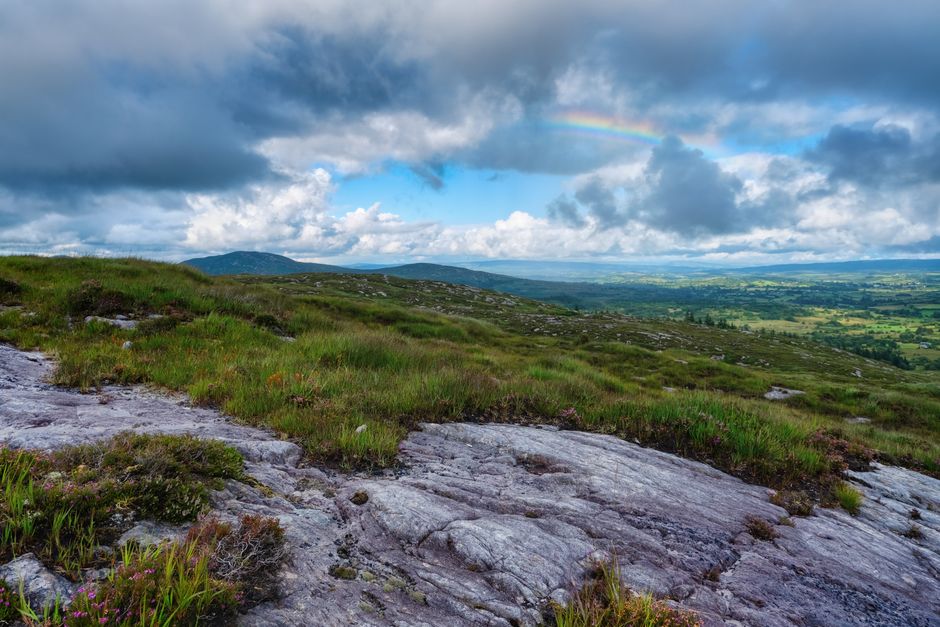
February in Ireland is a layering problem, not a snow problem. Inland winter daytime temperatures often sit around 8°C, but wind and rain can make that feel much colder. Coastal weather changes quickly. A dry morning can become a wet afternoon before you reach the next town.
Bring waterproof outerwear, shoes with real grip, warm socks, and a small bag that keeps your phone dry. A cotton hoodie under a rain jacket is a poor system; it absorbs water and stays cold. Use a warm mid-layer that dries quickly. Carry gloves even if the forecast looks mild.
Use daylight properly
Put outdoor sites in the middle of the day. Use early morning and late afternoon for museums, cafés, churches, and transport. Do not plan a long exposed walk after sunset simply because the map makes it look short. Wet paths around wells and open grassland become slippery, and rural transport is less forgiving than Dublin’s city network.
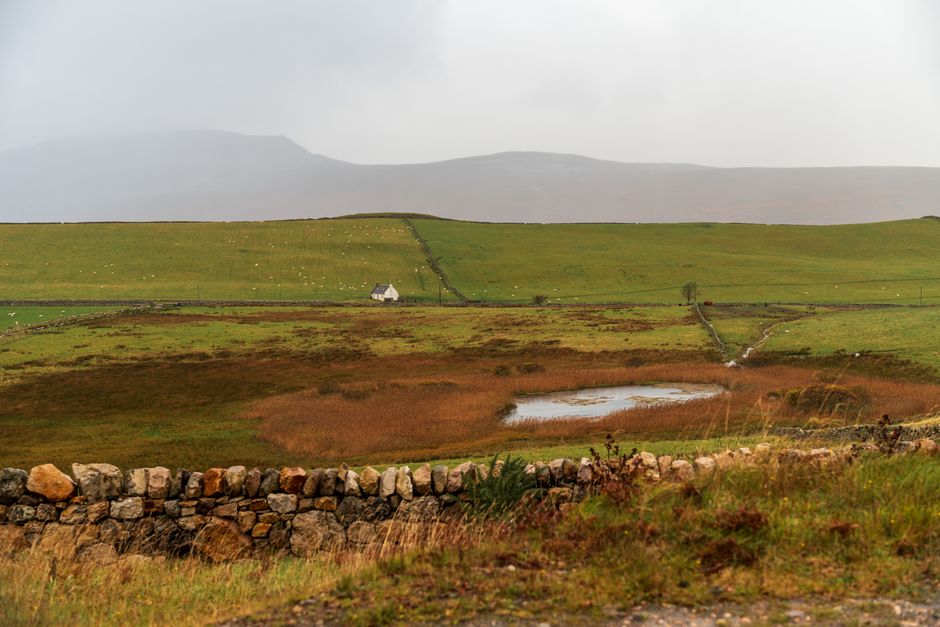
Check Met Éireann shortly before leaving each morning, not only when you book the trip. Its climate guidance describes Ireland as having mild winters shaped by the Atlantic, which means conditions change faster than a single monthly average suggests. February works when your itinerary has room to move.
Which mistakes ruin a late-winter Ireland trip?
Do I need to visit Kildare on 1 February?
No. You need Kildare if Brigid is the point of the journey. You do not need to force the visit onto one date, especially when 1 February or the bank holiday falls on a Sunday or Monday. A weekday immediately before or after can give you better access to Solas Bhride and local services.
Should I drive across the whole island?
No. A four-day February trip should not include Dublin, Kildare, Galway, Cork, the Cliffs of Moher, and Northern Ireland. That is a motorway checklist, not a trip. Choose one regional story and stay long enough to notice it.
Other avoidable errors are simple:
- Assuming every church, tower, and heritage centre keeps summer hours.
- Booking a remote cottage without checking winter transport or heating arrangements.
- Scheduling an exposed walk immediately after landing from a long flight.
- Treating the bank holiday as a major festival across the entire country.
- Skipping indoor culture because you came for scenery.
The last mistake costs the most. February scenery can be excellent, but rain is not a personal insult. If you build a trip that only works under blue skies, the weather controls your holiday.
Is February worth it for an Ireland trip?
Choose February for culture and quieter roads
February is the right month for travellers who want local tradition, museums, short walks, and a slower pace. Kildare feels more meaningful when you are not competing with a coach party for every viewpoint. Dublin’s museums give you a strong rainy-day base, and St Brigid’s Day adds a seasonal reason to visit instead of another generic sightseeing weekend.
Choose another month for long outdoor days
Pick late spring or summer if your priority is hiking, remote beaches, long drives, and guaranteed access to seasonal attractions. February gives you atmosphere and flexibility only if you accept that some places will close early or shut for the day.
My verdict is simple: February is the best month for a Brigid-focused heritage trip, not for a scenery-only road trip. Stay near Dublin or Kildare, protect the outdoor plans with indoor backups, and treat the public holiday as a date to manage rather than a festival that will organise the trip for you.
| If you want | Choose | Reason |
|---|---|---|
| St Brigid’s history and local tradition | February | Kildare’s sites and seasonal meaning are the main event |
| Quiet museums and flexible city days | February | Dublin works well when rain cancels outdoor plans |
| Long hikes and coastal drives | Late spring or summer | More daylight and more reliable access to seasonal sites |