 Thomas Lucas
 The short answer: yes, but only if you treat it like a logistics operation, not a vacation. I’ve run the numbers on a 10-day trip for a family of four in 2026. Expect to spend $2,800–$4,500 all-in depending on lodging choices. The people who regret these trips aren’t the ones who spent too much. They’re the ones who drove six hours a day and expected a toddler to care about Old Faithful.
This is not financial advice. But if you’re asking whether the cost and chaos are worth it, here’s the honest math.
The Real Cost of a 2026 National Parks Road Trip With Kids
Most budget guides quote gas and park entry fees and call it a day. That’s useless. The real costs are lodging, food waste, and the impulse buys you make when a kid melts down at a visitor center gift shop.
| Expense Category | Frugal Option | Comfortable Option | Notes |
|---|---|---|---|
| Park entry | $80 (America the Beautiful Pass) | $80 | Covers all parks for 12 months. Buy it at the first gate. |
| Lodging (10 nights) | $600–$900 (camping, $30–$60/night) | $1,800–$2,800 (lodges, $180–$280/night) | In-park lodges book 12–13 months ahead for 2026. |
| Gas (2,500 miles) | $350–$450 | $350–$450 | Assume 25 mpg at $3.50–$4.50/gal. |
| Food | $700 (groceries + cooler) | $1,200+ (restaurants) | Kids waste 30–40% of restaurant meals. |
| Gear (one-time) | $200–$400 | $500–$800 | Carrier, hiking boots, rain layers. |
| Misc/emergency | $200 | $400 | Medicine, laundry, a night in a motel when camping fails. |
Bottom line: Budget $3,000 minimum for a real trip. If you’re under that, you’re cutting into sleep or safety. The $80 pass is the only bargain in the whole system.
Pick Parks That Tolerate Toddlers, Not Ones That Test Them
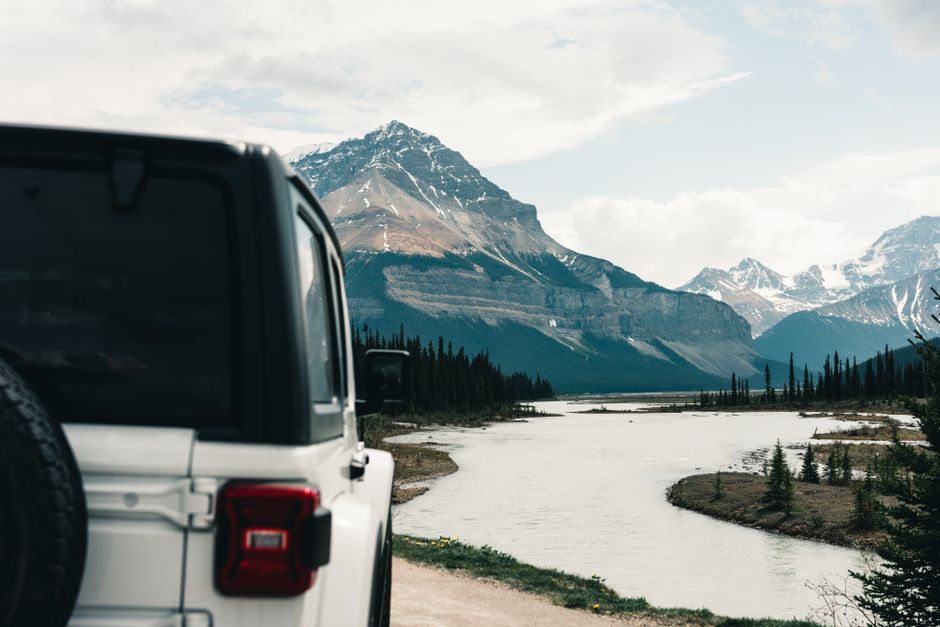
Here’s the mistake I see constantly: parents pick parks based on their own bucket list. Yosemite’s Mist Trail? Bad choice with a 4-year-old. Yellowstone’s boardwalks? Surprisingly great. The difference is infrastructure and pacing.
For 2026, these are the three parks I’d actually recommend for kids under 8:
- Yellowstone National Park — Boardwalks around geysers keep kids contained. Old Faithful erupts on a schedule, which means no waiting. Bison jams are free entertainment. Downside: it’s massive. Stay in one quadrant per day.
- Grand Canyon National Park (South Rim) — Paved rim trail. Shuttle buses. Fenced overlooks at the main viewpoints. You can push a stroller for miles. Do not hike below the rim with young kids.
- Great Smoky Mountains National Park — Free entry. Cades Cove loop road lets kids spot deer and bears from the car. Shorter, shaded hikes. Better for a first trip than the western parks.
Skip the Instagram-famous hikes. A kid who hates the trail at mile one will hate it more at mile three with no exit.
The 2-Hour Driving Rule Is Non-Negotiable
This is the single best piece of advice I can give you. Do not plan more than two hours of driving between lodging and your main activity. Ever. With young kids, a four-hour drive means a 90-minute meltdown, a 30-minute bathroom stop, and a kid who’s done for the day before you arrive.
That means you need to rethink your route. A loop through five parks in seven days is a failure plan. Pick one park cluster and stay put. For 2026, a realistic itinerary is Grand Canyon + Petrified Forest + Sedona in 7 days. Or Yellowstone + Grand Teton in 8–10 days. Not all five Utah parks in a week.
Kids don’t remember windshield time. They remember the hour they threw rocks into a river.
What Actually Goes Wrong (And How to Preempt It)
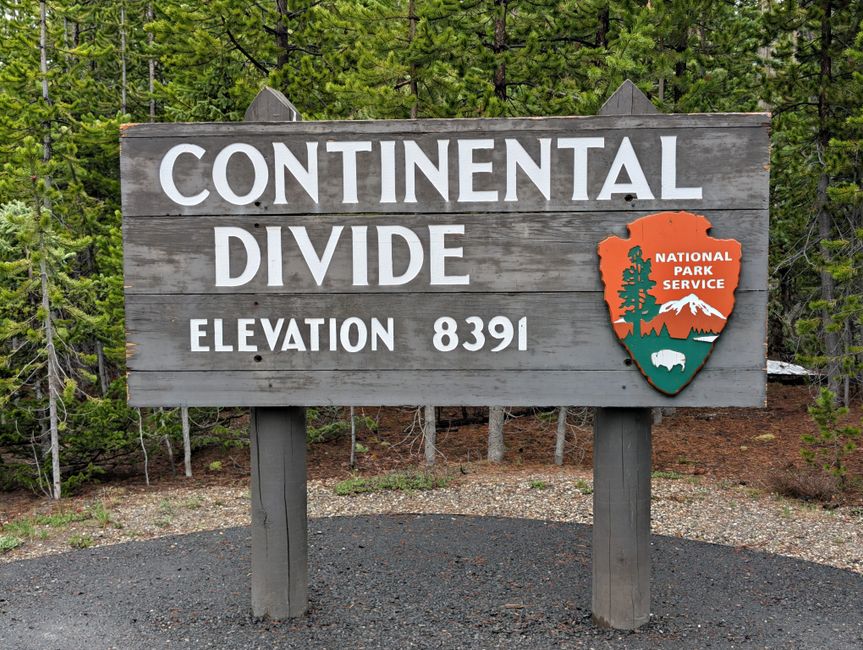
Let me be blunt about the failure modes. These are the things that end trips early.
Failure 1: Booking lodging outside the park to save money. You’ll save $80 a night and spend two hours a day driving in and out. That’s a bad trade. In-park lodging at Yellowstone (like the Old Faithful Inn or Mammoth Hot Springs Hotel) costs more but buys you mornings before the crowds. Book through the official concessioner, not third-party sites that mark up 20–30%.
Failure 2: No rest day. Day 4 of consecutive hiking and driving is when kids collapse. Schedule a zero-activity day. A lodge pool, a visitor center movie, a picnic. You’re not wasting time. You’re preventing a blowup.
Failure 3: Underestimating altitude and sun. Even at Grand Canyon’s South Rim (7,000 feet), kids get dehydrated faster than you think. Bring electrolyte packets. A kid’s water bottle is not enough.
When You Should NOT Do This Trip
Don’t do a national parks road trip in 2026 if your youngest is under 3 and you’re the only adult who drives. Don’t do it if your idea of a good trip requires hot showers daily and you refuse to camp. Don’t do it if your budget is under $2,500 for a family of four — you’ll cut corners that make everyone miserable.
The alternative that works better for some families: pick one park, fly into the nearest city, rent a cabin for a week. No multi-day driving. No repacking the car every two days. A week at a single park like Acadia or Shenandoah costs less and delivers more than a five-park sprint.
This is not financial advice, but it is logistics advice: the cheapest trip is the one you don’t abandon halfway through.
Gear That Earns Its Space in the Car
You don’t need a rooftop tent or a $400 hiking carrier. But three items are worth it.
First, a Deuter Kid Comfort Active carrier ($250–$300). Yes, it’s expensive. But it’s the difference between a 2-mile hike and a 5-mile hike when your 4-year-old’s legs give out. Rent one if you can — REI and local outfitters rent carriers for $15–$25 a day.
Second, a YETI Roadie 24 cooler ($250). Cheaper coolers work. But this one keeps food cold for 3–4 days, which means you can buy groceries once and skip the $12 park hot dogs. Over 10 days, that’s $150–$200 saved.
Third, a Garmin inReach Mini 2 ($400 plus subscription). Only if you’re going into remote parks like Big Bend or North Cascades. Cell service is nonexistent. For Yellowstone or Grand Canyon, your phone works fine. Don’t buy this for a boardwalk trip.
Skip the hiking boots for kids under 6. Trail runners or even decent sneakers are fine. Save the $60 per kid.
Final Verdict: Do It, But Do It Slower Than You Think
For a family with kids aged 4–10, a national parks road trip in 2026 is worth the cost if you follow three rules. Stay in or near the park. Drive less than two hours per day. Plan one rest day for every three activity days.
If you can’t commit to those three rules, don’t spend the $3,000. Fly to one park, stay in one lodge, and do day trips. You’ll see less and enjoy it more.
The families who love these trips aren’t the ones who saw the most parks. They’re the ones whose kids still talk about the bison jam and the river rocks.