 Thomas Lucas
 Most travelers land in Lisbon, hit Porto, maybe day-trip to Sintra, and fly home. That’s fine. But you’re missing the actual Portugal—the one where lunch costs €8, parking is free, and you can stand in a 12th-century castle completely alone. This list skips the obvious. These are towns and villages I’d send a friend to if they had two weeks and wanted to remember why they travel.
Quick note before the list: rent a car. Public transport exists for some of these, but you’ll waste hours waiting for buses that run twice daily. A small manual like a Fiat Panda from a local agency (not the airport desks) runs about €25-35/day in 2026. Book through a Portuguese broker like AutoEurope Portugal or Luzcar. Don’t rent an EV unless you’ve mapped chargers—rural Alentejo has gaps.
1. Monsanto: The Village Built Into Boulders
Monsanto looks fake. Houses squeeze under granite boulders the size of buses. Some homes have a rock as the kitchen wall. It won “Most Portuguese Village in Portugal” back in 1938, and locals still mention it.
The drive from Lisbon takes about 2.5 hours east toward Castelo Branco. Park at the base lot (free) and walk up. The castle ruins at the top date to the Knights Templar. Go early—by 10am tour buses arrive, and the narrow lanes clog.
Where to Eat
Taverna Lusitana serves a €10 lunch plate with migas (fried bread crumbs with pork) and local cheese. Cash only. The owner, Dona Fernanda, might offer you a shot of medronho (strawberry-tree brandy). Accept it.
Where to Sleep
Casa da Tia Piedade (from €55/night) is a stone house with two rooms and a terrace facing the plain. Book by phone—no online listing. If you want modern comfort, stay in Castelo Branco at the Meliá Castelo Branco (€70/night) and drive up for sunrise.
2. Tavira: The Algarve Without the High-Rises
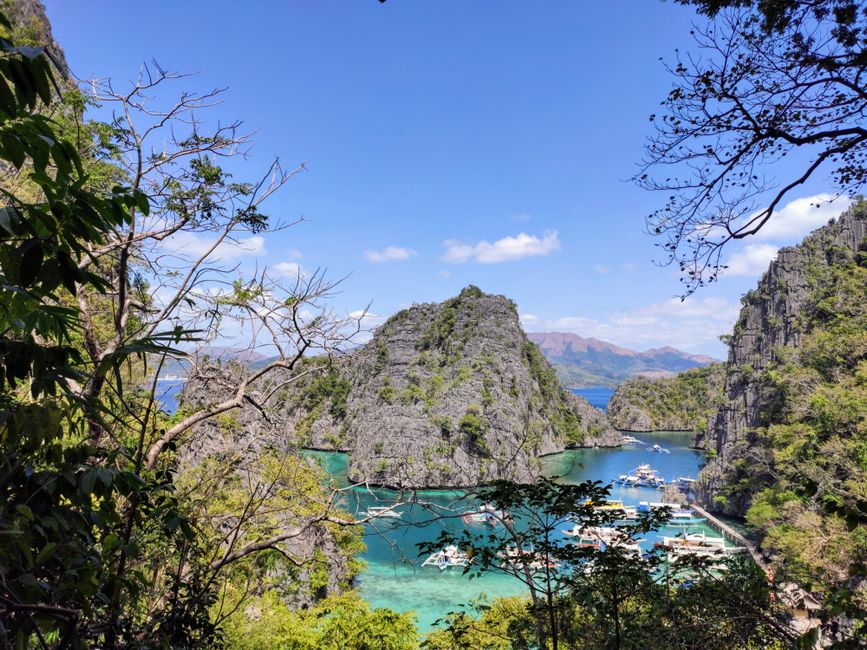
The Algarve’s east side gets ignored by the Albufeira crowd. Tavira sits on the Gilão River, has a Roman bridge, 37 churches, and zero nightclubs. It’s the Algarve for people who hate the Algarve.
Take the ferry from Quatro Águas pier to Ilha de Tavira beach (€2.50 round trip, runs every 30 minutes in summer). The beach stretches 11km. Bring water—there’s one café at the landing point and nothing after.
Practical Details
- Park at the free lot near the train station, walk 15 minutes to the center.
- Eat at O Tonel: grilled dourada (sea bream) with boiled potatoes for €14.
- Stay at Pousada Convento de Tavira (from €120/night)—a 16th-century convent turned hotel. Splurge once.
- Skip July and August. September water is still 21°C and prices drop 30%.
3. Piódão: A Schist Village in the Serra do Açor
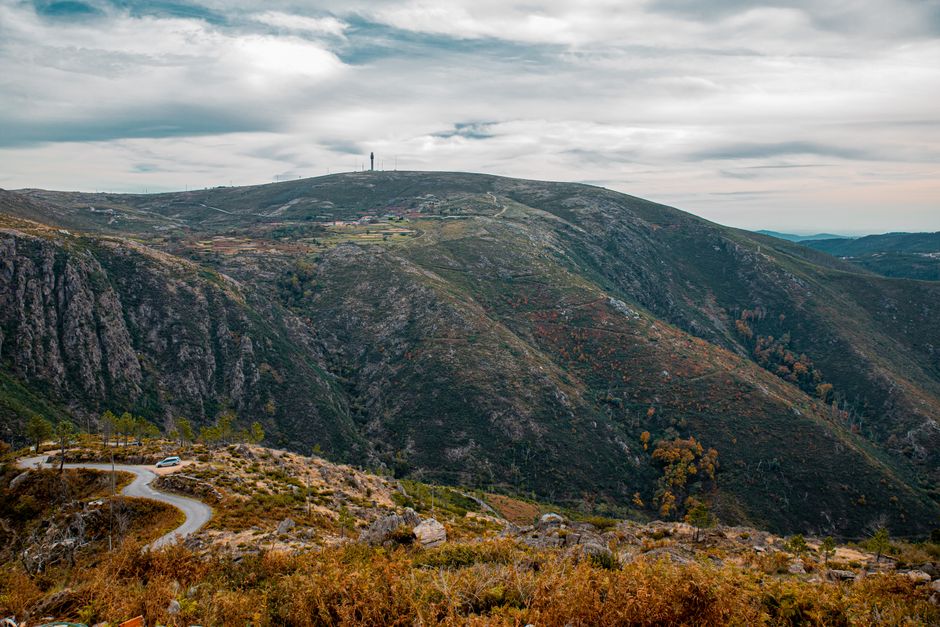
Piodão is remote. From Porto, it’s a 2.5-hour drive through winding mountain roads. From Lisbon, 3 hours. The village is entirely schist—dark stone houses with blue window frames stacked on a hill. At night, the streetlights make it glow like a film set.
This isn’t a day trip. Stay overnight. The drive alone deserves time, and the village empties after 5pm when day-trippers leave.
What to Do
Hike the PR1 AGN trail to Foz d’Égua, a smaller village 4km down the valley. The trail is marked with red and yellow paint. Takes 1.5 hours down, 2 hours back up. Bring poles if you have them.
Stay at Casa do Soito (from €60/night) in the village. The owner leaves a key in a lockbox. No reception. Eat at O Fontinha—the chanfana (goat stewed in red wine) is €12 and worth every cent.
4. Marvão: A Fortress on the Edge of Nothing
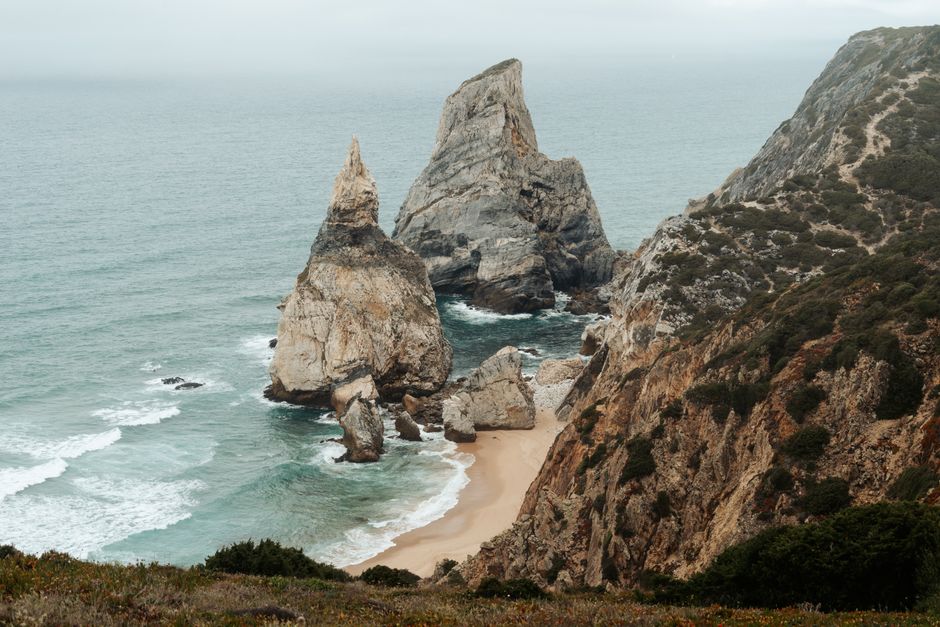
Marvão sits at 860 meters above the Alentejo plain. You can see Spain from the castle walls. The town has fewer than 100 residents inside the walls. It’s the kind of place where a cat crossing the street is the day’s main event.
The castle entry costs €3. Go at sunset. The light hits the plain and the horizon disappears. Bring a jacket—even in July, it’s 10°C cooler up there than down in Portalegre.
When to skip it: foggy winter days. You’ll see nothing. Check the webcam on the Marvão municipality site before driving up.
5. Costa Nova: Striped Houses and Cheap Seafood
Costa Nova is a beach town near Aveiro with striped houses—red, blue, yellow, green—originally painted so fishermen could spot their homes from sea. Now they’re Instagram bait. Fine. The seafood is the real reason to go.
Eat at Mercado do Peixe in nearby Costa Nova market. You pick a fish from the ice counter, they grill it, you pay by weight. A 500g robalo (sea bass) costs about €12. Add boiled potatoes and a glass of vinho verde for €3.
Stay at Hotel Ílhavo Plaza (€65/night) or rent one of the striped houses on the main street. A two-bedroom house in June costs about €120/night through local agency Costa Nova Holidays.
6. Comporta: The Anti-Algarve
Comporta is not hidden—not really. But it’s still under-visited compared to what it offers. Rice fields, pine forests, empty beaches, and one main street with a bakery, a fish market, and a shop selling €200 linen shirts. It’s where Lisbon’s wealthy go to pretend they’re simple.
The beach at Praia do Pego is 3km of sand with one restaurant. Parking costs €5 in summer. Go on a weekday. Weekends bring the Lisbon crowd.
Budget Reality
Comporta is expensive. Lunch at Sal runs €25-30 per person. If you’re on a budget, buy bread, cheese, and presunto at the Mercearia Gomes and picnic on the beach. A full picnic for two costs €15.
Stay at Quinta da Comporta (from €180/night) if you want the full experience. Otherwise, stay in Alcácer do Sal (20 minutes east) at Pousada Castelo de Alcácer do Sal (from €90/night) and drive in.
7. Évora: Roman Ruins Without the Rome Prices
Évora is a UNESCO site with a Roman temple, a chapel made of bones, and a university that’s been running since 1559. It’s not hidden—but it’s underrated as a base. Most people day-trip from Lisbon. Stay overnight and you get the city to yourself.
The Capela dos Ossos (Chapel of Bones) costs €6. The inscription above the door reads: “We bones that are here, await yours.” Go at opening (9am) before the tour buses.
Where to Eat
Taberna Típica Quarta-feira is a 12-seat restaurant. No menu. The owner brings whatever she cooked. Dinner costs €20 per person with wine. Arrive at 7:30pm or wait an hour.
Stay at Casa do Vale Hotel (from €75/night), a 10-minute walk from the center with free parking—rare inside the old walls.
8. Guimarães: Portugal’s Birthplace, Not a Museum
Guimarães is marketed as the birthplace of Portugal. The castle where Afonso Henriques was born (maybe) still stands. But the town itself is alive—students, workers, families. Not a theme park.
The Paço dos Duques (Dukes’ Palace) costs €5. It’s a 15th-century manor with tapestries and furniture. Worth an hour. The real pleasure is walking the old town at night, eating at a tasca, and paying half what you’d pay in Porto.
Eat at Histórico by Papaboa. The bife à Papaboa (steak with mustard sauce, €16) feeds two. Drink at Coconuts, a bar in a 600-year-old building with €2.50 beers.
9. Azenhas do Mar: A Cliff Village Near Sintra
Azenhas do Mar is a white village on a cliff above the Atlantic, 40 minutes from Lisbon. Everyone goes to Sintra. Almost nobody continues 15 minutes west to here.
There’s a natural seawater pool at the base of the cliff. It fills at high tide. Free entry. The water is cold—17°C in August. Go anyway. The restaurant Azenhas do Mar above the pool serves grilled octopus for €18 with a view that would cost triple in Cascais.
Parking is the issue. The main lot holds 20 cars. Arrive before 10am or after 6pm. Or park in Colares and walk 20 minutes down the hill.
10. Ponte de Lima: Portugal’s Oldest Town
Ponte de Lima claims to be Portugal’s oldest town, chartered in 1125. The Roman bridge across the Lima River is still in use. Every second Monday, the town hosts one of Portugal’s largest markets—cattle, produce, textiles, and cheap household goods. It’s chaotic and wonderful.
The town is also the gateway to the Vinho Verde wine region. Visit Quinta do Ameal (tasting €10, book ahead) for a Loureiro that tastes like lime and sea salt. Buy a bottle for €8.
Stay at Paço de Calheiros (from €120/night), a 17th-century manor on a hill overlooking the vineyards. The owner, Francisco, gives tours of the estate and pours his own wine at breakfast.
How to Structure a 10-Day Route
Don’t try to hit all ten. Pick a region and go deep. Here’s a workable loop:
| Day | Location | Drive Time | Stay |
|---|---|---|---|
| 1-2 | Lisbon → Évora | 1.5 hours | Évora |
| 3 | Évora → Marvão | 2 hours | Marvão |
| 4 | Marvão → Monsanto | 1 hour | Monsanto |
| 5 | Monsanto → Piódão | 2.5 hours | Piódão |
| 6 | Piódão → Guimarães | 2.5 hours | Guimarães |
| 7 | Guimarães → Ponte de Lima | 40 minutes | Ponte de Lima |
| 8 | Ponte de Lima → Costa Nova | 1.5 hours | Costa Nova |
| 9 | Costa Nova → Azenhas do Mar | 2.5 hours | Colares or Sintra |
| 10 | Azenhas do Mar → Lisbon airport | 40 minutes | Fly home |
Total driving: about 15 hours over 10 days. That’s manageable. You’ll spend roughly €45/day on fuel in a small diesel. Tolls add another €60 total. Get a Via Verde toll transponder from the rental agency—it’s a small device that beeps as you pass toll gates and bills you automatically. Without it, you’ll queue at every toll plaza.
Common Mistakes That Ruin These Trips
I’ve watched people make the same errors. Here’s what to avoid:
Mistake #1: Trusting Google Maps drive times in the mountains. Add 30% to any route through the Serra da Estrela or Serra do Açor. The roads are narrow, and you’ll get stuck behind a tractor.
Mistake #2: Not carrying cash. Half the tascas and cafés in Monsanto, Piódão, and Marvão don’t take cards. Carry €50 in small notes.
Mistake #3: Visiting in August. Portugal’s interior bakes at 40°C. The coast is packed with Portuguese vacationers. Go in May, June, September, or October. Prices drop, weather holds, and you’ll actually find parking.
Mistake #4: Renting the cheapest car at the airport. Airport rental desks in Lisbon charge 40% more than city locations. Take the metro to Saldanha or Campo Pequeno and pick up a car from a local office. You’ll save €100+ on a 10-day rental.
The single most important takeaway: Pick three of these places, stay at least two nights in each, and resist the urge to add more stops.