 Thomas Lucas
 Ghent in winter is colder, darker, and far quieter than the city you see in summer photos. That tradeoff works in your favor if you plan around daylight, rain, and the opening hours of the main medieval sights.
Is Ghent worth visiting in winter?
Why the quiet season works
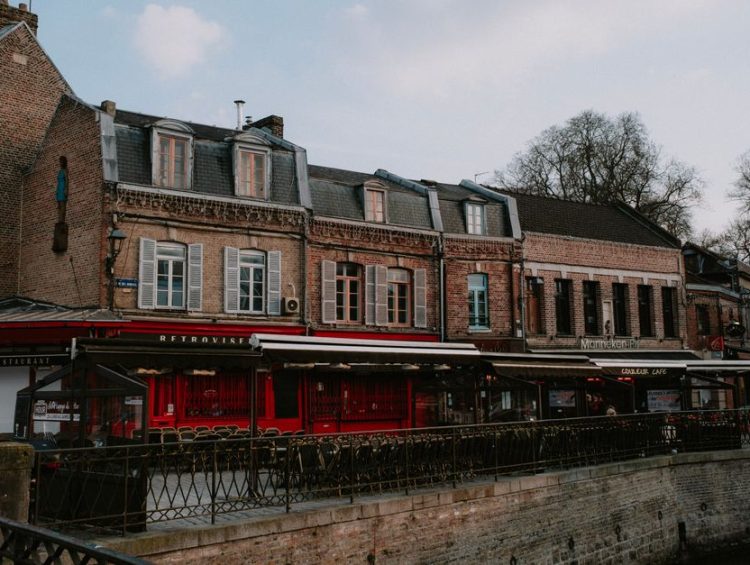
Yes. Ghent in winter is worth visiting for travellers who value atmosphere over long daylight hours. The Graslei and Korenlei waterfront has more room for slow walks, the narrow lanes around Patershol feel less like a group-tour route, and café tables turn into warm observation posts when rain moves across the canals.
The city also works well as a compact break. Ghent-Saint-Pieters station connects with the historic centre by tram, and most major sights sit within a walkable area of roughly 2 kilometers. You can see the medieval core without spending each day on transport.
Who should skip the winter visit
Winter is a poor match for visitors who want long evenings outdoors, terrace dining, or a relaxed canal cruise. Around the December solstice, useful daylight runs from roughly 8:30 a.m. to 4:40 p.m., and wind can make temperatures near 5°C feel much colder. January and February also bring a higher chance of wet pavement and short showers.
My clear verdict: choose Ghent in winter if you like museums, architecture, food, and moody city walks. Choose late spring or early autumn if outdoor sightseeing matters more than crowd control.
What is the best one-day winter itinerary in Ghent?
A daylight-first schedule
| Time | Plan | Reason |
|---|---|---|
| 8:30-10:00 | Walk Graslei, Korenlei, Saint Michael’s Bridge, and the old harbor | Lowest crowd levels and best daylight for photographs |
| 10:00-12:00 | Visit Gravensteen | Move indoors before the busiest midday period |
| 12:00-13:30 | Lunch around Patershol or Vrijdagmarkt | Warm up and avoid rushing between sights |
| 13:30-15:30 | See Saint Bavo’s Cathedral and the Ghent Belfry | Use the remaining strong daylight for central landmarks |
| 15:30 onward | Café stop, museum, or evening walk through the illuminated centre | Keep the weather-sensitive activities flexible |
The winning order
Start at the water, then choose one major indoor attraction before lunch. This order gives you the clearest canal views while the stone façades still have natural light, then protects the middle of the day from rain. Gravensteen, Saint Bavo’s Cathedral, and the Belfry each deserve time, but forcing all three into a rushed morning makes the city feel like a checklist.
Book or check entry details before leaving your room, especially during school holidays and the December festive period. Winter reduces crowds; it does not remove them completely.
Which medieval sights deserve your limited winter daylight?
Graslei, Korenlei, and Saint Michael’s Bridge
This is the strongest free section of the city. Walk the two riverbanks, cross Saint Michael’s Bridge, and look back toward the stepped façades. Allow 30 to 45 minutes without stops, or longer if the water is calm and the light is good. The view changes quickly as clouds pass over the canal, so winter can produce better contrast than a flat summer sky.
Gravensteen is the best cold-weather anchor
Gravensteen, the medieval Castle of the Counts, gives you a focused indoor visit with heavy stone rooms, defensive walls, and views over the rooftops. Allow 90 minutes. Wear shoes with firm soles because parts of the route use uneven stone steps and narrow passages. The castle is the clearest choice when rain is steady because it still feels connected to the city rather than like a generic indoor attraction.
Saint Bavo’s Cathedral and the Belfry
Saint Bavo’s Cathedral suits visitors interested in art and religious history, while the Belfry offers the wider city view. Do not treat the tower as an automatic winter priority: high wind, low cloud, or wet steps can reduce the reward. My order is simple. Pick Saint Bavo’s Cathedral in poor weather, and add the Belfry when visibility is clear. The cathedral and tower are close enough to combine, but each needs a separate time block.
How should you handle rain, cold, and early darkness?
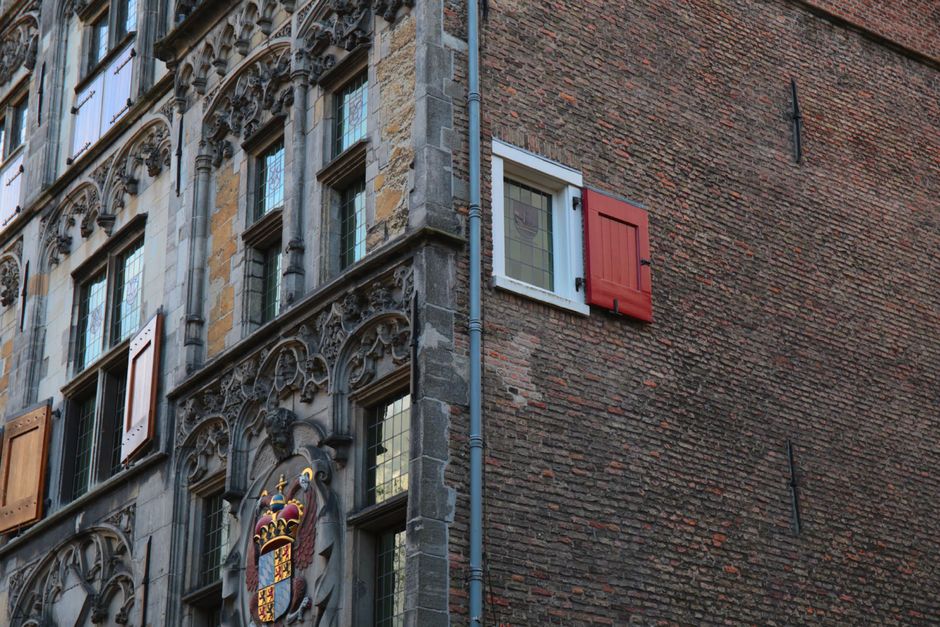
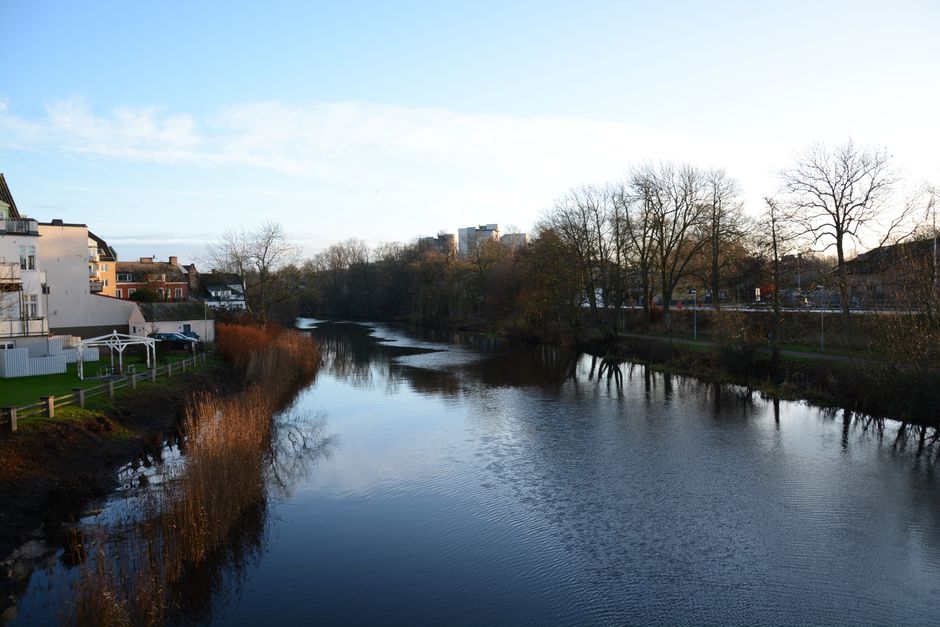
The practical winter playbook
- Dress for standing still, not only walking. A waterproof outer layer, warm socks, gloves, and a hat matter more beside the canal than inside a café.
- Wear shoes with traction. Cobblestones become slick after rain, and the historic centre has uneven surfaces that punish thin soles.
- Keep one indoor backup within 10 minutes of your route. STAM, the Ghent City Museum, is a useful option when the forecast turns against an outdoor plan.
- Carry a small power bank. Cold weather drains phone batteries faster, and navigation is useful when several lanes look alike.
- Plan the best views before 3:30 p.m. in December and early January. After that, street lighting creates atmosphere, but it will not help with architectural detail.
What usually goes wrong
The common mistake is packing a summer city-break schedule into a winter day. Visitors cross the city repeatedly, lose daylight on transport, and arrive at the main sights tired and wet. A second mistake is assuming every café offers a large indoor table at peak lunch time. Popular rooms fill quickly, especially on Saturdays.
Use the weather as a routing tool. Dry morning means canals first. Heavy rain means cathedral, castle, museum, and a long lunch. That small change keeps the day enjoyable without pretending the forecast will cooperate.
Which Ghent cafés are worth building into a winter walk?
My strongest café recommendation
Choose cafés for location and character, not for a famous name alone. Mokabon is a classic central coffee stop for a short break, while Café ‘t Dreupelkot is known for its wide selection of jenever and works better as an atmospheric evening stop. Het Waterhuis aan de Bierkant suits visitors who want a canal-side beer setting, but its appeal depends on finding a comfortable table during busy hours.
A realistic winter budget is about €3 to €5 for coffee, €6 to €12 for a simple lunch item, and €4 to €8 for a local beer, though menus and serving sizes change. Those figures are planning ranges, not fixed promises. Prices vary by venue, date, and what you order.
The best café strategy
Use one café as a deliberate warm-up stop rather than trying to turn every street into a food hunt. Walk the waterfront, visit one sight, then sit down for 30 minutes. This pace lets you watch the city change from morning commuters to evening lights.
For a quieter meal, move one or two streets away from the busiest Graslei frontage. Patershol offers more choice than the postcard strip, while Vrijdagmarkt has a livelier setting. My verdict: Mokabon wins for a quick daytime coffee, Café ‘t Dreupelkot wins for a distinctive evening stop, and Patershol wins when food matters more than the view.
What do travellers usually ask about Ghent in winter?
Is Ghent too cold for walking?
Usually not. Daytime temperatures often sit around 3°C to 8°C, with colder mornings and damp wind near the water. The issue is exposure, not extreme cold. Break a two-hour walk into shorter sections and use cafés, churches, museums, and shops as warm intervals.
Can you still enjoy the canals after dark?
Yes, but the experience changes. You lose architectural detail and gain illuminated façades reflected in the water. Walk the Graslei and Korenlei after dinner, then cross Saint Michael’s Bridge for the classic night view. Keep the route central and avoid making the canal walk your only evening plan.
Is December better than January or February?
December has the strongest festive atmosphere and the most decorative lighting, but it can bring more weekend visitors. January and February are quieter and often better for travellers focused on museums and architecture. My pick for the fewest crowds is a weekday in late January or February, with a flexible indoor plan.
What are the biggest winter mistakes in Ghent?
Three mistakes to avoid
- Trying to climb the Belfry in heavy rain or low cloud simply because it was on the original itinerary.
- Arriving at the historic centre after noon and expecting empty waterfront views.
- Booking a tightly timed canal activity without checking seasonal availability and weather conditions.
Do not confuse a quiet season with guaranteed access. Winter schedules can be shorter, special events can change crowd patterns, and some tours depend on conditions. Check official opening information close to the trip, then keep one flexible hour in the afternoon.
The final verdict
Ghent in winter is the right choice for a traveller who wants medieval architecture, canals, cafés, and fewer people in the frame. Start early at Graslei and Korenlei, place Gravensteen or Saint Bavo’s Cathedral before the weather worsens, and save a café or museum for the dark hours.
If you add travel insurance to the wider trip, compare exclusions instead of trusting a logo. AM Best ratings focus on an insurer’s financial strength, while J.D. Power scores measure parts of the customer experience; neither guarantees that a claim will be paid. Premiums vary by state and individual factors, and coverage limits differ by policy. With that practical caution in place, the opening scene resolves exactly as promised: cold air over the canal, warm light from a café, and a medieval city that finally feels quiet enough to hear itself.