 Thomas Lucas
 What actually slows you down at Narita or Haneda? Not the plane. Not the jet bridge. It’s almost always one of three things: a missing QR code, the wrong train ticket, or standing in the wrong line. This guide fixes all three before you land.
I’ve flown into both Tokyo airports multiple times, most recently in early 2026. The process has changed enough that old advice about paper forms and Suica cards now wastes time instead of saving it. Here’s what works right now.
Haneda vs Narita: Pick the Airport That Doesn’t Add 90 Minutes to Your Trip
Haneda (HND) sits 20 kilometers from central Tokyo. Narita (NRT) sits 70 kilometers out in Chiba Prefecture. That distance gap translates directly to time and money, and it should shape your flight search before you book anything else.
The fastest train from Haneda to Shinagawa Station takes 13 minutes on the Keikyu Line and costs ¥330. From Narita, the fastest option is the Keisei Skyliner at 36 minutes to Nippori Station for ¥2,570. More than twice the time, nearly eight times the cost. If you land at Narita and your hotel is in Shinjuku or Shibuya, expect 90 minutes door-to-door minimum.
That said, Narita often has cheaper long-haul fares, especially from Europe. If you’re flying from Amsterdam, Paris, or Frankfurt, you might save €150-€300 per ticket by choosing Narita. The math works like this: a couple saves maybe €400 round-trip, spends an extra two hours total in transit, and pays about ¥3,000 more per person in train fares. For most people, that tradeoff is acceptable. For a short 5-day trip where every hour counts, Haneda wins.
| Factor | Haneda (HND) | Narita (NRT) |
|---|---|---|
| Distance to Tokyo Station | 20 km | 70 km |
| Fastest train to central Tokyo | 13 min (Keikyu Line, ¥330) | 36 min (Keisei Skyliner, ¥2,570) |
| Typical door-to-door to Shinjuku | 35-45 min | 75-95 min |
| Best for short trips (under 7 days) | Yes | No |
| Best for cheap long-haul fares | Sometimes | Usually |
| Last train to Tokyo | Around 12:00 AM | Around 10:30 PM |
One more thing: if your flight lands at Narita after 9:30 PM, you are in trouble. The last Narita Express departs around 9:44 PM, and the last Skyliner leaves before 11:00 PM. Miss those and you’re paying ¥25,000+ for a taxi or sleeping at the airport. Haneda’s late-night access is far more forgiving.
Visit Japan Web Is Mandatory Now — Here’s the Exact Order to Complete It
Japan eliminated paper disembarkation cards for most travelers. The Visit Japan Web system now handles immigration and customs declarations digitally. If you show up without the QR codes, you’ll be pulled aside to fill out paper forms while everyone else walks past you.
Complete this at home, not on the plane. The site is clunky on mobile, and airport Wi-Fi at Narita can be slow when three flights land simultaneously. You need two separate QR codes: one for immigration and one for customs. Screenshot both. Do not rely on the website loading at the immigration desk.
Here’s the exact order that avoids confusion:
- Create an account at vjw-lp.digital.go.jp using a valid email address
- Register your passport information (the system scans the photo page)
- Add your flight details and intended address in Japan (hotel name and phone number are enough)
- Complete the immigration questions — these mirror the old paper form
- Complete the customs declaration separately
- Screenshot the immigration QR code (blue) and the customs QR code (yellow)
Do not confuse the two codes. The immigration officer scans the blue one first. The customs gate scans the yellow one after baggage claim. Showing the wrong code at the wrong station causes a 30-second awkward pause and a line backup behind you.
Families: each person needs their own QR code, including children. You can register family members under one account, but each traveler gets separate codes.
The Suica Card Mistake That Costs Tourists ¥500 in Their First Hour
Here’s the thing nobody tells you: the Welcome Suica and the regular Suica are not the same card, and the difference matters.
A regular Suica (the green one) costs ¥500 as a deposit, refundable when you return the card. The Welcome Suica (the red one, sold at airport counters) has no deposit but expires after 28 days and does not refund any remaining balance. If you’re staying 30 days or longer, or you plan to return to Japan, get the regular Suica. If you’re on a 10-day trip, the Welcome Suica is fine — just spend the balance before you leave.
Better yet: if you have an iPhone, add a Suica directly to Apple Wallet before you land. Open Wallet, tap the plus sign, select Transit Card, search for Suica, and load ¥2,000-¥3,000 with a credit card. This works on the Keisei Skyliner, JR lines, Tokyo Metro, buses, and even at convenience stores like 7-Eleven and FamilyMart. Android users: only phones bought in Japan have the required FeliCa chip, so you’ll need a physical card.
At Haneda, you can also use the Pasmo Passport card, which is functionally identical to Welcome Suica. At Narita, the JR East Travel Service Center sells both Suica and Welcome Suica, but the line there can be 30-45 minutes long at peak arrival times. If you see a long queue, walk to the ticket machines instead — most have an English button and sell Suica cards directly.
Narita Express vs Keisei Skyliner: Stop Asking Which Is Better
They serve different stations. That’s the entire answer. The Narita Express (N’EX) goes to Tokyo Station, Shinagawa, Shibuya, Shinjuku, and Yokohama without transfers. The Keisei Skyliner goes to Nippori and Ueno only, where you transfer to the JR Yamanote Line or the Tokyo Metro.
If your hotel is in Shinjuku or Shibuya, take the N’EX. Yes, it’s slower to Tokyo Station (53 minutes vs 36), but you avoid dragging luggage through a transfer station during rush hour. Ueno Station’s transfer corridors are long, crowded, and confusing when you’re jet-lagged. The N’EX drops you at Shinjuku Station’s New South Exit, a 10-minute walk from most hotels in Kabukicho or the south side.
If your hotel is near Ueno, Asakusa, or Nippori, the Skyliner is the obvious choice. It’s faster, cheaper, and puts you exactly where you need to be. From Nippori, the Yamanote Line reaches Ueno in 3 minutes and Tokyo Station in 12.
One warning about the N’EX: the round-trip discount ticket (¥5,000 for 14 days) is a good deal only if you return to the same airport. If you fly into Narita and out of Haneda, buy single tickets. The Limousine Bus is the third option, and it’s genuinely better for anyone with two large suitcases or a hotel in Odaiba. It costs around ¥3,200 from Narita to most central Tokyo hotels, takes 75-110 minutes depending on traffic, and drops you at the hotel door. No transfers, no stairs, no platform confusion.
Customs and Baggage: The 20-Minute Rule Nobody Follows
Japan customs is efficient, but only if you cooperate with the system. The single biggest delay I see is travelers who put prohibited items in their luggage and then act surprised at inspection. Japan prohibits meat products, fresh fruit, and certain medications. If you packed a salami sandwich from the plane or a bag of oranges from home, declare them. The customs QR code asks about these items specifically. Answer honestly. If you’re caught with undeclared meat, you face fines starting at ¥100,000.
Medication rules trip up more travelers than food. Stimulants like Adderall are illegal in Japan, even with a prescription. Pseudoephedrine (Sudafed) requires a special import certificate if you bring more than a 10-day supply. Codeine is restricted. If you take any of these, check the Japanese Ministry of Health website before booking your flight.
For everyone else, the process is simple: scan your blue QR code at immigration, get your residence card (if you’re on a tourist visa, this is a sticker in your passport), collect your bags, scan your yellow QR code at customs, and walk out. Total time from plane to curb at Haneda: 25-40 minutes if you have your codes ready. At Narita: 35-50 minutes.
What to Do If Your Flight Lands After the Last Train
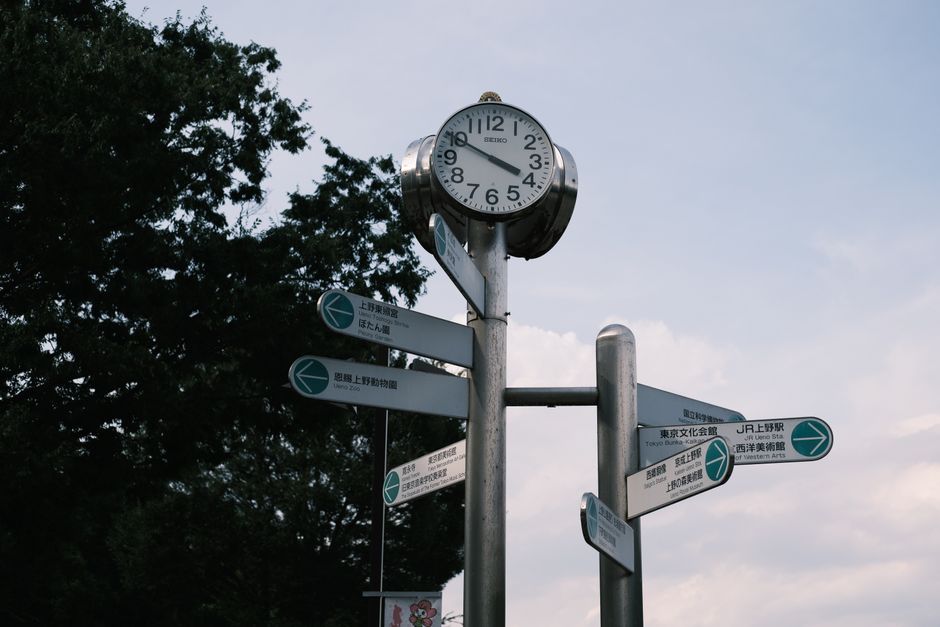
Check the last train time before you book the flight, not after. Narita’s last Skyliner departs at 10:30 PM on most days, and the last N’EX leaves before 10:00 PM. Haneda’s last monorail and Keikyu trains run until just after midnight. If your flight lands at 9:00 PM, you have enough time. If it lands at 10:30 PM at Narita, you don’t.
Your options if you miss the last train:
- Airport hotel: The Nine Hours Narita capsule hotel inside Terminal 2 costs ¥4,000-¥6,000 per night. It’s clean, quiet, and beats sleeping on a bench. Haneda has the First Cabin capsule hotel in Terminal 1, around ¥6,000-¥8,000.
- Shared taxi or private transfer: Klook and GetYourGuide list shared shuttle services from Narita to central Tokyo for ¥8,000-¥12,000 per person. A private taxi costs ¥25,000-¥35,000. Split between 3-4 people, the taxi becomes reasonable.
- Overnight bus: The Access Narita bus runs limited late-night service to Tokyo Station and Ginza for ¥1,500. Check the schedule on the Access Narita website before you fly.
The single most important takeaway: complete Visit Japan Web before you leave home, screenshot both QR codes, and check your arrival time against the last train schedule before you book the flight.