 Thomas Lucas
 The common mistake is to treat spring on the Causeway Coast as a lesser version of summer. It is not. You get longer daylight than winter, fewer large tour groups than July, fresh green cliffs, seabirds, and enough weather changes to make the Atlantic feel properly wild. You also get slippery paths, sudden rain, wind that can ruin a rope-bridge visit, and opening hours that may shift between March and May.
The best spring day links the Giant’s Causeway with Dunluce Castle, then leaves room for one or two coastal stops instead of racing through six attractions. The route below is built for people who want strong scenery, sensible walking distances, and a plan that still works when the sky turns grey.
1. Why spring is the right season for the Causeway Coast
The coast changes faster than the calendar
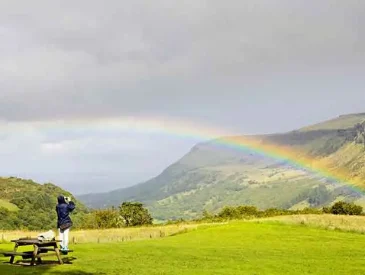
Spring does not arrive evenly along this coast. March can feel like winter on an exposed headland, while May may bring bright evenings and calm water. The first signs of the season often appear in sheltered lanes and gardens before the cliffs look any different. By April and May, the green fields become more vivid, coastal flowers start to show, and seabirds return to the rocky shoreline.
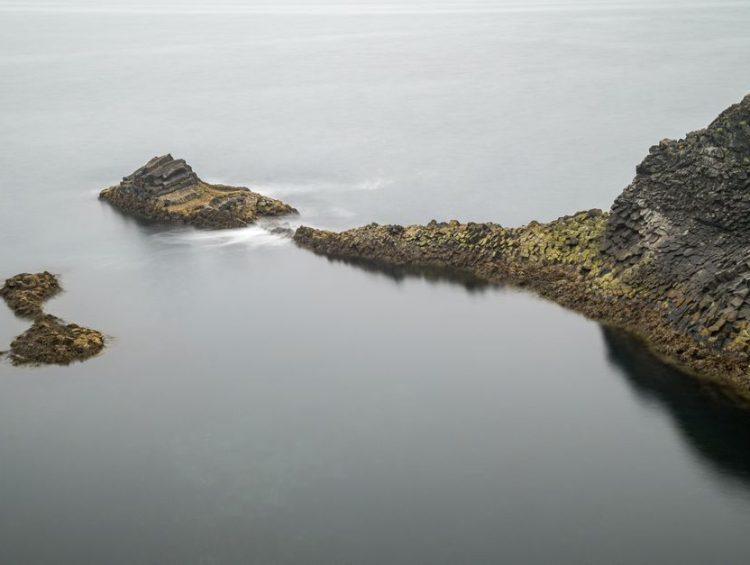
That mix makes spring a strong season for photography and walking. Low sun can pick out the edges of the basalt columns at the Giant’s Causeway, while cloud gives Dunluce Castle more atmosphere than a flat blue sky. The trade-off is simple: spring rewards flexible timing. A clear forecast at breakfast does not guarantee a dry afternoon at Carrick-a-Rede or Ballintoy.
What the weather means for your route
Build your day around shelter and daylight rather than a perfect forecast. Wear shoes with firm grip, carry a waterproof outer layer, and keep one indoor stop available. The visitor centre at the Giant’s Causeway, cafés in Bushmills and the historic rooms at nearby attractions can save a day that would otherwise become a wet march between viewpoints.
Do not confuse the famous stones with a fully managed theme-park attraction. The coastline remains open and exposed. The stones sit beside uneven surfaces, the cliffs have steep edges, and spray can make dark rock slick. The National Trust visitor information lists the current access, parking and ticket arrangements, so check it before setting out.
Spring verdict: choose April or May for the best balance of daylight, greenery and manageable crowds. Choose March only if you are comfortable changing the route around wind and rain.
2. How to plan a one-day Causeway Coast route
Start at the Giant’s Causeway
- Arrive early. Give the Giant’s Causeway at least two hours. The walk from the visitor centre to the stones is short enough for most visitors, but the coastal paths add time quickly. Early arrival also gives you a better chance of finding parking and seeing the columns before the busiest tour groups arrive.
- Choose your access option. You can walk to the stones by the public right of way without buying the Visitor Experience. That does not include the main on-site car park. The current Visitor Experience price begins at £16 for an adult, £8 for a child aged 5–17, and £40 for a family ticket. It includes reserved parking, guided storytelling, audio guides, the exhibition, toilets and café access.
- Use the right trail. The Blue Trail gives the direct approach to the stones. Longer paths add clifftop views but need better footwear and more time. Do not squeeze a long hike into the same morning as several castles.
Continue to Dunluce, then choose one coastal detour
- Drive to Dunluce Castle. Allow roughly 15 minutes from the Giant’s Causeway in normal traffic, then give the castle about an hour. The ruins sit on a rocky promontory, and the view from outside is free, but the paid visit adds the bridge, courtyards and archaeological detail.
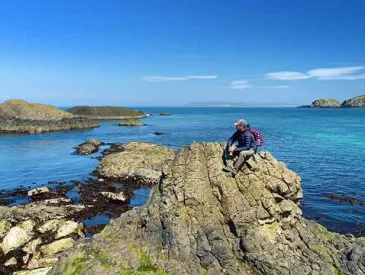
- Pick one extra stop. Choose White Rocks Beach for a broad shoreline, Ballintoy Harbour for a small and rugged harbour, or Carrick-a-Rede for a more active visit. Trying to include all three usually turns the day into a parking exercise.
- Finish in Bushmills or Portrush. This gives you a reliable meal and a warm place to wait out a shower. It also keeps the last drive short if you are staying locally.
This order works because the Giant’s Causeway needs the most walking and parking attention. Dunluce is more compact, so it can absorb a later arrival. If rain is moving in from the west, reverse the order and visit Dunluce first.
3. What to see at each major stop
A practical spring comparison
No single stop gives you the whole character of the coast. The Giant’s Causeway explains the geology and delivers the most recognisable view. Dunluce gives you history and drama without demanding a long hike. Carrick-a-Rede adds height and exposure. The beaches and harbours slow the pace and show why this is a living coast rather than a string of isolated attractions.
| Stop | Best use of time | Typical time | Spring trade-off |
|---|---|---|---|
| Giant’s Causeway | Basalt columns, coastal walking, geology and guided interpretation | 2–3 hours | Most rewarding major stop, but the stones become slippery in rain and the main parking fills early |
| Dunluce Castle | Clifftop photographs, ruins, castle history and views towards the Atlantic | 45–75 minutes | Easy to add to a route, but exposed wind can make the bridge and steps uncomfortable |
| Carrick-a-Rede | Clifftop walking and the famous rope bridge experience | 1.5–2 hours | Best for confident walkers; wind or maintenance can affect access |
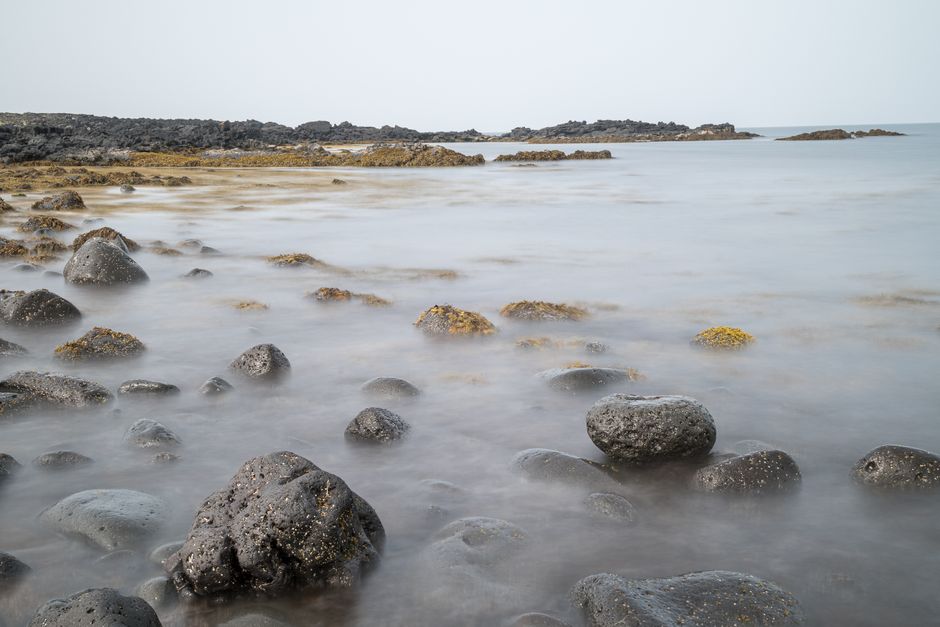
| Ballintoy Harbour | Short shoreline walk, rock pools and a quieter coastal landscape | 30–60 minutes | Excellent free stop, though the access road and rocks need care in poor weather |
| White Rocks Beach | Wide sand, limestone formations and an easy change of pace | 45–90 minutes | Good for a late-afternoon walk, but exposed sand offers little shelter |
What deserves priority
For a first visit, rank the Giant’s Causeway and Dunluce Castle above the rest. They give you the strongest contrast: one is a natural formation shaped by ancient volcanic activity, the other is a human ruin shaped by conflict, weather and abandonment. Add Carrick-a-Rede only if the bridge is a genuine interest, not because every itinerary lists it.
For repeat visitors, Ballintoy and White Rocks often deliver more peace. The smaller stops also make better choices when the main sites feel crowded or when the weather leaves only a short walking window. Check current access before visiting the rope bridge, and use the official Department for Communities information for Dunluce Castle when planning around opening hours.
5. Which version of the Causeway Coast is best for your trip?
For first-time visitors: choose the classic pair
My pick for a first spring visit is the Giant’s Causeway plus Dunluce Castle. The combination covers the coast’s two strongest ideas: extraordinary geology and layered human history. Start early at the stones, eat in Bushmills, visit Dunluce in the afternoon, then choose one short beach or harbour stop if the weather holds.
This plan also works for families and mixed-energy groups. People who want a longer walk can use the coastal trails, while anyone who prefers a shorter outing can stay near the main visitor areas. The itinerary has enough structure to feel efficient without turning every hour into a deadline.
For walkers: trade attractions for coastline
Walkers should spend less time collecting entrances and more time linking sections of the coast. The Causeway Coast Way covers a long stretch between Ballycastle and Portstewart, with the Giant’s Causeway and Dunluce Castle among its major landmarks. A full route needs planning, transport and attention to weather. For a day visit, choose one section and arrange a return journey rather than improvising from a distant village.
For quiet-seeking visitors: skip the busiest middle of the day
Visitors who dislike crowds should arrive at the Giant’s Causeway near opening time or later in the afternoon, then use the middle of the day for Ballintoy, White Rocks or a town stop. Do not skip the headline site entirely just to avoid people; shift the hours instead. The coast feels calmer once the large buses move on.
Use this final comparison when choosing your route:
| Your priority | Best plan | Why |
|---|---|---|
| First visit | Giant’s Causeway and Dunluce Castle | Strongest mix of geology, history and manageable walking |
| Photography | Early Causeway, Dunluce, late White Rocks | Changing spring light and varied coastal textures |
| Active day | Causeway trails and Carrick-a-Rede | More clifftop walking and exposure to the Atlantic |
| Quiet day | Ballintoy Harbour, Dunluce and Bushmills | Fewer major-site bottlenecks and a slower pace |