
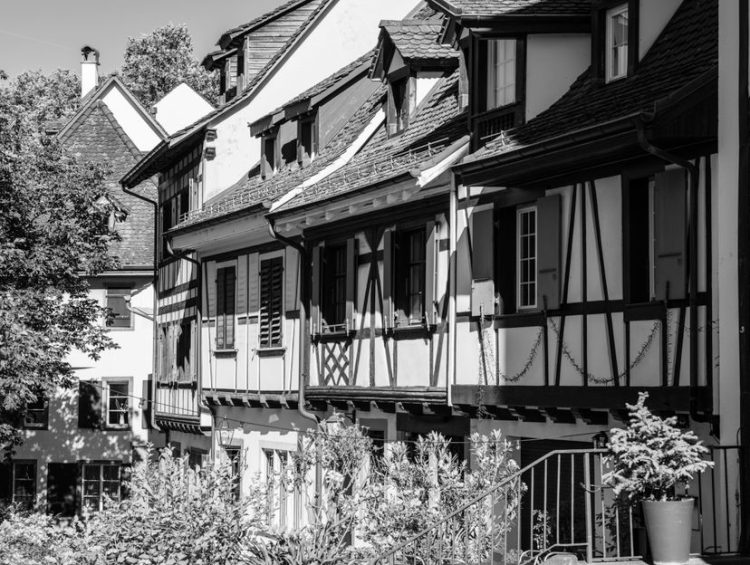
 Thomas Lucas
 Why Alsace in Spring Works for a First Visit
The misconception that causes poor planning
The common misconception is that Alsace in spring means warm, settled weather and fully open vineyard villages; picture arriving in Colmar after booking a light jacket, then finding cold rain, reduced Sunday transport and a winery that accepts visitors only by appointment. Spring works far better when you treat the region as three different trips in one: Strasbourg for urban culture, Colmar for compact sightseeing and the wine villages for slower, weather-sensitive days.
The verdict for a first-time visitor
Choose late April or May, base yourself in Strasbourg or Colmar, and keep one flexible day for the villages. You get longer daylight than in March, green vineyard slopes, Easter and spring events in the towns, and fewer crowds than the main summer period, but you still need a warm layer and a rain plan. The strongest route is Strasbourg first, Colmar in the middle, then two or three villages rather than trying to cover the entire wine road. That order reduces backtracking and gives you a practical escape to museums, restaurants or trains when the weather turns.
Which Spring Month Fits Your Alsace Trip?
Use the month to choose the trip style
There is no single spring experience. March favors low prices and quiet streets, April brings the clearest seasonal atmosphere, and May gives the best balance of daylight and outdoor time. The table below is a planning guide, not a promise: festival dates, opening hours and fares change each year.
| Month | Best for | Main advantage | Main drawback | Recommended use |
|---|---|---|---|---|
| March | Museums and food | Quieter old towns and easier restaurant reservations | Cooler weather, shorter daylight and more closed village businesses | Three nights in Strasbourg or Colmar with one village day |
| April | Classic spring atmosphere | Easter markets, flowers and greener streets | School-holiday demand and changeable rain | Four to six days split between both cities and villages |
| May | Walking and vineyards | Longer days, greener hills and more outdoor seating | Higher weekend demand and occasional storms | Six days with two flexible village or hiking days |
The clear choice
For most first visits, late April through May is the strongest window. March is the right choice only when quiet museums and lower demand matter more than vineyard walks. Book around public holidays and major Easter events, then keep at least one weekday free for the wine villages.
How to Divide Six Days Between Strasbourg, Colmar and the Villages
Strasbourg earns two nights
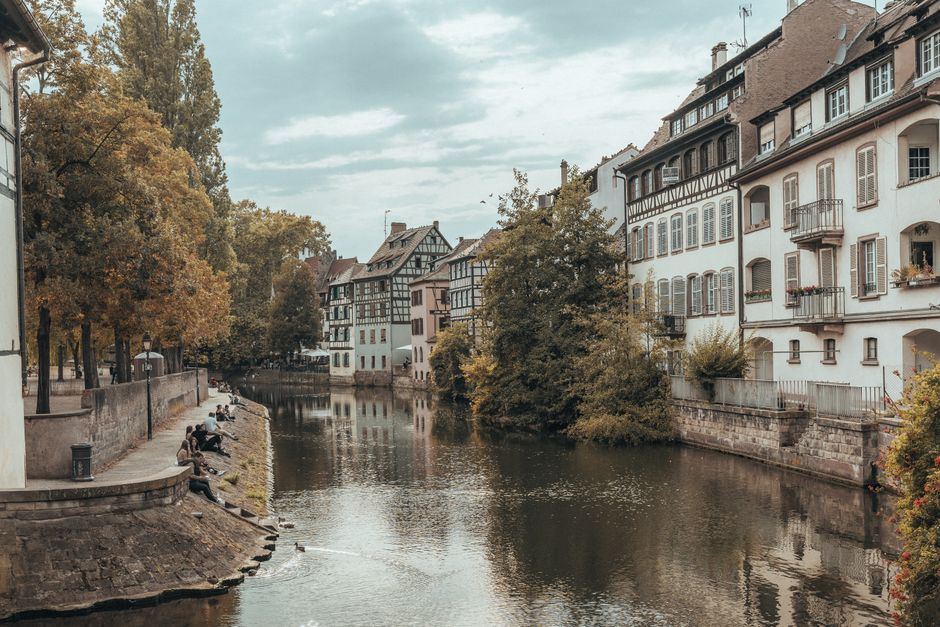
Start in Strasbourg because the city gives you the most reliable rainy-day options. Spend one day in the historic centre around the cathedral, Petite France and the covered bridges. Use the second day for a slower mix of the European Quarter, a museum and a long meal. The city is large enough to absorb a weather change without wasting travel time, and its tram network makes it easier to move beyond the central streets.
Do not treat Strasbourg as a quick photo stop. The cathedral area can feel crowded at midday, while the quieter streets near the Ill River become more enjoyable in the early morning. A practical visit starts before 9 a.m., pauses for lunch, then returns to the centre after day-trippers leave.
Colmar earns two or three nights
Colmar works as the base for the southern wine villages because its old town is walkable and its station connects directly with Strasbourg. See Little Venice and the covered market early, then use the afternoon for the Unterlinden Museum or a canal-side walk. The city looks compact on a map, but cobblestones, stops for food and museum visits easily fill a full day.
Reserve the remaining days for Riquewihr, Kaysersberg and Eguisheim, but do not force all three into one rushed circuit. Riquewihr is the strongest choice for preserved architecture, Kaysersberg for a walkable historic centre and valley views, and Eguisheim for a compact circular village plan. My verdict is simple: two villages done well beat four villages seen from a bus window.
Five Mistakes That Make an Alsace Spring Trip Harder
Fix these before you leave
- Using a summer packing list. Bring waterproof shoes, a warm mid-layer, a compact rain shell and clothing that dries quickly. Cobblestones stay slippery after showers.
- Assuming every village is open every day. Check winery tasting hours, museum closures and local bus schedules before leaving Colmar. Sunday and Monday can remove several options at once.
- Booking a village day without a weather backup. Keep a museum, food market or city neighbourhood ready. A wet vineyard walk is not automatically a memorable one.
- Driving after a full tasting schedule. Wine villages reward slow visits, and tastings can make the return journey unsafe. Use public transport, a designated driver or a small-group tour.
- Trying to sleep in a different town every night. Frequent changes add check-in time and make short rail connections feel stressful. Two bases cover the core route with less friction.
When not to choose the wine villages as your base
Do not stay in a small village if you arrive late, dislike driving or want restaurants and indoor attractions within walking distance. A village base is charming but can become inconvenient after the last bus, especially in March. Strasbourg is the better base for a short trip, while Colmar is the better base for a six-day route that includes several villages.
How to Travel Between Strasbourg, Colmar and the Wine Villages
The best value is rail plus short local connections
My recommendation is to use Strasbourg and Colmar as rail bases, then add one local connection for each village day. The Strasbourg–Colmar route covers about 66 kilometers, takes roughly 26 to 32 minutes on the fastest or average direct services, and SNCF Connect lists selected one-way fares from €6 when seats are available. Fares change by date, train and booking conditions, so treat €6 as a starting fare rather than a trip budget.
Use SNCF Connect to check the actual departure you need, then confirm the final timetable before leaving. TER Fluo Grand Est is the regional rail service to look for on the booking screen. Rail is the clear winner between Strasbourg and Colmar because it is faster than a road transfer, avoids parking and leaves you free to enjoy an evening tasting.
Where city transport saves money
In Strasbourg, the CTS network covers buses, trams and coaches across the Eurometropolis. The official CTS 24H SOLO ticket starts at €4.60 for one person and gives unlimited travel for 24 hours after first validation; the 72H SOLO option starts at €10.20. A single ticket starts at €1.90, so the 24-hour ticket becomes the better buy once you expect three or more rides. Check the CTS ticket conditions before purchase because coverage and validation rules matter.
For the villages, compare the train to Sélestat or Colmar with the available local coach, and check the final return before committing to lunch or a tasting. A rental car becomes worthwhile only when your group wants several small villages in one day or you are staying outside the main transport corridor. It is not the automatic upgrade: parking, fuel, narrow streets and alcohol make the car a poor choice for a tasting-focused day.
Questions to Settle Before Booking Alsace in Spring
Is Colmar or Strasbourg the better base?
Choose Strasbourg for a two- or three-night city break, especially when museums, restaurants and reliable evening transport matter most. Choose Colmar for four or more nights when the wine villages are central to the plan. For six days, split the stay between them if changing hotels will not create extra stress; otherwise, stay in Colmar and take one direct rail day to Strasbourg.
Can you visit the wine villages without a car?
Yes, but you need a timetable-led plan. Pick one or two villages connected by the same corridor, start early, and check the last return before booking a tasting. Riquewihr, Kaysersberg and Eguisheim are attractive targets, but their transport links are not interchangeable. A car gives flexibility, while rail and coaches remove parking and drinking risks. For most couples and solo travellers, public transport plus one organised village transfer is the safer tradeoff.
What is the most reliable six-day plan?
Spend nights one and two in Strasbourg, travel to Colmar on day three, explore Colmar on day four, visit two wine villages on day five and keep day six flexible for a second village, a museum or a food-focused day. Pack for rain, verify opening hours and keep the final village day movable. That is the specific recommendation: visit Alsace in spring from late April to May, use Strasbourg and Colmar as your two bases, and limit village sightseeing to two well-planned stops rather than chasing every famous name.