
 Thomas Lucas
 The optimal window for a comprehensive Yunnan circuit is between late March and May, or from September to early November. Because Yunnan spans a massive latitudinal range and features an elevation drop of nearly 6,700 meters from the Himalayan peaks in the north to the tropical valleys in the south, no single month offers perfect conditions province-wide. However, the spring and autumn shoulder seasons provide the most reliable balance of clear skies, manageable temperatures, and vibrant landscapes. If your priority is the high-altitude north, aim for October. If you are targeting the southern tropical forests, the dry winter months from December to February are superior.
Understanding Yunnan Weather Patterns by Month and Region
Yunnan operates under a low-latitude mountain monsoon climate, which effectively splits the year into two distinct halves: the dry season (November to April) and the rainy season (May to October). This binary is far more influential than the traditional four-season model used in temperate zones. During the dry season, the province is dominated by dry continental air masses, resulting in high solar radiation and significant diurnal temperature swings. It is not uncommon for a day in Kunming to start at 5°C and reach 20°C by mid-afternoon. This requires a layered clothing strategy that many travelers underestimate.
The rainy season brings moisture from both the Indian and Pacific Oceans. While this turns the province into a lush, green paradise, it presents logistical challenges. In the mountainous regions of the northwest, heavy rains can trigger landslides that occasionally close sections of the G214 highway or the road to Meili Snow Mountain. However, the rain is rarely constant; it typically manifests as heavy afternoon downpours followed by clearing. The humidity during these months can make the heat in southern regions like Xishuangbanna feel oppressive, with temperatures frequently exceeding 30°C alongside 80% humidity.
For those seeking the famous “Spring City” experience in Kunming, the weather remains temperate year-round, but the flora dictates the best visit times. Late February sees the cherry blossoms at Yuantong Mountain, while May brings the jacaranda blooms that turn the city’s streets purple. Data from the China Meteorological Administration indicates that Kunming enjoys an average of 2,400 hours of sunshine annually, making it one of the sunniest major cities in China, particularly during the winter months when the rest of the country is shrouded in grey.
Best Time to Visit Lijiang and Dali for Clear Skies

Dali and Lijiang are the cultural heart of the province, and their weather is heavily influenced by their proximity to the Cangshan Mountains and Jade Dragon Snow Mountain, respectively. To see the snow-capped peaks against a crisp blue sky, visit between November and March. This is the period of maximum visibility. During these months, the air is thin and dry, and the lack of cloud cover allows for spectacular photography of the 5,596-meter Shanziduo peak. But be prepared for the wind; Dali, in particular, is known for its fierce spring gusts that can make cycling around Erhai Lake a physical challenge.
Summer (June to August) in these towns is the peak domestic tourist season despite the rain. The temperature rarely exceeds 25°C, making it a popular escape for those fleeing the sweltering heat of eastern China. While the rain is manageable, the clouds often obscure the mountains for days at a time. If you are planning to hike the Tiger Leaping Gorge, which sits between Lijiang and Shangri-La, the summer months offer lush greenery and a thundering Jinsha River, but the trails can be slippery and prone to rockfalls. Late September to October is arguably the sweet spot for this region, as the rains taper off and the autumn colors begin to appear in the surrounding forests.
Crowd management is as important as weather monitoring in Lijiang. The Old Town is a UNESCO World Heritage site and attracts millions. Visiting in the shoulder months of April or September allows you to experience the Naxi architecture without the shoulder-to-shoulder congestion of the July-August summer break. Prices for boutique guesthouses in Lijiang’s Shuhe or Baisha villages—which I recommend over the main Old Town—can fluctuate by as much as 50% between November (low season) and August (peak season).
Visiting Shangri-La: Managing High Altitude and Winter Conditions
Shangri-La (formerly Zhongdian) sits at an average elevation of 3,300 meters. Here, the climate is subalpine, and the rules of travel change significantly. Winter (December to February) is harsh. Nighttime temperatures frequently drop to -10°C or lower. While the skies are exceptionally clear and the views of the Meili Snow Mountain range from Deqin are at their most stable, many smaller guesthouses and restaurants close for the season. Heating in traditional Tibetan structures is often limited to a central wood-burning stove, making winter travel here a test of endurance rather than a leisure trip.
The landscape of Shangri-La truly awakens in late May and June. This is the rhododendron season. The meadows of Pudacuo National Park and the slopes of the surrounding mountains are carpeted in pink, purple, and white blooms. This coincides with the start of the rainy season, so you will encounter mist, but the visual payoff is immense. For trekkers, the period from mid-September to early November is the gold standard. The air is crisp, the risk of rain is low, and the deciduous trees turn brilliant shades of gold and red. This is also the best time to attempt the inner kora (pilgrimage circuit) around Meili Snow Mountain, as the passes are clear of snow but the ground is firm.
Altitude sickness is a genuine variable that peaks in the colder months when the air is drier and the oxygen concentration feels lower. Travelers arriving by flight from Kunming (which sits at 1,900m) to Shangri-La (3,300m) should allow at least 48 hours for acclimatization before attempting any strenuous activity. I suggest taking the high-speed train, which now connects Lijiang to Shangri-La in about 1.5 hours, as it allows for a more gradual ascent if you spend a few days in Lijiang first.
Tropical Yunnan: When to Explore Xishuangbanna and Pu’er
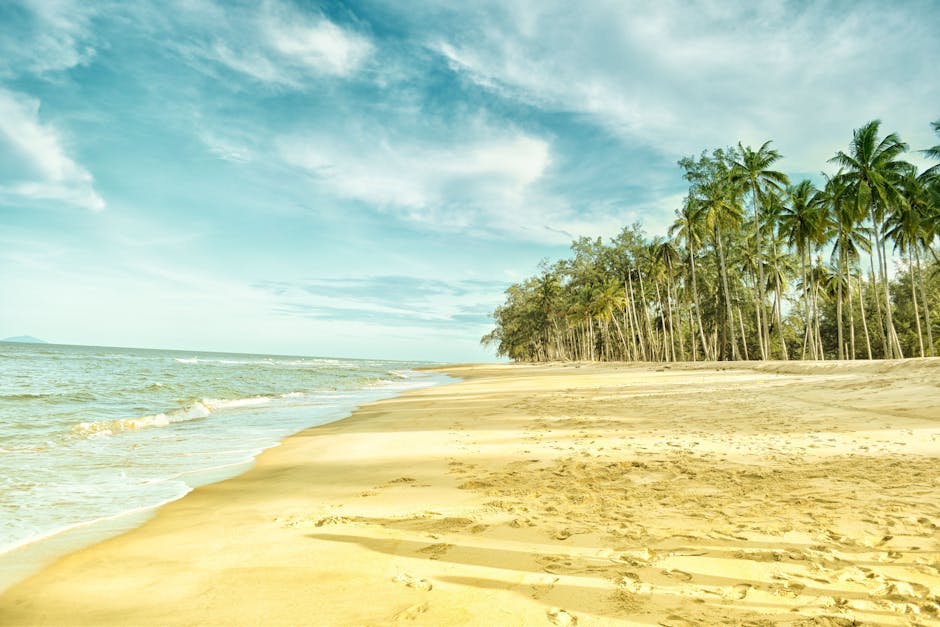
The southern reaches of Yunnan, bordering Laos and Myanmar, are geographically and climatically distinct. Xishuangbanna is a tropical enclave where the “winter” is effectively a pleasant, dry summer. From November to March, while the rest of China is freezing, Jinghong (the capital of Xishuangbanna) enjoys daytime highs of 24°C to 28°C. This is the peak season for the region, attracting those looking for palm trees and night markets. The air is clear, and the humidity is at its annual low, making it the best time to explore the Wild Elephant Valley or the many Buddhist temples of the Dai people.
April marks the most significant event in the regional calendar: the Water Splashing Festival (Dai New Year). Usually held around April 13-15, it is a massive, province-wide celebration. While culturally fascinating, it is a logistical nightmare for the unprepared. Hotel prices in Jinghong triple, and flights must be booked months in advance. The heat in April is also intense, often hitting 35°C before the monsoon rains arrive to cool the earth. If you don’t mind getting wet—both from the sky and from exuberant locals with buckets—it is a bucket-list experience, but it is not for the traveler seeking quietude.
The rainy season in the south (June to September) is heavy. The rainforests of Xishuangbanna are at their most biologically active, but the humidity can be draining. Pu’er, located slightly north and at a higher elevation than Jinghong, offers a milder alternative. The tea plantations of Pu’er are beautiful year-round, but the spring harvest in late March and April is the most interesting time for tea enthusiasts. You can witness the picking and processing of the famous fermented tea, though you will be competing with tea buyers from across Asia for accommodation and transport.
Photography and Landscapes: Capturing Yuanyang Rice Terraces
For landscape photographers, the timing for the Yuanyang Hani Rice Terraces is non-negotiable. The terraces are a seasonal masterpiece that depends entirely on the irrigation cycle. The “mirror-like” effect, where the flooded paddies reflect the sunrise and sunset, only occurs from late December through March. During this window, the rice has been harvested and the terraces are filled with water to prepare for the next planting. This is also the time when sea-of-clouds formations are most frequent in the Red River Valley, providing a dramatic backdrop for the tiered water surfaces.
By late April, the planting begins, and the terraces turn a vibrant, neon green. While still beautiful, the reflective quality is lost as the rice stalks grow. By late August and September, the terraces turn golden as the rice matures, offering a completely different but equally stunning palette. However, the summer months in Yuanyang are prone to heavy fog. It is common for photographers to wait three or four days in the town of Xinjie without seeing the terraces at all due to thick, low-hanging clouds. If you are making the five-hour journey from Kunming, check the short-term mist forecasts.
Another photographic highlight is the Dongchuan Red Lands, located about three hours north of Kunming. The best time to see the iron-oxide-rich soil at its most vivid is either in May and June (after the lands are plowed and before the crops grow too high) or in September and October (after the harvest). A light rain actually enhances the color of the red earth, making it appear deeper and more saturated. Below is a summary of the best times for specific landscape features:
| Destination | Peak Visual Interest | Primary Feature | Travel Tip |
|---|---|---|---|
| Yuanyang Terraces | Jan – March | Flooded mirror effect | Arrive for sunrise at Duoyishu |
| Dongchuan Red Lands | May, Oct – Nov | Deep red soil contrast | Best photographed after light rain |
| Shangri-La Meadows | Late May – June | Rhododendron blooms | Expect afternoon showers |
| Meili Snow Mountain | Oct – Feb | Golden sunrise on peaks | Visibility is highest in Nov |
Avoiding the Crowds: Chinese Public Holidays and Peak Travel Windows

The single biggest mistake a traveler can make in Yunnan is ignoring the Chinese public holiday calendar. The “Golden Week” (October 1st to 7th) and the Lunar New Year (dates vary in January or February) see hundreds of millions of people on the move. During these times, Lijiang’s narrow alleys become impassable, and the quiet shores of Erhai Lake are lined with tour buses. Prices for everything—from flight tickets to a bowl of Crossing the Bridge Noodles—skyrocket. More importantly, the quality of service drops as infrastructure is stretched to its limit. If your schedule allows, avoid these weeks at all costs.
The summer school holiday (July and August) is the next busiest period. While not as concentrated as the Golden Weeks, it maintains a high baseline of domestic tourism. This is particularly true for Kunming, Dali, and Lijiang, which are marketed as “cool summer retreats.” If you must travel during the summer, head further off the beaten path. Regions like the Nu River (Nujiang) Valley or the remote villages of Wenshan prefecture remain relatively quiet even when the main tourist hubs are full. These areas offer rugged scenery and ethnic minority culture without the commercialization found in Lijiang.
Shoulder seasons—specifically March, April, September, and November—offer the best experience for the international traveler. During these months, children are in school, and the bulk of domestic tourism is suppressed. You can often book boutique guesthouses a day or two in advance, and the UNESCO sites are far more tranquil. November is a personal favorite; the weather is dry and stable, the autumn colors are at their peak in the north, and the winter crowds for Xishuangbanna haven’t yet arrived in full force.
Budgeting and Logistics: Seasonal Cost Fluctuations
Yunnan is generally more affordable than China’s eastern coastal cities, but its popularity means that prices are highly seasonal. A high-end boutique hotel in Dali that costs 450 RMB ($62) in November can easily jump to 1,200 RMB ($165) during the Spring Festival. Flights follow a similar trajectory. A one-way ticket from Shanghai to Kunming might be as low as 400 RMB in the off-season but will exceed 1,500 RMB during peak holidays. Booking at least 30 days in advance is standard for the best rates, but for the July-August period, I recommend 60 days.
Transportation within the province has been revolutionized by the expansion of the high-speed rail (HSR) network. You can now travel from Kunming to Dali in 2 hours, and to Lijiang in 3.5 hours. These prices are fixed, which provides a budget anchor regardless of the season. However, tickets for the HSR sell out almost instantly during public holidays. If you are traveling during a peak window, you must be ready to book your train tickets the moment they are released (currently 15 days in advance) via the 12306 official app or a third-party provider like Trip.com.
Pro Tip: When budgeting for Yunnan, don’t forget the entrance fees. China’s top-tier (5A) scenic spots are expensive. Jade Dragon Snow Mountain, including the cable car and park entry, can cost upwards of 350 RMB per person. These fees do not fluctuate by season, so they will represent a larger percentage of your budget during the low season when accommodation is cheap.
For those on a strict budget, the best value is found in the “deep winter” of December and January for the northern and central regions. While you will need to pack a heavy down jacket, the cost of living in Lijiang or Dali drops significantly. You can find comfortable, heated guesthouses for under 200 RMB that would usually be double that price. The food remains affordable year-round, with local markets and street stalls offering meals for 15-30 RMB. Ultimately, Yunnan rewards the researcher who balances the climatic data with the cultural calendar to find their own perfect window.