 Thomas Lucas
 Spring is the sweet spot for the Loire Valley: gardens are waking up, cycling paths are quieter, and château courtyards feel less crowded than in July. The easiest first trip combines regional trains with short, mostly flat rides between Tours, Amboise, Blois, and the surrounding estates.
Which Loire Valley base works best for a spring trip?
Choose Amboise for the most efficient first visit. It sits close to several major sights, has a useful train station, and gives you a walkable evening after a day in the saddle. Tours works better if you want more restaurant choice and frequent rail connections. Blois is the strongest base for Chambord and Cheverny, but it creates a longer transfer for Chenonceau and Villandry.
Stay in Amboise for Chenonceau and château density
Amboise to Chenonceaux is roughly 18 kilometres by bike, depending on your route. That makes Chenonceau an easy half-day outing, with enough time to tour the rooms and gardens before riding back. Château Royal d’Amboise and Clos Lucé sit inside the town, so you can visit them without arranging transport. A spring evening in Amboise also solves a common problem: arriving back from a château after restaurants in smaller villages have closed.
Stay in Tours for the simplest rail logistics
Tours is the practical choice for travellers arriving by high-speed train from Paris. You get more departures, more luggage storage, and a wider range of hotels. Use Tours as a base for Villandry and Azay-le-Rideau, then take a TER train to Amboise for a separate château day. The trade-off is extra daily travel. For a four-day trip, Tours wins on convenience; for a slower cycling holiday, Amboise wins on atmosphere and shorter transfers.
How should you combine trains and bikes between the châteaux?
The best plan uses trains for the long jumps and bikes for the final 10 to 30 kilometres. Do not force a single giant cycling loop across the valley. Spring showers, delayed trains, and château closing times make a flexible route much more enjoyable.
Use this route structure
| Day | Train base | Bike section | Distance | Main visit |
|---|---|---|---|---|
| 1 | Tours | Local walking day | 0-5 km | Tours old town and riverfront |
| 2 | Amboise | Amboise to Chenonceau and back | 36 km | Château de Chenonceau |
| 3 | Tours | Tours to Villandry and back | 56 km | Château de Villandry |
| 4 | Blois | Blois to Chambord and back | 42 km | Château de Chambord |
Book around the train, not around the château
Check the first and last TER departures before buying a château ticket. Some regional trains have limited space for assembled bicycles, while others require a bike reservation or have seasonal restrictions. If the bike must be boxed, add time for packing and unpacking. Keep a 45-minute buffer before any timed entry. The SNCF Connect app is free and useful for checking live departures, but confirm bicycle rules on the specific TER service before travelling.
For a first visit, three château days are enough. Four grand estates in two days creates rushed interiors, missed meals, and tired legs. The strongest route is one major château per day, with a smaller town or garden as the second stop.
What is the best four-day spring itinerary?
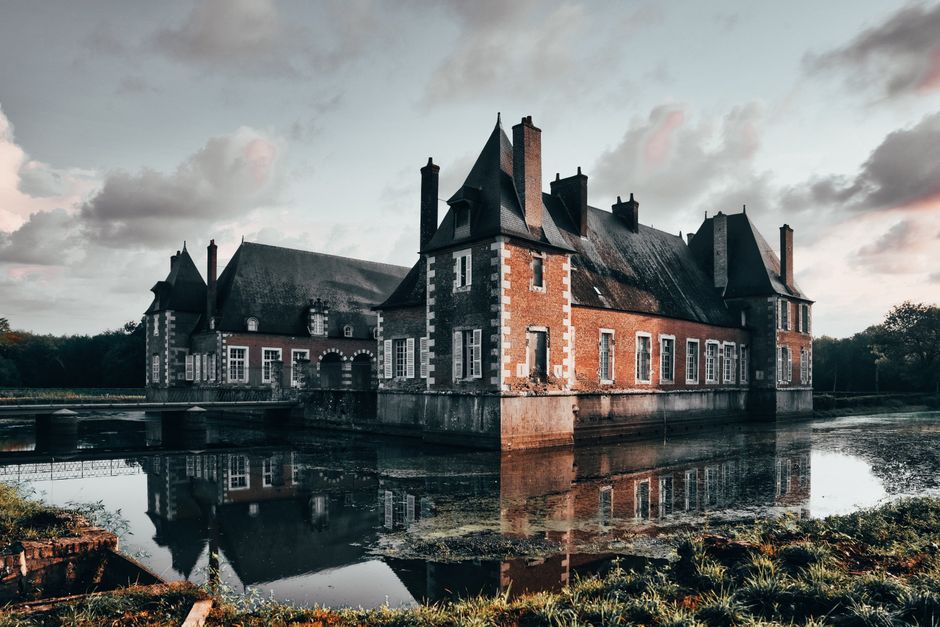
Follow this order if you want a balanced trip with manageable rides, reliable train options, and time for gardens rather than constant transfers.
Days 1 and 2: arrive through Tours, then ride from Amboise
- Day 1: Arrive in Tours, leave heavy luggage at your hotel, and walk through the historic centre. Buy food for the next morning because rural château cafés may open late in spring.
- Day 2: Take the TER from Tours to Amboise, collect your bike, and ride to Chenonceau. Allow two hours for the château and gardens. Return through the quieter lanes near Civray-de-Touraine instead of repeating the main road.
- Day 3: Ride or take the train back toward Tours, then cycle beside the Cher to Villandry. The gardens deserve at least 90 minutes. If rain starts, skip the longer return ride and use a taxi or local connection for the final section.
Day 4: make Chambord the final large visit
- Take a morning train from Tours or Amboise to Blois-Chambord. Ride the marked route toward Chambord, which is around 21 kilometres each way from Blois.
- Arrive before midday. The estate grounds are huge, so lock the bike at the official bicycle area and tour the interior before exploring the exterior paths.
- Return to Blois by late afternoon. Keep the final train flexible because spring wind can slow the ride across open farmland.
This itinerary works because each day has a clear centre. You are not trying to see every famous staircase in the valley; you are giving each château enough time to feel distinct.
What bike and navigation gear do you actually need?
A comfortable hybrid bike with puncture protection beats a racing bike for the Loire. The routes are mostly gentle, but château entrances, gravel lanes, cobbles, and pannier weight make an upright position more useful than maximum speed.
Pick a rental bike with these minimum specifications
Ask for 700c wheels, a rear rack, mudguards, front and rear lights, and at least seven usable gears. A step-through frame helps when stopping often at gates and crossings. For a price benchmark, the Decathlon Riverside 500 is a 9-speed hybrid bike often listed around €400 when sold new; a comparable rental should include the rack, lock, and basic repair kit rather than charge for each item separately. For a four-day rental, a normal planning figure is €25 to €40 per day for a standard bike and €45 to €70 for an e-bike.
Carry navigation and weather protection
Komoot is useful for building routes that avoid major roads, while a paper map remains valuable when phone batteries drop. A cheaper setup is a waterproof phone mount, a 10,000mAh power bank, and downloaded routes.
- Pack a lightweight rain jacket, shoe covers, and one dry pair of socks.
- Use panniers instead of a backpack for rides longer than 25 kilometres.
- Carry two spare inner tubes, tyre levers, a pump, and a small multitool.
- Bring a rear light even for daytime rides; tree-lined paths can become dark during a shower.
The Quechua NH Escape 500 23L backpack, often priced around €39.99, works for a day ride, but it is not the best choice for carrying clothes between hotels. Put luggage on the bike and keep your back free.
Which Loire Valley cycling mistakes should you avoid?
Most disappointing château trips fail through timing, not fitness. Spring makes the mistakes more visible because opening hours, rain, and transport capacity change from day to day.
Should you cycle to every château?
No. Do not ride from Tours to Chambord, continue to Chenonceau, and expect a relaxed visit. The distances look reasonable on a map, but the valley has detours, slow crossings, photo stops, and long estate paths. Use the train for cross-valley travel and save your legs for one good ride.
What causes the most avoidable delays?
- Starting too late: Leave by 8:30 a.m. for a château outside your base. Gardens are calmer before lunch, and a late start leaves no buffer for a puncture.
- Trusting a straight-line distance: A 15-kilometre map distance can become 22 kilometres when the safe route follows the river or avoids a busy road.
- Ignoring lunch hours: Rural restaurants may serve only from noon to 2 p.m. Carry sandwiches, fruit, and water for at least one meal.
- Booking a tight return train: Leave at least 60 minutes between planned arrival at the station and departure, especially after a long ride.
- Choosing the wrong spring clothing: April mornings can feel cold beside the river while the afternoon sun feels warm. Use three thin layers instead of one heavy coat.
Skip the bike rental entirely if you dislike riding in wind, have limited mobility, or want to spend several hours inside each château. Local taxis and buses may cost more, but they remove the main source of schedule stress.
What is the clearest first-trip verdict?
Take the train to Tours, stay two nights in Amboise, and visit Chenonceau by bike. That combination gives you the best balance of rail access, château quality, manageable distance, and evening options. Add Villandry from Tours and Chambord from Blois only if you have four full days.
Choose this route for a relaxed spring weekend
For two nights, use Tours as the arrival point and Amboise as the overnight base. Spend the first day on foot around Amboise, then make Chenonceau the cycling day. This avoids changing hotels and keeps the most scenic ride in the middle of the trip, when your legs are still fresh.
Choose a different plan when the weather turns
If rain is forecast all day, swap the cycling order. Visit Château Royal d’Amboise or Clos Lucé by train and on foot, then move Chenonceau to the clearest day. If strong wind is forecast, avoid the exposed route to Chambord and use a transfer from Blois. A good Loire itinerary is built around one memorable ride, not a promise to pedal through every kind of weather.
That is the practical answer to the spring question: arrive by train, ride only the sections that add scenery, and leave enough time for the buildings themselves. You finish the trip with château gardens in bloom, a manageable number of kilometres, and a route that still works when the forecast changes.