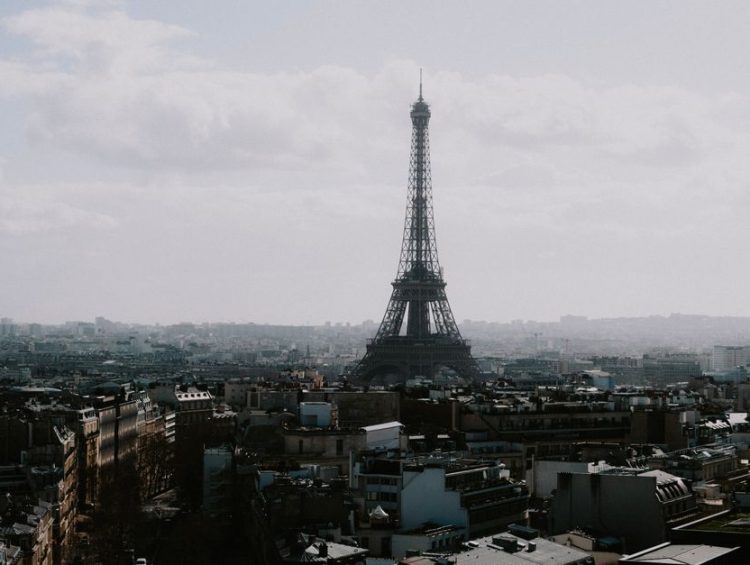
 Thomas Lucas
 The common misconception is that Paris in February means grey skies, closed doors and a trip spent hiding in a hotel. The real problem is less dramatic but more practical: you leave your accommodation with one museum in mind, get soaked crossing two arrondissements, arrive during a timed-entry rush, then discover that your dinner reservation is 40 minutes away. A cold, wet day in Paris punishes loose planning.
The fix is to plan around short walking distances, one major indoor sight, one smaller gallery and a food stop that earns the price. February rewards travellers who build a route instead of collecting famous addresses.
Why Paris in February works best as a neighbourhood plan
Paris is not difficult to visit in winter because the city lacks things to do. It is difficult because many of its best experiences are spread across a dense map, while February weather makes every unnecessary crossing feel expensive. A ten-minute walk in mild spring weather is simple. The same walk in cold rain, with wet shoes and a reservation clock running, becomes a bad use of the day.
The first principle is simple: reduce exposure to the weather between experiences. Pick a compact area, reserve the main indoor attraction, and leave room for a café or food hall nearby. This approach also protects the budget. You are less likely to pay for an overpriced taxi, abandon a prepaid ticket or buy lunch at the first place with an empty table.
What February weather changes
February days are short enough to make timing matter, but not so short that you need to stay indoors from morning to night. Start outdoor movement after breakfast, use the middle of the day for a museum or gallery, and save dinner for a neighbourhood where you can walk only a few minutes from the last sight. Pack waterproof shoes, a compact umbrella and one warm layer that fits under a coat. A heavy suitcase or bulky backpack becomes a nuisance in crowded galleries.
How to group sights without wasting a day
Use the Seine as a planning line. The Louvre, Tuileries and Palais Royal can support one central day. The Musée d’Orsay, Musée de l’Orangerie and Saint-Germain-des-Prés work better as another. For the Marais, combine a gallery visit with covered shopping passages, a bakery stop and an early dinner. Do not treat every museum as a full-day commitment. Two focused hours with a clear route often beat five tired hours of wandering.
My firm view: one major museum plus one smaller cultural stop is the correct February limit for most visitors. Three large museums in one day produces more ticket expense than useful memory.
Which indoor sights are worth the ticket in February?
Price matters because Paris offers many excellent free or low-cost alternatives, and a famous name does not automatically mean a good winter experience. The table below compares practical choices using official 2026 rates where available. Exhibition schedules can change, so check the venue before paying.
| Indoor sight | Adult price | Best use of time | Winter catch |
|---|---|---|---|
| Musée du Louvre | €22 EEA rate; €32 non-EEA rate | Three focused hours for major collections | Closed Tuesdays; book a time slot |
| Musée d’Orsay | €16 online; €14 at the museum | Two to three hours of Impressionist art | Closed Mondays; Thursday late opening |
| Atelier des Lumières | From €18 online on many weekday slots | One immersive hour in a former foundry | Suitcases are not accepted |
| Angelina Paris | €8.90 hot chocolate; €9.50 Mont-Blanc | A warm afternoon food stop | Historic location can have a queue |
The Louvre’s official ticket page lists the 2026 EEA and non-EEA rates and warns visitors about fake ticket sellers. That warning matters. A bargain “skip-the-line” offer from an unknown site can cost more than the standard ticket if the museum refuses entry.
The Musée d’Orsay’s visitor information lists online admission at €16 and notes the Thursday late opening. For a short February trip, Orsay is my value pick: the building is easier to navigate than the Louvre, the collection has a clear visual identity and the ticket costs €6 less than the non-EEA Louvre rate.
The Atelier des Lumières is a different kind of visit. It is not a replacement for an art museum, but it works well when rain, children or low energy make a conventional gallery less appealing. My verdict is direct: choose Orsay for serious art value, the Louvre for first-time priorities, and Atelier des Lumières for a shorter, more relaxed indoor block.
The smartest February day has one anchor, not five
My strongest recommendation is to build each day around one fixed indoor anchor and let everything else stay flexible. A booked museum at 11 a.m. gives the morning a purpose without forcing you to sprint through breakfast, while a nearby gallery, covered market or café can fill the afternoon if the weather turns unpleasant; this also leaves enough time to stop for soup, pastry or a hot drink instead of treating meals as fuel between attractions.
The expensive mistake is chasing volume: three major tickets, four metro changes and a dinner reservation across town may look efficient on a map, but it creates a chain of small penalties when one queue runs long or rain slows the walk. Paris is better when the route has slack. Spend money on the one sight you genuinely want, then use the surrounding streets, churches, bookshops and cafés as the free part of the day.
For most visitors, the winning formula is one museum from late morning, one neighbourhood walk of no more than 30 minutes in total, and one reserved meal or pastry stop. That is enough culture to feel the city and enough empty space to enjoy it.
Five February mistakes that quietly raise the cost of a trip
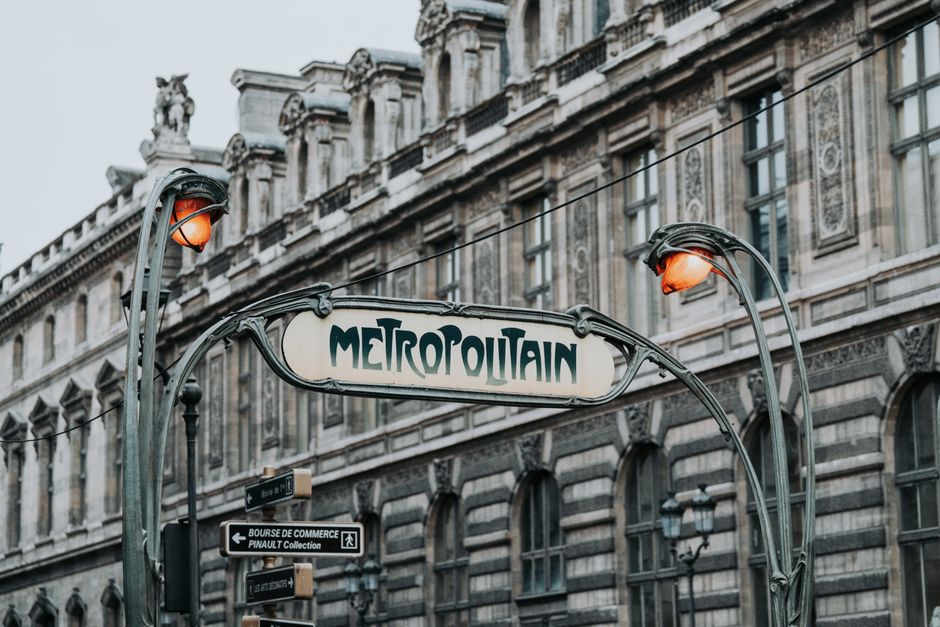
Winter planning fails in predictable ways. Avoid these before you buy tickets.
- Booking by fame alone. The most famous museum is not always the right choice for your available hours. Check the closing day first. A Tuesday Louvre plan fails immediately because the museum is closed.
- Putting two distant reservations on the same afternoon. Leave at least 45 minutes between a timed museum entry and a restaurant booking. Security lines, coat checks and delayed trains all happen.
- Assuming free admission means no reservation. Some visitors qualify for free entry but still need a time slot. Carry the correct proof of age, residency or status instead of relying on an email screenshot.
- Buying a city pass without doing the maths. Add the exact attractions you will visit. Two museum tickets and a walk do not automatically justify a pass, especially when one of your chosen sights has a reduced youth rate or a free-admission category.
Also check baggage rules before visiting smaller galleries. The Atelier des Lumières, for example, does not accept suitcases and has limited storage. A hotel drop-off or station locker can be cheaper and less stressful than arriving with luggage you cannot take inside.
What should you eat in Paris during a cold February day?
My food verdict: choose one classic sit-down treat, then spend the rest of the food budget on ordinary neighbourhood meals. Parisian winter food works because it is warm, filling and built for slow pauses, not because every famous café deserves its reputation.
Is Angelina worth the price?
Angelina Paris is worth one planned stop if you want its thick hot chocolate and Mont-Blanc pastry. The official menu lists L’Africain at €8.90 and the Mont-Blanc at €9.50, so two people ordering both would spend €36.80 before any extra drink or service charge. That is a premium snack, not a cheap coffee break. Go in the afternoon, share one pastry if you are not very hungry, and avoid treating the queue as proof that the experience must be exceptional.
What winter foods deserve priority?
Look for French onion soup, gratin, buckwheat galettes, roast chicken, lentils, seasonal squash and warm pastry. A bakery breakfast can stay under €10 with a croissant, coffee and juice, while a casual lunch often lands around €15 to €25. A traditional brasserie dinner may cost €30 to €50 per person before wine. Those ranges are more useful than a promise that Paris can be done on an unrealistically tiny daily budget.
What is the best rainy-day food route?
Start with breakfast near your hotel, visit the main indoor sight, then eat lunch within a ten-minute walk rather than crossing the city. Reserve a pastry or hot chocolate for mid-afternoon, when queues at popular tea rooms may ease. Finish with a simple dinner near the evening’s last stop. That route solves the original wet-weather problem: the traveller who began the day worried about rain now has a warm museum, a measured food budget and no frantic cross-town transfer waiting after dessert.