 Thomas Lucas
 Binche is the best choice for a first carnival trip to Belgium if you want old rituals, drums, masked Gilles and a tightly focused street festival. In 2026, the main celebration runs from Sunday 15 February to Tuesday 17 February. Aalst is louder and more satirical. Malmedy is more regional, musical and character-driven. Choose the city that matches the experience you actually want, then plan around crowds instead of treating carnival like a normal sightseeing day.
Why Binche is Belgium’s carnival benchmark
What makes the Gilles different
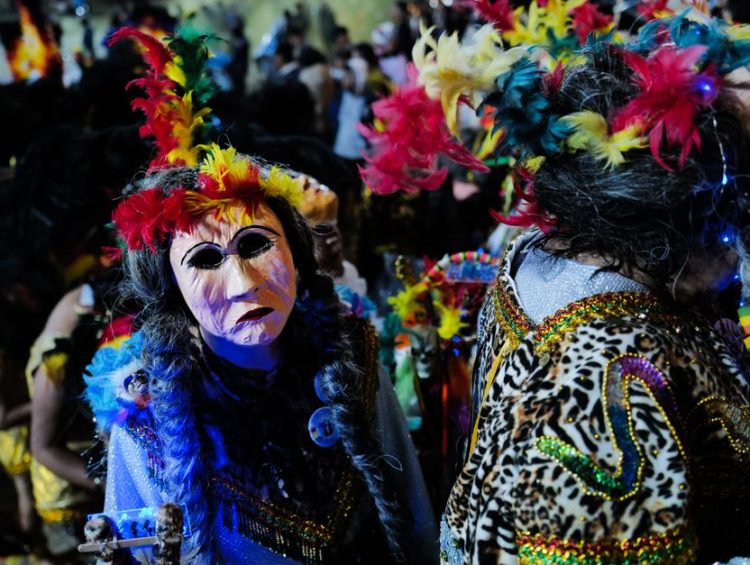
Binche is not simply a parade with costumes. The central figures are the Gilles, local men who follow strict traditions involving wax masks, wooden clogs, bells, orange throwing and tall ostrich-feather hats. The costume, music and choreography belong to the town. Visitors can watch, but they do not turn the event into a costume party for outsiders. That distinction matters. The Carnival of Binche is recognised by UNESCO as intangible cultural heritage, but the label is less important than the living rules behind it: local societies organise the event, families pass roles down, and the main rituals take place in the streets around the historic centre.
Why Tuesday is the key day
Tuesday 17 February is the strongest choice because it brings the Gilles into their full ceremonial dress, including the famous feathered hats, and ends with the closing fireworks. Sunday has the largest parade energy, while Monday is more relaxed and social. My verdict is clear: spend one full day in Binche, and make it Tuesday if you can handle an early start, dense crowds and a long day outdoors. Arrive before the morning movement begins, stay inside the town centre, and let the procession come to you. Trying to arrive late for one photograph is the fastest way to miss the point.
What happens during Binche Carnival in 2026
The three days are not interchangeable. Each has a different rhythm, crowd profile and reason to attend. Use this schedule to choose the right visit rather than assuming the final day is automatically best for everyone.
| Date | Main character | Best for | What to expect |
|---|---|---|---|
| Sunday 15 February | Opening parade | First-time visitors and photographers | Large public procession, costumes, music and strong daytime atmosphere |
| Monday 16 February | Social carnival day | Families and slower-paced visitors | More local interaction, children’s activities, masked groups and evening celebrations |
| Tuesday 17 February | Gilles and closing rituals | Serious carnival followers | Early activity, drums, orange throwing, feathered hats, packed streets and closing fireworks |
Best day for a first visit
Sunday is the safest introduction. You get the visual scale of the event without committing to the punishing early hours of Shrove Tuesday. The parade is easy to understand, the town feels festive from late morning, and you can leave before the final night becomes exhausting. Book accommodation early if you want to stay nearby, because the three-day window creates a sharp demand spike in Binche, Mons, Charleroi and nearby towns.
Best day for atmosphere
Tuesday wins for intensity, not comfort. The bells, drums and movement feel more personal because the ritual starts early and continues for hours. Do not expect a neat show with clear start and finish times. Streets close, groups stop, crowds shift and the weather can turn cold or wet. The official programme should be checked again shortly before departure because local timings and access arrangements can change.
How to experience Binche without behaving like a tourist
Binche rewards attention and punishes careless planning. Follow this order:
- Arrive before the main crowd. Reach the town centre early enough to find the route, toilets and a warm place for breakfast. On Tuesday, early means genuinely early, not 10 minutes before the parade.
- Pick one viewing area. Do not spend the day chasing every group. Choose a broad street near the centre, leave room for people to move, and watch how the societies interact with residents.
- Keep your hands off the performers. Do not grab hats, feathers, masks or costumes for photographs. Ask before taking close portraits, especially when a participant is preparing for a ritual.
- Protect your phone and camera. A zipped inner pocket beats an open coat pocket. Confetti, rain, spilled drinks and crowded movement create more risk than pickpockets alone.
- Eat before you are hungry. Street food is available, but queues grow when processions pause. Carry a small snack and water, then use local cafés when the streets briefly loosen.
- Wear shoes that can take punishment. Expect several hours standing on cobbles, wet pavement and packed streets. Waterproof boots with good grip beat fashionable trainers.
- Leave when your energy drops. Carnival is not improved by becoming cold, dehydrated and irritable. A shorter visit with attention is better than staying until you stop seeing anything.
The correct attitude is simple: observe first, photograph second. Binche is a community festival that allows visitors into its space; it is not a stage built for visitors.
Which February carnival fits your trip?
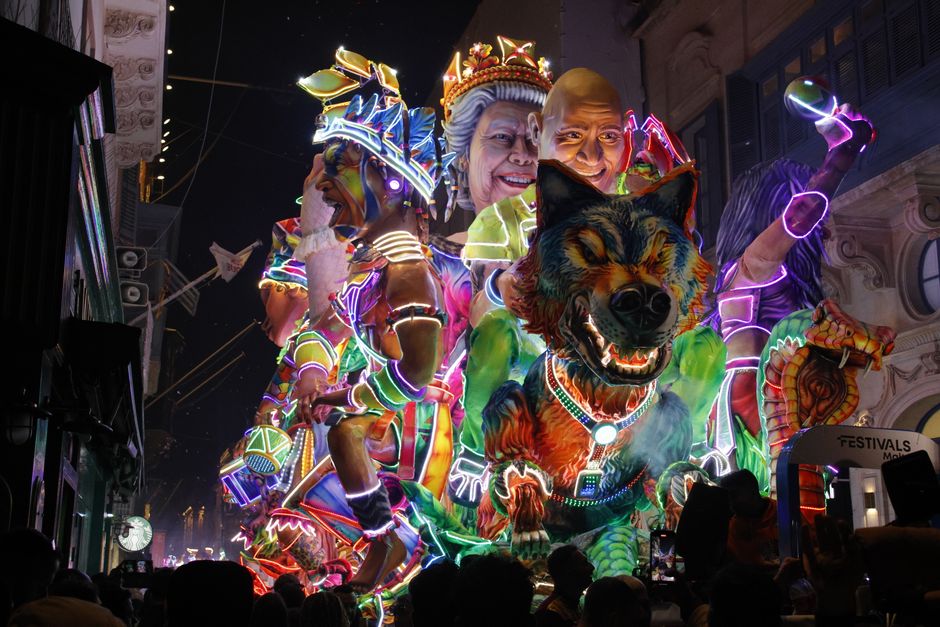
Binche is famous, but fame does not make it the right choice for every traveller. Aalst and Malmedy offer very different forms of carnival. This is the useful comparison.
| Festival | Dates in 2026 | Defining style | My verdict |
|---|---|---|---|
| Binche | 15–17 February | Gilles, drums, masks, oranges and ritual | Best for heritage and traditional ceremony |
| Aalst | 15–17 February | Satire, giant floats, costumes and the Voil Jeanetten | Best for political humour and a huge party |
| Malmedy Cwarmê | 14–17 February | Local characters, bands, masks and Walloon folklore | Best for regional culture and a less familiar scene |
| La Calamine | February 2026 | German-speaking carnival and Rose Monday traditions | Best for a smaller eastern Belgium experience |
Choose Aalst for satire
Aalst is not a substitute for Binche. Its identity comes from mockery, topical jokes, enormous groups and a carnival culture that deliberately tests the limits of public taste. The city stages a Sunday parade, Monday activities and the Tuesday Voil Jeanetten procession, which ends with the burning of the carnival figure. Pick Aalst if you want spectacle and sharp humour. Avoid it if you want quiet folklore or a family event with a gentle tone.
Choose Malmedy for local character
Malmedy’s Cwarmê runs from Saturday 14 February through Tuesday 17 February in 2026. Its appeal lies in traditional characters, bands, masks and a strong sense of place rather than global fame. The town is smaller and the experience feels more regional. Choose Malmedy if you prefer folklore that visitors have to pay attention to. Binche is the clear winner for a first-ever Belgian carnival; Malmedy is the better second trip.
What to pack and how to stay safe in a dense street carnival
Dress for February, not for photographs
Belgian February can give you rain, wind, cold sunshine or all three in one afternoon. Wear a waterproof outer layer over warm layers, and choose a hat that will not blow away. Gloves matter because you may spend hours with your hands raised for photographs or pressed against your body in a crowd. Avoid long scarves that can catch on bags and avoid open shoes entirely.
Manage crowds with a fixed meeting point
Mobile coverage can become unreliable when thousands of people gather in a compact centre. Tell your group where to meet before entering the busiest streets, and choose a landmark that remains visible even after barriers and temporary stalls appear. Do not rely on a café name alone; several businesses may look similar, and one may become inaccessible during a procession. Children need an adult’s phone number written inside a pocket, not only stored in their own device. Ear protection is sensible for young children because drums and brass bands can be painfully loud at close range.
Know the mistakes that ruin the day
The most common mistake is driving directly into the centre and expecting a normal parking space. Road closures and temporary restrictions make that strategy slow and stressful. The second mistake is treating oranges as harmless souvenirs. During Binche rituals, fruit can be thrown into the crowd, so protect glasses, cameras and faces. The third mistake is assuming every carnival tradition welcomes the same behaviour. Aalst’s satire can be provocative, Binche’s costumes are tied to local identity, and Malmedy’s characters have their own meanings. Watch first, copy nothing, and ask before joining a ritual.
The best safety rule is to carry less. Take one phone, one payment card, a small battery pack and only the clothing you can manage in a crowd. Leave expensive jewellery and bulky camera bags at the hotel.