 Thomas Lucas
 Most people think Vienna is just Mozart, schnitzel, and expensive opera tickets. They land, queue for two hours at Schönbrunn, eat a dry schnitzel near Stephansplatz for €28, and leave saying the city felt like a museum. That is not Vienna. The city works differently when you know a few local shortcuts.
I spent a week walking the districts, testing transit passes, and drinking far too much melange. These are the practical tips that actually save time and money — not the recycled advice you find on generic travel sites.
The Vienna City Card Is a Trap for Most Travelers
The Vienna City Card costs €17 for 24 hours and promises discounts at museums and attractions. Sounds good. But most first-timers don’t realize the discounts are often 10-15% off already-expensive entry fees. You need to visit three or four major sights in one day just to break even.
Here is the math. Schönbrunn Palace Grand Tour costs €24. A 10% discount saves you €2.40. The Kunsthistorisches Museum costs €21. You save €2.10. To recover the €17 card cost, you need roughly seven museum visits in 24 hours. That is a marathon, not a vacation.
What to Buy Instead
Get the Wiener Linien 24-hour ticket for €8.00. It covers all U-Bahn, trams, and buses. Or the 72-hour ticket for €17.10 — same price as the City Card but without pretending you will visit seven museums. If you are under 26, the Bundesmuseen Card (€19 for 12 months) gets you into the Kunsthistorisches Museum, Belvedere, and Albertina for free. That is the real deal.
Skip the City Card unless you are a museum fanatic with a spreadsheet. Buy the transit pass and pay entry fees directly.
Which Vienna Coffee Houses Are Actually Worth the Wait
Tourist guides all say the same thing: go to Café Central or Café Sacher. Both are beautiful. Both have lines out the door by 10am. Both charge €7.50 for a melange that costs €4.20 two blocks away. The experience is not bad — it is just not worth waiting 45 minutes for.
Here is my honest take after visiting nine coffee houses in six days.
| Coffee House | Melange Price | Wait Time (10am) | Verdict |
|---|---|---|---|
| Café Central | €7.50 | 35-50 min | Gorgeous but overrun. Go at 8am or skip. |
| Café Sacher | €7.80 | 25-40 min | Sachertorte is good, not life-changing. |
| Café Sperl | €4.80 | 5-10 min | Authentic, quiet, local favorite since 1880. |
| Kaffee Alt Wien | €4.60 | No wait | Gritty, late-night, full of students. |
| Café Jelinek | €4.40 | No wait | Cash only. Zero tourists. Perfect. |
Café Sperl on Gumpendorfer Straße is my pick. It opened in 1880, still has original Thonet chairs, and the waiters don’t rush you. You can sit for three hours with one coffee and a newspaper. That is the Viennese coffee house tradition — not a photo opportunity.
Café Jelinek in Mariahilf is even more local. Cash only, no Wi-Fi, and the apfelstrudel costs €3.90. If you want the real thing without a queue, go there.
Schönbrunn Without the Crowds: A Simple Timing Trick
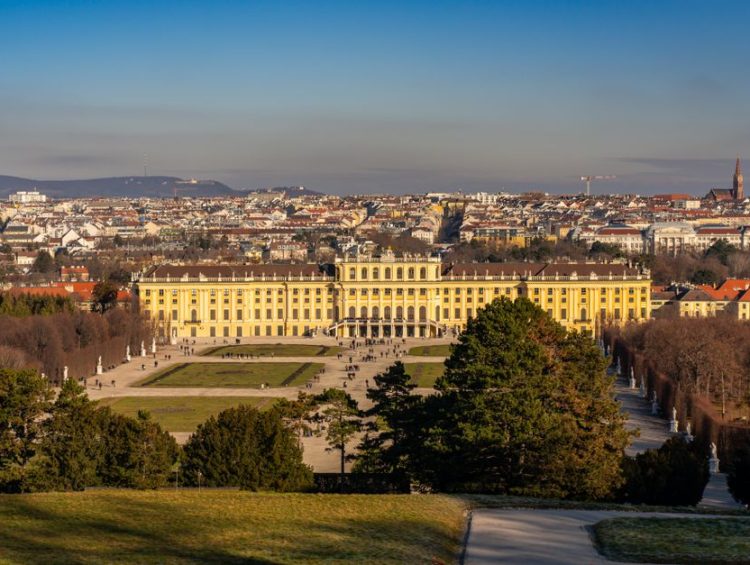
Everyone goes to Schönbrunn Palace at 10am. The tour groups arrive by 9:30am and the ticket line snakes through the courtyard. Here is what you do instead: arrive at 8:00am when the park opens. Walk the gardens first — they are free and empty. Then buy your ticket at 8:45am before the palace interior opens at 9:00am. You will be inside with the first group, not the 500th.
The Grand Tour (€24) covers 40 rooms. The Imperial Tour (€20) covers 22 rooms. Honestly, the Imperial Tour is enough for most people. The extra 18 rooms are more of the same: gilded furniture, portraits, porcelain. Unless you are deeply into Habsburg history, save the €4 and the 30 minutes.
One more thing: the Gloriette viewpoint behind the palace is free to walk up to. The terrace inside costs €4.50. Skip it. The view from the hill is the same.
Naschmarkt Is Overpriced. Go to Brunnenmarkt Instead.
Naschmarkt is Vienna’s most famous market. It is also the most expensive. A small bowl of olives costs €6. A falafel wrap is €9. The vendors are friendly, but they are pricing for tourists. Locals still shop there, but they know which stalls to avoid.
Brunnenmarkt in the 16th district is the longest street market in Vienna and half the price. A falafel wrap at Dr. Falafel costs €4.50. A kilo of apricots costs €2.50 in season. The market stretches for nearly a kilometer and you will hear more Turkish, Serbian, and Arabic than German. That is the real Vienna — a city where over 40% of residents have migrant backgrounds.
- Naschmarkt: Good for a quick stroll, overpriced produce, tourist-friendly.
- Brunnenmarkt: Cheap, chaotic, authentic. Go hungry.
- Karmelitermarkt: Small, calm, great for breakfast in the 2nd district.
- Viktor-Adler-Markt: Sunday flea market, good for vintage finds.
If you only have time for one market, go to Brunnenmarkt on a Saturday morning. Then walk to Yppenplatz next door and sit outside with a coffee from An-Do. That is a proper Viennese Saturday.
How to Use the U-Bahn Without Looking Like a Tourist
The Vienna U-Bahn is clean, fast, and runs until midnight on weekdays and 24 hours on weekends. But there are a few rules tourists break constantly.
First: validate your ticket. The Wiener Linien tickets must be stamped in the blue boxes at station entrances. If you buy a 24-hour pass, it activates the first time you validate it. If you forget and a controller checks, it is a €105 fine. No excuses.
Second: stand on the right on escalators. Vienna is not as strict as London, but locals will glare.
Third: the U-Bahn doors do not open automatically. You press the button or pull the handle. Tourists stand there waiting for doors to open and miss their stop. Press the button.
Fourth: download the WienMobil app. It shows real-time departures and lets you buy tickets on your phone. No paper, no confusion.
Where to Stay: District Matters More Than Hotel Stars
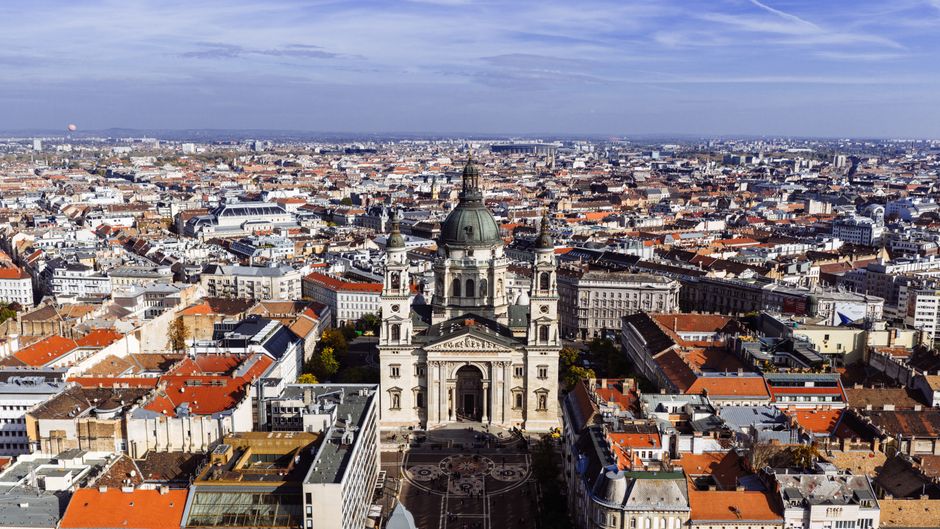
Most tourists stay in the 1st district (Innere Stadt) because it is central. That is a mistake. The 1st district is dead after 8pm, expensive, and full of tourist-trap restaurants. You will pay €200 a night for a small room and eat €25 schnitzel every night.
Stay in the 7th district (Neubau) or 6th district (Mariahilf) instead. Both are a 10-minute U-Bahn ride from the center but feel like real neighborhoods. You get independent cafés, vintage shops, and restaurants where a main course costs €12-15 instead of €20-25.
Specific picks: Hotel Gilbert in Neubau (from €140/night, design-focused, excellent breakfast) or Hotel Kummer in Mariahilf (from €110/night, simple but clean, right on Mariahilfer Straße). If you want an apartment, Urbanauts Studios rents renovated former shop spaces in the 7th district from €95/night.
The 2nd district (Leopoldstadt) is also good if you want green space. The Prater park and Augarten are both there, and the U2 line gets you to the center in five minutes.
Food Rules: What to Eat, What to Skip
Viennese food is hearty and heavy. Schnitzel, goulash, tafelspitz, käsekrainer. Here is what actually matters.
Eat schnitzel at a Beisl, not a tourist restaurant. A Beisl is a traditional Viennese pub. Gasthaus Kopp in the 20th district serves a pork schnitzel the size of a dinner plate for €12.80. Schnitzelwirt in the 7th district is also solid, around €14-16. Avoid any place with a picture menu and a waiter standing outside waving you in. Those are tourist traps.
Skip the Sachertorte at Hotel Sacher. It costs €8.50 for a slice and the line is ridiculous. Get the same cake at Aida (a local chain) for €4.20 or at Café Demel for €6.50. Demel is the original rival to Sacher and has better atmosphere anyway.
Try the street food. A käsekrainer (cheese-filled sausage) from a Würstelstand costs €4.50 and is better than most sit-down meals. Bitzinger Würstelstand next to the Albertina is the most famous, but any stand with a queue of locals works. Get it with sweet mustard and a roll.
One more thing: tap water in Vienna is alpine spring water. It is free and better than most bottled water. Ask for “Leitungswasser” and restaurants will bring it without charging — though some tourist places now charge €1-2 for a glass. If they charge, you are in the wrong restaurant.
So back to the beginning. The person who queues for two hours at Schönbrunn, eats a dry schnitzel, and leaves feeling underwhelmed — that doesn’t have to be you. Vienna rewards people who wander one district over, eat at a Beisl, and sit in a coffee house for three hours without checking their phone. The city is not a museum. It is a living place, and now you know how to live in it, even for just a few days.