 Thomas Lucas
 Everyone talks about New Zealand like it’s the safest, easiest solo trip on Earth. And mostly, it is. But that reputation breeds complacency. I spent six weeks bouncing between the North and South Islands alone, and I made exactly the kind of dumb mistakes that happen when you assume a country will just take care of you. None of them were catastrophic. All of them were avoidable.
1. Booking the InterCity Bus Without Checking the Actual Stop
New Zealand’s InterCity bus network is the backbone of budget solo travel. It’s reliable, the drivers are absurdly friendly, and the onboard commentary is better than most guided tours. But here’s what nobody tells you: some “stops” are just a petrol station on the edge of town, not a terminal.
I booked a bus from Rotorua to Taupō assuming I’d be dropped somewhere central. I got off at a BP station 3 km from my hostel with no footpath, no taxi rank, and a dead phone battery. It was 9 pm. I walked along the highway shoulder in the dark. Stupid. The fix is simple: when you book on the InterCity website, click the stop address and paste it into Google Maps before you pay. If it says “SH1” or “roadside,” plan your arrival accordingly. Some hostels will pick you up if you call ahead.
Fixed-price shuttle alternative
In Queenstown and Christchurch, companies like Super Shuttle run door-to-door services for about NZ$20–30. For short hops, they beat the bus because you don’t have to solve the last-mile problem with luggage.
2. Underestimating Mountain Weather on “Easy” Day Hikes
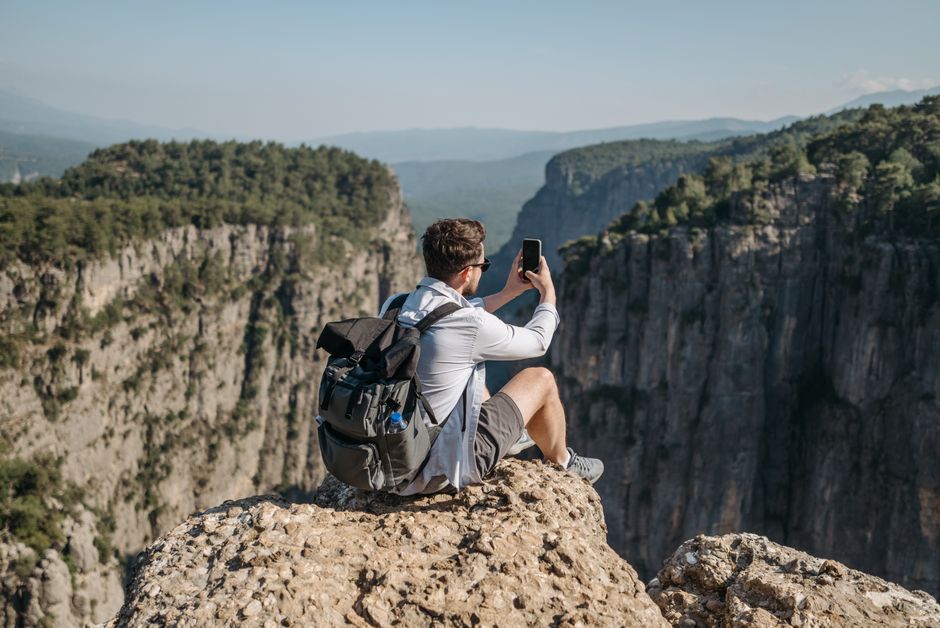
The Tongariro Alpine Crossing is marketed as a day walk. It is not a walk. It’s 19.4 km of exposed volcanic terrain where the weather can flip from sunshine to horizontal sleet in 40 minutes. I hiked it in late March with a 40L pack, a rain shell, and exactly zero thermal layers because the forecast at the carpark said “fine.” By the time I reached Red Crater, I was shivering so hard I couldn’t operate my camera. A ranger later told me they rescue solo hikers from that exact scenario every single week.
The Department of Conservation (DOC) website lists the crossing as “challenging” for a reason. Carry a merino base layer (Icebreaker or Macpac, both NZ brands), a proper waterproof jacket, and at least 2 liters of water. Check the MetService mountain forecast, not the town forecast. And if you’re solo, book the shuttle from Ketetahi or Mangatepopo rather than trying to hitch. It costs about NZ$45 return and removes the risk of finishing at the wrong end with no ride.
| Item | Why It Matters Solo | Budget Option |
|---|---|---|
| Personal Locator Beacon (PLB) | Cell coverage is zero on most tracks; if you break an ankle, this is your only call for help | Rent from DOC visitor centers for NZ$15/day or buy a KTI PLB for NZ$350 |
| Merino base layer | Wool stays warm when wet; cotton kills | Macpac or Icebreaker, NZ$80–120 |
| Waterproof jacket | Rain here is not a drizzle; it’s sideways and cold | Kathmandu or Macpac, NZ$200–400 |
| Headlamp | Daylight fades fast in autumn; getting caught out is common | Petzl Tikkina, NZ$35 |
3. Booking the Cheapest Hostel in Queenstown Without Reading Recent Reviews
Queenstown is expensive. A dorm bed runs NZ$40–60 a night, so I booked the cheapest option I could find three months out. It was a converted motel with paper-thin walls, a kitchen that closed at 10 pm, and a crowd that was there to party, not sleep. I spent more on coffee the next day than I saved on the room.
For solo travelers, the hostel is your social infrastructure. A bad one isolates you. Pay the extra NZ$10–15 for places like Adventure Queenstown Hostel or Absoloot Value Accommodation. Check reviews from the last three months, specifically for noise complaints and kitchen hours. A 4.2 rating from 2026 means nothing if new management took over this year.
4. Driving a Rental Car Without Checking the Insurance Fine Print
I rented a car in Christchurch through a budget aggregator. The daily rate was NZ$35, which felt like a steal. Then I read the excess: NZ$5,000. If I scratched a bumper on a gravel road, I’d be on the hook for five grand. The agent offered a “full cover” add-on for NZ$25 a day, which nearly doubled the cost. I declined it and spent the next week driving at 70 km/h on open roads, terrified of every loose stone.
Here’s the thing: in New Zealand, gravel roads are not optional detours. The road to Milford Sound has sections of unsealed surface. The Crown Range Road is twisty and steep. You will encounter loose gravel. Either pay for the excess reduction or rent from a company like Apex or GO Rentals that includes lower excess by default. And photograph the car from every angle before you leave the lot. Solo travelers have no witness when a pre-existing dent gets blamed on them.
5. Treating “No Predators” as “No Danger”
New Zealand has no snakes, no bears, no scorpions. This is the single most repeated safety fact about the country, and it makes people sloppy. The real dangers are boring: river crossings, hypothermia, and sunburn. The UV index in New Zealand regularly hits 11 or 12 in summer. I got sunburned on an overcast day in Wanaka because I assumed clouds meant protection. They don’t. The ozone layer is thin, and you burn in 15 minutes.
Also, sandflies. The West Coast sandfly is not a joke. They swarm, they bite through thin socks, and the welts itch for a week. Bring a DEET-based repellent (Bushman or Goodbye Sandfly, both NZ brands). Apply it before you get out of the car, not after you’re already covered in bites.
6. Not Booking Milford Sound Transport in Advance
Milford Sound is a 4-hour drive from Queenstown. I assumed I could figure out transport a few days out. In February, every shuttle, tour, and cruise was booked solid for a week. I ended up paying NZ$180 for a last-minute seat on a bus that left at 6 am and returned at 8 pm. The cruise itself was worth it. The stress was not.
Book your Milford transport at least two weeks ahead in peak season (December–March). InterCity and Jucy both run day trips from Queenstown for around NZ$120–150 including the cruise. If you’re driving yourself, leave Queenstown by 6:30 am to beat the tour buses and book your cruise ticket online before you go. The carpark at Milford fills by 10 am in summer.
7. Assuming Every “Freedom Camping” Spot Is Legal
Freedom camping sounds romantic. Park your van by a lake, wake up to mountains, spend nothing. The reality is that most of New Zealand is not freedom-camping friendly. Councils have cracked down hard, and fines run up to NZ$1,000. I watched a French couple get ticketed in Tekapo because their van was not self-contained certified. They didn’t know the difference between a certified and non-certified vehicle.
The rule: if your van doesn’t have a blue self-containment sticker, you must stay in paid campgrounds or DOC sites. The CamperMate app shows legal spots and user-reported enforcement. Use it. A DOC campsite costs NZ$8–15 per night and usually has toilets and water. A fine costs a thousand bucks and ruins a trip. This is not a hard calculation.
8. Skipping Travel Insurance Because “New Zealand Is Safe”
Safety from crime is not the same as safety from accidents. New Zealand’s public healthcare system covers citizens and residents, not tourists. If you break your leg on a hike, the rescue helicopter alone can cost NZ$10,000+. A hospital stay adds thousands more. I met a German backpacker in Wellington who slipped on a wet track and needed stitches. Her bill was NZ$850. She had insurance and paid nothing. Without it, that’s a week of her budget gone.
Get insurance before you arrive. Look for policies that specifically cover adventure activities, because standard policies exclude things like bungee jumping, skydiving, and even some multi-day hikes. World Nomads and SafetyWing are the two most common among backpackers, but read the fine print. If you’re doing the Nevis Bungy in Queenstown or the Tongariro Crossing, make sure those are explicitly included.
For most solo travelers, the right move is simple: book your key transport early, carry proper gear on any hike longer than two hours, and assume the weather will try to kill you at least once. New Zealand rewards preparation and punishes arrogance. I’d go back alone in a heartbeat. I just wouldn’t make the same mistakes twice.