 Thomas Lucas
You land in Delhi at 2 a.m. The air smells like cardamom, diesel, and something frying. By 6 a.m. you’re staring at a breakfast buffet: fresh-cut papaya, chutneys, yogurt, parathas. You’re hungry. You’re also terrified. One wrong scoop and the next 72 hours of your trip are spent within sprinting distance of a toilet.
I’ve watched this play out hundreds of times. The travelers who get sick aren’t the ones who eat street food. They’re the ones who don’t understand how contamination actually reaches their mouth. Here’s what actually matters.
1. The Water Rule That Actually Works
Most advice says “don’t drink tap water.” That’s obvious. What’s not obvious: you can get sick from water you never drink.
Brushing your teeth with tap water? That’s drinking tap water. Opening your mouth in the shower? Same. Ice cubes in your gin and tonic? Those are made from tap water unless the bar specifically uses packaged ice. And that applies to fancy hotels too, not just roadside stalls.
Here’s the rule I give every first-timer: nothing unpurified goes in your mouth, ever, for any reason.
- Brush teeth with bottled water. Keep a bottle by the sink so you don’t forget at 6 a.m.
- Ask for drinks without ice. In Hindi: bina barf. In tourist areas, English works fine.
- Wipe the top of cans and bottles before drinking. That dust on the can? It’s not just dust.
- Check the seal on bottled water. Refilled bottles are common. Brands like Bisleri and Kinley are widely trusted, but only if the seal cracks when you open it.
For longer trips, a SteriPen Ultra (around $70) or a Grayl GeoPress purifier bottle ($100) lets you treat tap water yourself. The Grayl filters viruses, which matters in India. Most travel filters only handle bacteria.
2. Street Food: When to Eat It and When to Walk Away
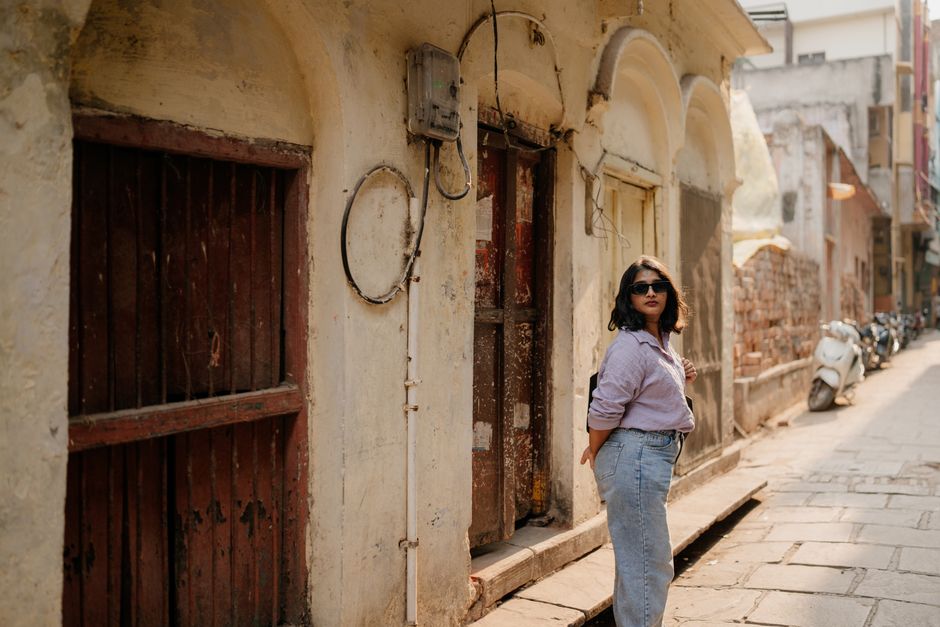
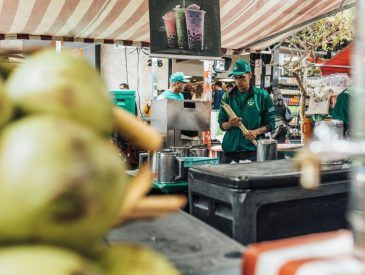
Street food is not the enemy. Some of the safest meals I’ve had in India came from street stalls. Some of the most dangerous came from hotel buffets.
The rule isn’t “avoid street food.” It’s avoid food that has been sitting.
At a busy stall, the chole bhature or dosa is made fresh, continuously, in front of you. The oil is boiling. The pan is hot. The turnover is high. That food is safer than a hotel buffet’s chicken curry that’s been sitting under a heat lamp for three hours.
What to look for:
- Crowds. Locals eating there? Good sign. Empty stall at lunch hour? Walk.
- Cooked in front of you. If you can see the pan, you can see how hot it is.
- No raw garnishes. That fresh coriander and chopped onion on top? It was washed in tap water. Ask for it without, or scrape it off.
- No cut fruit. Pre-cut papaya, watermelon, pineapple — skip it. The knife, the cutting board, the water used to rinse it: all suspect.
One exception: fruit you peel yourself. Bananas, oranges, pomegranates. The peel protects the inside. Buy them whole and peel them with clean hands.
3. The Buffet Trap Most Travelers Miss
Here’s the uncomfortable truth: hotel buffets cause more traveler’s diarrhea than street food does.
Why? Because food sits. The paneer tikka was cooked at 7 a.m. It’s now 11 a.m. It’s been in the “danger zone” (40°F–140°F) for hours. Bacteria doubles every 20 minutes in that range.
And the chutneys? The raita? The fresh salads? Those are raw, made with tap water, and sitting out at room temperature. That raita is a bacterial incubator.
If you’re eating at a hotel buffet:
- Eat early. The first 30 minutes of service is the safest window.
- Choose items that are visibly steaming hot or still on a live cooking station.
- Skip anything raw: salads, chutneys, cut fruit, yogurt-based sides.
- Skip the ice cream. Freezers in India sometimes lose power. Melted and refrozen dairy is a gamble.
4. What You Can Take Before and During the Trip
There’s no vaccine for traveler’s diarrhea. But there are two things with real evidence behind them.
Bismuth subsalicylate (Pepto-Bismol). The classic. Studies show taking two tablets four times daily reduces traveler’s diarrhea risk by about 60%. Downsides: black tongue, black stool, and you can’t take it for more than three weeks. For a two-week trip, it works. For a three-month trip, it’s not viable.
Dukoral. An oral vaccine available in Canada and Europe, not the US. It’s designed for cholera but offers partial protection against ETEC, the bacteria that causes most traveler’s diarrhea. You take two doses, one week apart, at least one week before departure. It’s not a guarantee, but it reduces severity.
Most travelers don’t need either. The rules in sections 1–3 prevent more illness than any pill.
5. If It Happens Anyway: The 24-Hour Plan
Even with perfect precautions, you might get sick. India’s microbial environment is different from what your gut is used to. Sometimes that’s enough.
Here’s what to do in the first 24 hours:
- Start oral rehydration immediately. Don’t wait until you’re dehydrated. Oral rehydration salts (ORS) packets cost pennies at any Indian pharmacy. Mix with bottled water. Drink after every loose stool.
- Take loperamide (Imodium) only if you must travel. If you have a 12-hour train ride, take it. If you’re staying in your hotel room, don’t. Loperamide stops the flushing process, which can trap bacteria inside and prolong the illness.
- Eat simple starch. Plain rice, bananas, plain toast. No butter, no spices, no dairy.
- Know when to get help. Blood in stool, fever above 101°F, or symptoms lasting more than 48 hours: see a doctor. India has excellent private clinics in major cities. A consultation costs $10–$30.
For moderate to severe cases, doctors in India commonly prescribe azithromycin (500mg once daily for 3 days). Some travelers bring a prescription from home as a backup. Talk to your doctor before you leave. This is not medical advice — consult a licensed physician.
6. The Comparison Table: Risk by Food Type
If you remember nothing else from this guide, remember this table. It ranks common foods by risk level, based on how they’re typically prepared and served.
| Food Item | Risk Level | Why | Verdict |
|---|---|---|---|
| Freshly fried pakoras or samosas | Low | Boiling oil kills bacteria; served immediately | Eat if hot and busy |
| Dosa or uttapam made to order | Low | Cooked on a hot griddle in front of you | Safe choice |
| Chai (hot tea) | Low | Water is boiled for several minutes | Safe; the milk is boiled too |
| Bottled water with intact seal | Low | Sealed at source | Safe; check the seal |
| Hotel buffet curry (sitting 2+ hours) | High | Bacteria multiplies in the danger zone | Avoid unless steaming |
| Raita or yogurt-based sides | High | Raw, made with tap water, sits at room temp | Skip it |
| Fresh salads and chutneys | High | Raw vegetables washed in tap water | Skip it |
| Cut fruit from street vendors | Very High | Knife, board, and rinse water all suspect | Never eat |
| Ice in drinks | High | Usually made from tap water | Ask for no ice |
| Lassi (yogurt drink) | Medium | Made with curd and water; quality varies widely | Only from busy, reputable shops |
Print this or screenshot it. When you’re standing in front of a food stall at 9 p.m., hungry and tired, you won’t remember the nuance. You’ll remember the table.
7. The Mental Game: Fear vs. Respect
Some travelers arrive in India terrified of everything. They eat only packaged biscuits for two weeks. They miss the entire food culture. They leave having “survived” India instead of experiencing it.
That’s not the goal.
The goal is informed confidence. You understand the risks, you know which foods are safe, and you eat accordingly. You eat the dosa. You drink the chai. You skip the raita and the cut fruit. You brush your teeth with bottled water without thinking about it.
India’s food is one of the greatest culinary experiences on earth. Avoiding it entirely is a different kind of failure. The rules above aren’t about fear. They’re about respect for how food works in a different microbial environment.
Traveler’s diarrhea in India is common, but it’s not inevitable. The travelers who avoid it aren’t lucky. They’re disciplined. And discipline, unlike luck, is something you can pack.