 Thomas Lucas
 You’re standing at the trailhead near Killarney. The sky is the color of wet slate. The ground underfoot isn’t mud so much as a thin layer of soil suspended in water. Your boots from last season are already leaking at the toe crease. You have six hours of walking ahead.
This is the moment where boot choice stops being a gear preference and becomes the difference between a memorable hike and a miserable one. The two boots most hikers in Ireland, western Scotland, and coastal Norway end up comparing are the Merrell Moab 3 Waterproof and the Salomon X Ultra 4 GORE-TEX. Both cost around $150–$180. Both claim to keep water out. They are not the same boot.
This guide breaks down what actually matters when you’re walking through saturated ground for hours: how each boot handles water ingress, how the fit differs, what fails first, and which one I’d pick for specific wet-climate trails. No affiliate links. This is not legal advice — consult a licensed attorney if you have questions about liability on guided hikes.
The Real Difference: How Each Boot Handles Water
Waterproof hiking boots work on a simple principle: a membrane sits between the outer mesh and the inner lining. Water beads off the outside, sweat vapor escapes from inside. In theory. In practice, wet climates expose the weaknesses in this system fast.
Merrell Moab 3 Waterproof: The Membrane That Needs Care
The Moab 3 uses Merrell’s in-house waterproof membrane, not GORE-TEX. That’s a cost decision, not a performance one. The membrane does block water. I’ve stood in ankle-deep streams in the Moab 3 for 30 seconds without leaks. But the boot’s water resistance depends heavily on the DWR (durable water repellent) coating on the outer mesh. Once that coating wears off — usually after 3–4 months of regular use — the mesh absorbs water. The membrane still blocks it, but the boot gets heavy and cold. You feel like you’re walking in wet boots even when your socks are dry.
The Moab 3 weighs 1 lb 15 oz (about 880 g) per pair in men’s size 10. The toe cap is rubber. The heel is stiff. The boot feels substantial.
Salomon X Ultra 4 GORE-TEX: Lighter, But Thirstier Mesh
The X Ultra 4 uses a genuine GORE-TEX membrane. That’s the same membrane used in Arc’teryx jackets and Asolo boots. It’s a known quantity. The boot weighs 1 lb 8 oz (about 680 g) per pair — noticeably lighter than the Moab. The outer mesh is more open, which means better breathability in dry weather but faster water absorption in wet conditions. Once the mesh is soaked, the boot feels wet on the outside, but the GORE-TEX keeps your foot dry. The problem: GORE-TEX needs pressure to work. Standing still in a puddle? Fine. Walking through wet grass for hours? Eventually, water works its way through the ankle collar and tongue gusset. No membrane boot is fully waterproof at the ankle.
For wet climates specifically, the Salomon’s lower weight is an advantage when you’re lifting boots out of mud for hours. The tradeoff is durability. More on that below.
Fit Differences That Matter More Than Specs
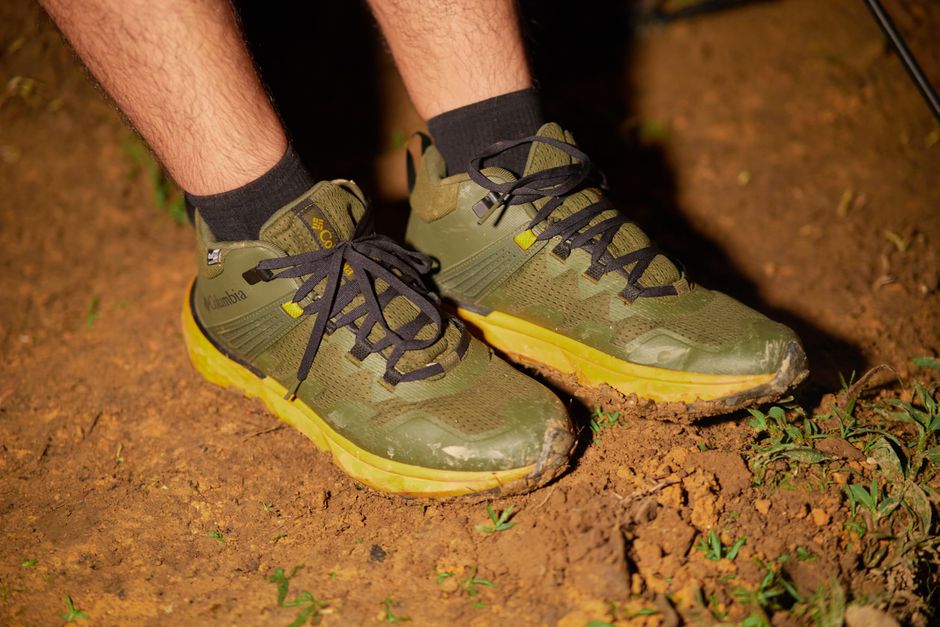
A waterproof boot that doesn’t fit is just an expensive bucket. Fit is where most buyers go wrong. They order based on brand loyalty or online reviews without understanding how each boot’s last (the foot-shaped mold) differs.
Merrell Moab 3: Wide, Forgiving, Break-In Optional
The Moab 3 has a roomy toe box. If you have wide feet, bunions, or just hate the feeling of your toes being squeezed, this is the safer choice. Merrell sells the Moab 3 in wide sizes (2E) for both men and women. The boot feels comfortable out of the box. No real break-in period. The heel cup is padded but not locked down. On steep descents, your heel may lift slightly. That’s the tradeoff for the wide fit.
The Moab 3 runs true to size for most people. If you’re between sizes, size up. Wet-climate hikers often wear thicker wool socks, and the Moab’s wide toe box accommodates that.
Salomon X Ultra 4: Narrow, Locked-In, Needs Patience
The X Ultra 4 fits like a trail runner with ankle support. The heel is snug. The midfoot is held firmly. The toe box is narrower. If you have wide feet, the standard width will feel tight within an hour. Salomon makes a wide version, but it’s harder to find in Europe. The boot needs 10–15 miles of break-in before the heel cup softens. Before that, expect some rubbing at the Achilles.
The advantage: on technical terrain, the Salomon feels precise. You know exactly where your foot is. On wet rock, that matters. The Moab feels vague by comparison.
What Fails First in Wet Climates
This is the section that separates marketing from reality. Both boots will eventually fail. The question is how and when.
| Failure Point | Merrell Moab 3 Waterproof | Salomon X Ultra 4 GORE-TEX |
|---|---|---|
| Toe crease leaks | Typically after 6–9 months of heavy use | Typically after 8–12 months, but harder to spot early |
| DWR coating wear | Noticeable after 3–4 months; mesh absorbs water | Noticeable after 2–3 months; mesh is more absorbent |
| Sole delamination | Rare; Vibram outsole is well-bonded | More common; reports of toe cap peeling on rocky trails |
| Ankle collar wear | Padding compresses but doesn’t tear | Mesh at collar frays faster with frequent on/off |
| Lacing system | Traditional eyelets; reliable | Quick-lace system; cord can snap after 1–2 years |
The Moab’s failure mode is gradual. You notice the boot getting heavier, the DWR wearing off, the membrane eventually letting water through at the toe crease. The Salomon’s failure mode is more sudden. The quick-lace cord snaps. The toe cap peels. The boot still functions, but it looks and feels broken.
For wet climates, I’d rather deal with the Moab’s gradual decline. You can reapply DWR spray (Nikwax or Grangers) and extend the boot’s useful life. The Salomon’s failures are harder to fix on the trail.
When Not to Buy Either Boot
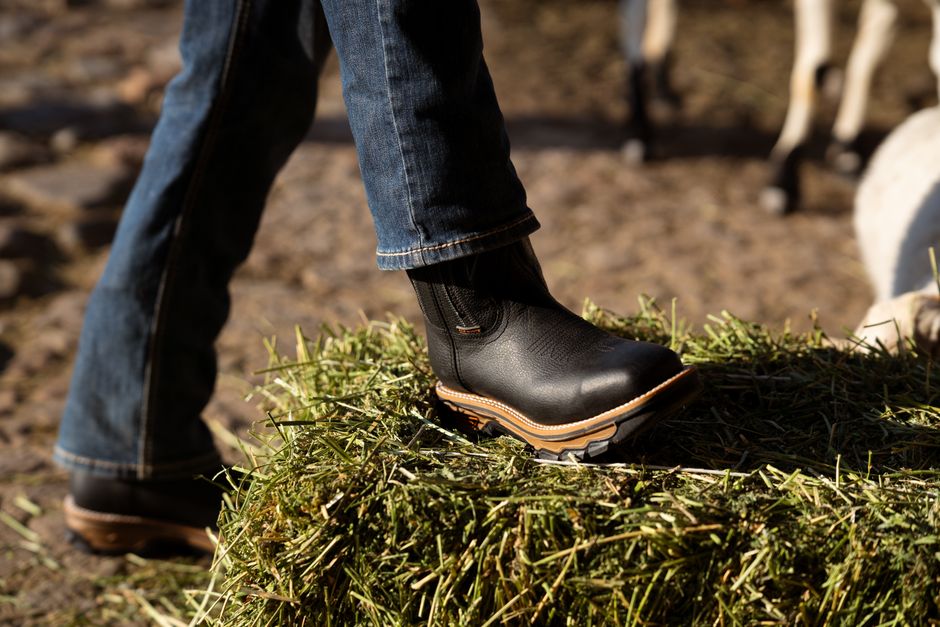
Both boots are mid-weight waterproof hikers. They are not the right tool for every wet-climate situation. Here’s where you should look elsewhere.
- You’re hiking in sustained rain for multiple days. No membrane boot dries overnight in a tent. Consider leather boots like the Zamberlan 996 Vioz GTX ($320) or the Asolo TPS 520 GV ($310). Leather absorbs less water initially and can be waxed. The tradeoff: weight and break-in time.
- You’re crossing streams deeper than ankle height. Waterproof boots fill with water if submerged. You need quick-draining trail runners or approach shoes. The Altra Lone Peak 8 ($140) drains fast and dries in 30 minutes on a sunny rock. Your feet will be wet, but they won’t stay wet for hours.
- You’re hiking in boggy terrain with deep peat. Ireland’s blanket bogs will swallow any boot. Gaiters matter more than the boot itself. Pair either boot with Outdoor Research Rocky Mountain Low Gaiters ($45) to keep peat and water out of the ankle collar.
- You have very wide feet and need a wide size immediately. The Moab 3 wide is easier to find than the Salomon wide. If you can’t find either wide, try the Keen Targhee IV Waterproof ($165), which has an even wider toe box.
The biggest mistake I see: hikers buy waterproof boots for a summer trip to Ireland in July, then discover their feet are sweating more than it’s raining. Waterproof membranes trap heat. If temperatures are above 18°C (64°F) and rain is intermittent, you’re better off in non-waterproof trail runners with merino wool socks. Wet feet dry. Sweaty feet in waterproof boots stay wet for the entire hike.
My Verdict for 2026 Wet-Climate Hiking
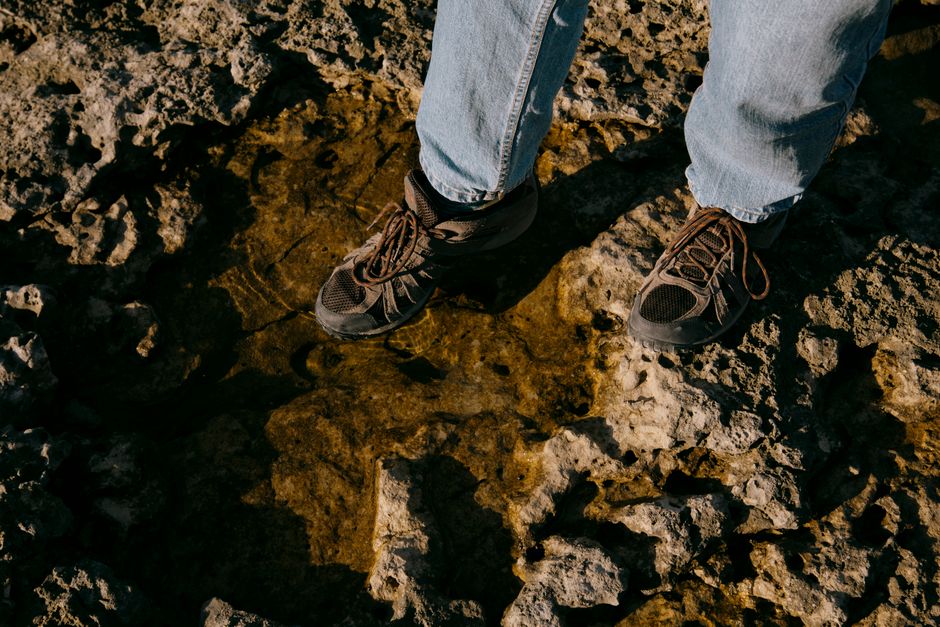
If you’re planning a hiking trip to Ireland, Scotland, coastal Norway, or anywhere with persistent drizzle and saturated trails, here’s the clear recommendation.
Buy the Merrell Moab 3 Waterproof if: you have wide feet, you want a boot that works out of the box, you’re doing moderate trails like the Wicklow Way or the Kerry Way, and you’re willing to reapply DWR spray every few months. The Moab is the more forgiving boot. It’s also the better value at $150.
Buy the Salomon X Ultra 4 GORE-TEX if: you have narrow feet, you’re doing more technical terrain like the Dingle Way’s coastal sections or Connemara’s rocky hills, and you value light weight over long-term durability. The Salomon is the more precise boot. It’s also the better choice if you hike in mixed wet and dry conditions, because the GORE-TEX breathes better than Merrell’s in-house membrane.
For most wet-climate hikers doing standard trails, the Merrell Moab 3 Waterproof is the better default choice in 2026. It’s cheaper, more durable in muddy conditions, and easier to fit. The Salomon wins only when technical precision and weight savings are the priority. Neither boot is a substitute for gaiters in deep bog, and neither boot dries overnight in a tent. Plan accordingly.