 Thomas Lucas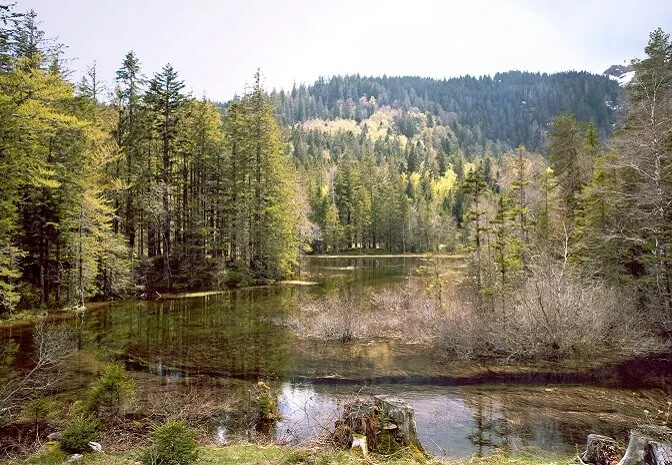
Imagine this: You are eyeing a picturesque spot by a Bavarian lake, tent packed, feeling ready for a serene escape. But then the questions hit. Are you actually allowed to pitch your tent here? What are the local rules? Where can you even park your vehicle? This guide cuts through the confusion, offering a step-by-step approach to ensure your German camping trip is not just legal, but truly enjoyable.
Understanding German Camping Laws: What’s Permitted?
Camping in Germany offers incredible access to nature, but strict rules govern where and how you can set up camp. Ignoring these regulations can lead to significant fines and disrupt local ecosystems. Knowing the legal landscape before you go is essential for a stress-free trip.
Wild Camping vs. Designated Sites
Let’s be clear: wild camping is largely prohibited in Germany. This means you cannot simply pitch a tent wherever you please in forests, fields, or by lakes. National parks, nature reserves, and private land are particularly strict. There are some exceptions, which are often called Biwakieren (bivouacking) or Freistehen (free standing for one night), but these are usually limited to emergency overnight stays without a tent, or in very specific, marked zones for a single night, often without fire. Always check local signs or municipality websites. For anything more than a short, emergency stop, you must use designated campsites.
Designated sites include traditional campgrounds (Campingplätze), motorhome parks (Stellplätze), and sometimes even farm stays (Bauernhofcamping). These sites provide the necessary infrastructure and are the only legal option for extended stays or setting up a full camp. The ADAC Camping Guide, a widely respected resource, lists thousands of approved locations, detailing facilities and prices.
Fines and Regulations
The penalties for illegal camping vary by state (Bundesland) and municipality, but they are not minor. Expect fines ranging from €100 to €500 or even higher for repeat offenses or significant environmental damage. Authorities, including local police and forest rangers, regularly patrol popular scenic areas. They are usually quite visible and will not hesitate to enforce the rules.
Beyond where you can camp, other regulations exist. Open fires are generally forbidden outside designated fire pits on official campsites. Noise levels, especially late at night, are also regulated. Most campsites enforce a quiet period (Nachtruhe) from 10 PM to 7 AM. Respecting these small rules makes a big difference in ensuring a pleasant experience for everyone.
Environmental Responsibility
Germany places a high value on environmental protection. When camping, your personal responsibility for nature is . This means leaving no trace behind: pack out everything you pack in, including all trash, food scraps, and even greywater. Use biodegradable soaps if washing dishes outdoors, and never dispose of human waste or toilet paper near water sources or trails. Stick to marked paths and avoid disturbing wildlife or plants. Consider your impact on sensitive ecosystems, especially in popular tourist regions like the Black Forest or the Baltic Sea coast.
Choosing Your German Campsite Type: Options Explained
Germany offers a diverse range of camping experiences. Selecting the right type of site ensures your trip aligns with your preferences, whether you crave solitude or full amenities. Understanding the differences helps you book accurately.
| Campsite Type | Description | Typical Cost (per night for two) | Key Facilities |
|---|---|---|---|
| Campingplatz | Traditional full-service campgrounds, ideal for tents, caravans, and motorhomes. Many have playgrounds, restaurants, and shops. | €25 – €50 | Showers, toilets, electricity, fresh water, waste disposal, often Wi-Fi, laundry, recreational areas. |
| Stellplatz | Designated parking spots primarily for motorhomes and campervans, often simpler than full campgrounds. Found in towns or scenic areas. | €10 – €25 (sometimes free) | Basic services like electricity, water, and waste disposal (often coin-operated). Showers less common. |
| Bauernhofcamping | Camping on a farm. Offers a unique, rustic experience, often with fresh produce available. Great for families. | €20 – €40 | Varies widely; usually basic showers/toilets, water, sometimes animal interaction or farm tours. |
| Naturcampingplatz | Focuses on natural settings, fewer amenities, and a quieter atmosphere. Often smaller and more remote. | €20 – €35 | Basic facilities; emphasis on nature, usually no pools or large entertainment. |
For families seeking convenience and activities, a larger Campingplatz in Bavaria or along the Moselle River might be perfect. If you are touring with a motorhome and prefer a different town each night, Stellplätze offer flexibility and affordability. Each type caters to specific needs, so check the details carefully when booking. Apps like Park4Night are invaluable for locating Stellplätze and smaller, off-the-beaten-path options.
Essential Gear Checklist for German Campsites
Packing smart for German camping means prioritizing efficiency and adaptability. The weather can change quickly, from sunny days to cool, rainy evenings. A well-organized kit ensures comfort and readiness for various conditions.
Shelter and Sleep Systems
Your shelter is key. A reliable, waterproof tent with a good hydrostatic head rating (at least 2000mm for the flysheet, 5000mm for the groundsheet) is non-negotiable. Consider a tent that offers enough space for your gear inside, especially if rain is forecast. For sleeping, a sleeping bag rated for comfort down to 0-5°C (32-41°F) is a safe bet, even in summer, as nights can be cool. A comfortable sleeping mat or air mattress insulates you from the cold ground and provides crucial cushioning. Don’t forget a small pillow or a stuff sack to use as one.
Cooking and Hydration
Even if your campsite has a restaurant, having a portable cooking setup offers flexibility. A compact camping stove (gas cartridge stoves are common and easy to use) with enough fuel is essential. Bring a small pot, a frying pan, and basic utensils. A sturdy water bottle or hydration bladder is critical for day trips. Access to fresh, potable water is generally excellent at German campsites, but having a filter or purification tablets for emergency backcountry use is a good precaution if you plan any extensive hiking away from taps. Pack reusable cutlery, plates, and cups to reduce waste.
Navigation and Safety
While many German trails are well-marked, having reliable navigation is still important. A smartphone with downloaded offline maps (Google Maps, Komoot, Outdooractive are popular) is useful, but a traditional map and compass provide a fail-safe. A power bank for charging electronics is a must. A first-aid kit, tailored to your trip’s length and activities, is non-negotiable. Include basics like pain relievers, bandages, antiseptic wipes, blister treatment, and any personal medications. A headlamp or flashlight with spare batteries is vital for navigating the campsite at night or for early morning starts. A multi-tool can solve many small problems, from opening cans to minor repairs.
Booking Your Spot: Platforms and Peak Seasons
Securing your campsite in Germany often requires some foresight, especially if you plan to visit popular regions or during peak travel times. Planning ahead prevents disappointment and unnecessary stress.
When should I book for popular regions?
For popular camping destinations like the Bavarian Alps, the Baltic Sea coast, or areas around major lakes (e.g., Lake Constance), booking well in advance is crucial. This means at least 3-6 months ahead for summer holidays (July-August) and national long weekends. Easter, Pentecost (Whitsun), and German school holidays also see a surge in demand. Many campsites open their booking calendars up to a year in advance. For less sought-after regions or off-peak travel, 1-2 months out might be sufficient. If you are touring and have flexibility, booking a few days ahead can work, especially for Stellplätze, but never rely on finding a spot for a large group or specific amenities last minute during high season.
Which booking apps or websites are best?
Several excellent resources help you find and book campsites. The official ADAC Camping Portal is a gold standard, offering comprehensive listings, reviews, and direct booking links for thousands of German campgrounds. Camping.info is another robust platform with extensive filters and user reviews. For motorhome users, Park4Night is indispensable. It shows a vast network of Stellplätze, official campsites, and even unofficial (but tolerated) overnight parking spots, often with photos and recent comments from other users. Many individual campsites also have their own booking systems directly on their websites, which can sometimes offer better rates or more specific pitch selections.
How do I handle last-minute plans?
If spontaneity is your style, last-minute camping in Germany is possible but requires flexibility. Focus on less touristy regions, smaller family-run campgrounds (Bauernhofcamping), or look for Stellplätze which often operate on a first-come, first-served basis. Use apps like Park4Night for real-time availability updates or simply drive to an area and look for signs. Many smaller villages will have local tourist information offices that can point you to available spots. Have a backup plan, such as a list of hotels or guesthouses in the vicinity, just in case. Avoid arriving late in the evening without a confirmed spot, particularly during peak season, as many gates close and reception offices shut down.
Navigating German Roads with a Camping Setup
Driving through Germany with a caravan or motorhome is generally straightforward due to excellent road infrastructure. However, you must be aware of specific rules and challenges that come with a larger vehicle. It is generally easier to navigate German roads with a camping setup than in many other European countries, thanks to well-maintained highways and clear signage.
Speed Limits and Tolls
Germany is famous for its autobahns, but speed limits apply to vehicles towing a caravan or driving a large motorhome. For vehicles over 3.5 tons (including motorhomes) or cars towing a trailer, the general speed limit on autobahns is 80 km/h (50 mph). On country roads, it is typically 80 km/h, and within towns, 50 km/h. Always pay attention to road signs, as these can override general limits. There are no general tolls for passenger cars on German autobahns, but commercial vehicles (including some larger motorhomes over 7.5 tons) might be subject to a truck toll (Maut). Most private campers will not need to worry about this, but check your vehicle’s specifications if you are unsure.
Parking and Maneuvering
Parking a large camping vehicle in German cities or smaller towns can be a challenge. Public parking spaces are often designed for standard cars, and many historical centers have narrow streets or restricted access zones. Look for designated motorhome parking (often marked as P+R Stellplatz or similar) on the outskirts of towns, which usually offer shuttle services or public transport links to the center. When driving through villages, be cautious of tight turns and low-hanging branches. Always use a spotter when reversing or maneuvering in confined spaces. GPS systems specifically designed for large vehicles can be incredibly helpful, as they factor in height, weight, and length restrictions.
Camping Etiquette and Local Customs
When camping in Germany, remember that quiet respect is valued. Keep noise to a minimum, particularly during designated quiet hours, and always greet your neighbors. A simple ‘Guten Tag’ goes a long way.
Managing Waste and Staying Green on Your Trip
Maintaining Germany’s pristine natural environment relies heavily on responsible waste management from campers. It’s not just about compliance; it’s about preserving the beauty you came to enjoy. Germany has some of the most rigorous waste separation systems in the world, and embracing them during your camping trip is a simple way to contribute positively.
Proper Waste Separation
You will encounter different colored bins at campsites and public recycling centers across Germany. Familiarize yourself with the system: Yellow bins (or bags) are for packaging waste (plastic, metal, composite materials like milk cartons). Blue bins are for paper and cardboard. Green or brown bins are for organic waste (food scraps, garden waste). White, green, and brown glass bins are for clear, green, and brown glass bottles respectively. Often, there will be a separate bin for residual waste (Restmüll). Never mix your waste. Many supermarkets also have collection points for ‘Pfand’ bottles and cans – these have a deposit (usually €0.08, €0.15, or €0.25) which you get back when you return them. Take advantage of this system; it’s easy money back and helps recycling efforts.
Water Conservation
While Germany generally has ample water resources, using water sparingly is still a good practice. Showers on campsites might be coin-operated or timed, encouraging shorter washes. When doing dishes, use a basin and dispose of greywater (dishwater) at designated points, not directly onto the ground or into storm drains. Never leave taps running unnecessarily. Even small actions, like turning off the water while brushing your teeth, collectively make a difference. Conserving water reduces the energy needed for treatment and distribution, lowering your overall environmental footprint.
Reducing Your Footprint
Beyond waste separation and water conservation, consider other ways to minimize your environmental impact. Opt for local produce from nearby farms or markets, supporting the local economy and reducing transport emissions. Walk or cycle when possible instead of driving short distances from your campsite. Use reusable bags, containers, and coffee cups. Avoid single-use plastics wherever you can. When packing, think about durable, long-lasting gear instead of disposable items. Remember that quiet enjoyment of nature is part of the German camping ethos. Leave natural spaces as you found them, or even better, by picking up any litter you might encounter. This mindful approach ensures Germany’s beautiful landscapes remain accessible and pristine for everyone, for years to come.
By following these steps, that serene spot by the Bavarian lake becomes more than just a dream. You will arrive prepared, respectful, and ready to truly enjoy Germany’s breathtaking outdoors without a hitch, making memories that last a lifetime.