 Thomas Lucas
The common mistake is packing for a dramatic downpour and forgetting the slow, annoying problems: wind that turns a short shower into a cold ride, a lock that is too small for the bike rack, and lunch that gets crushed before the first canal appears. A Dutch bike day needs less clothing than most visitors expect, but every item must earn its place.
After years of riding in the Netherlands, I pack around three risks: staying dry enough to enjoy the route, securing the bicycle during café and museum stops, and eating before hunger makes every hill feel personal. The list below is built for a full day out, not a race.
Rain cape or jacket: what works best on Dutch cycle paths?
My rain-cape pick for ordinary sightseeing
For a relaxed day with a city bike, I would choose the VAUDE Covero II rain poncho. It weighs about 295 grams, costs roughly €68, has an adjustable hood, reflective details, two side openings, hand loops, and a front pocket that doubles as a stuff pocket. The loose cut covers the handlebars and your upper legs better than a short jacket, and it goes on in seconds when the sky changes. It is the best choice for visitors who sit upright, ride at a moderate pace, and want coverage without carrying a full cycling wardrobe.
- Keep the hood snug enough to turn your head safely at junctions.
- Wear quick-drying trousers instead of cotton jeans, which stay cold after a shower.
- Put your phone and passport in a sealed inner pouch even when the cape claims to be waterproof.
When a jacket is the better buy
Choose the Patagonia Torrentshell 3L instead if you plan long exposed rides, faster cycling, or several days of mixed weather. The jacket breathes better during hard effort and will still be useful after the trip, but it leaves your thighs and handlebar area exposed, so add full-length mudguards or accept wet knees. My verdict is simple: the VAUDE wins for sightseeing and rental bikes; the Patagonia wins for a serious 50-kilometre day where control and ventilation matter more than total coverage.
Which locks should you pack for a Netherlands bike day?
Use one serious U-lock for the frame
Bike theft is a practical concern, not a reason to skip cycling. For an expensive rental e-bike or your own touring bike, the ABUS GRANIT XPlus 540/160HB230 is my strongest pick in this group. It has a hardened 13-millimetre shackle, a 230-millimetre height, a double-locking mechanism, and a weight of roughly 1.65 kilograms; the usual price is around €100-€125, depending on the market. The size lets you reach a proper fixed object more easily than a tiny travel lock, and the bracket keeps it on the frame instead of inside your lunch bag.
The lock only works when you use it well. Pass the shackle through the frame and the rear wheel, then attach the bike to a solid rack or post; locking only the front wheel protects the easiest part to remove. Leave as little empty space inside the shackle as possible, keep the key in a zipped pocket, and check that the rack itself is anchored before you walk away.
Add a cable only for the second wheel
The Kryptonite Evolution Mini-7 with its 4-foot flex cable is a sensible lighter alternative for riders who want one compact system. The cable helps secure the front wheel, but it is not the part I would trust as the only theft barrier. For a valuable bike, the ABUS has the stronger stand-alone case; for a normal rental bike parked briefly outside a café, the Kryptonite is easier to live with and still gives you a clear locking routine.
Do not bring two tiny combination locks just because they weigh less. They add delay but little resistance, and forgotten combinations create more stress than security. My verdict is an ABUS U-lock for a costly bike, a Kryptonite Evolution Mini-7 for a mid-range rental, and a second cable only when it protects a wheel rather than pretending to replace the main lock.
What should you avoid packing for a full cycling day?
Remove these four common mistakes
- Too many clothes: One base layer, one warm layer, and one waterproof layer cover most spring, summer, and early autumn rides. A spare T-shirt is useful; three sweaters are not.
- A loose backpack: A large soft pack makes your back sweaty and shifts when you look over your shoulder. Use a small stable bag, a pannier, or a bag strapped low and tight.
- Lunch that cannot survive movement: Soft pastries, open yogurt, and tall bottles leak or collapse. Choose food that can sit for several hours and wrap it in a rigid container or sealed bag.
- One lock shared by a group: Passing one key around at every stop slows the group and makes someone leave a bicycle unsecured. Each costly bike needs a clear owner and locking job.
Make the bag easy to use while standing
Before leaving, place the rain layer, tissues, phone battery, and a small snack where you can reach them without taking the bag off. Put dry socks and spare clothes in the deepest section, and keep lunch separate from anything wet or oily. A simple packing order saves more time than a clever gadget because Dutch weather can change while you are stopped at a bridge or waiting for a ferry.
Skip bulky camping equipment unless you are sleeping outdoors. For a day ride, you need comfort during stops, not a miniature expedition kitchen. The best packing decision is often the item you leave at the hotel.
What should lunch and daily storage look like?
How much food is enough for one bike day?
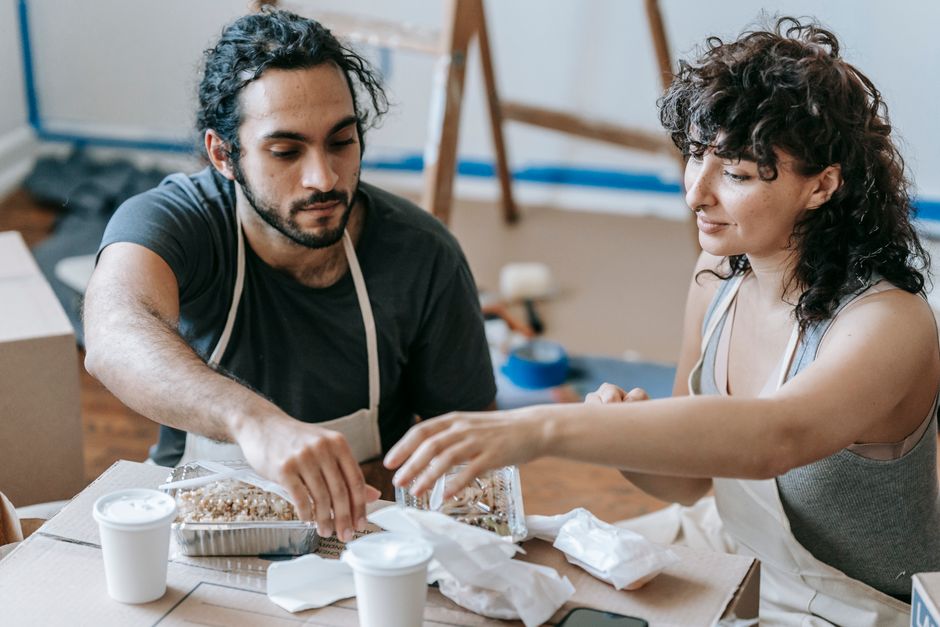
Pack one proper meal and two small backups rather than relying on a perfect café schedule. My usual formula is a filled roll or sandwich, a piece of fruit, something salty, and at least 750 millilitres of water per person, with another bottle added on warm days or long rural routes. Buy the main sandwich in the morning, keep one snack accessible, and save the sweet item for the final third of the ride when energy drops. This approach handles closed cafés, long stretches between villages, and the occasional restaurant that is full of tour groups.
Is a pannier better than a backpack?
For a full day, yes: keep the load off your shoulders whenever the bike allows it. It is more bag than most riders need, but its waterproof construction and quick conversion make it useful beyond one holiday.
If your rental bike has no pannier rack, use a small backpack and keep the contents below 4 kilograms. Do not fill every litre simply because the space exists; empty capacity invites unnecessary clothing, cameras, and souvenirs before lunch. The ORTLIEB is the clear winner for frequent bike-and-walk travel, while a compact backpack is the smarter choice for one casual rental day.
What is the final packing order?
Put the lock closest to the bike side of the bag, lunch in a separate sealed section, and the rain layer on top. Add a small first-aid kit, tissues, payment card, offline route map, spare glasses if you wear them, and a few tissues for wet saddles. That is enough for most routes from Amsterdam, Utrecht, Haarlem, Delft, or smaller towns, and it leaves room for the one souvenir you will actually want to carry home.
Takeaway: Pack light around one reliable rain layer, one serious frame lock, and lunch that stays edible after hours on a moving bicycle.