 Thomas Lucas
Roughly 1 in 4 travelers report feeling significant anxiety before a solo trip. I was one of them. My first solo international trip was Japan, and for three weeks before departure, I almost canceled twice. The fear wasn’t about safety—it was about being alone with my own thoughts in a place where I couldn’t read the signs. That trip rewired how I approach travel. Here’s what actually worked, step by step.
The Pre-Trip Anxiety Protocol That Kept Me From Canceling
Most solo travel anxiety peaks before you leave. The mind creates worst-case scenarios that feel real but rarely match reality. I built a simple pre-departure system that cut my anxiety by about 70% before I even got on the plane.
Book the First 48 Hours Completely
I booked my first two nights at the JR Kyushu Hotel Blossom Shinjuku in Tokyo (about $120/night). Not because it was fancy, but because it was directly connected to Shinjuku Station. The hotel had English-speaking staff, a clear check-in process, and a konbini (convenience store) on the ground floor. That meant my first 48 hours required zero decision-making. I knew exactly where I was sleeping, where to buy food, and how to get back if I got lost. This single decision removed the scariest part of solo travel: the arrival disorientation.
Download These Apps Before You Land
- Google Translate with Japanese downloaded offline. The camera translation feature works on menus and signs even without data.
- Japan Official Travel App (free) for train routes and platform numbers. It tells you exactly which exit to take from subway stations.
- Payke (free) for scanning Japanese product barcodes and getting English ingredient lists. Useful for food allergies or dietary restrictions.
- Klook for booking airport transfers and SIM cards before arrival. I pre-booked an eSIM from Airalo (10GB for $18, 30 days) so I had data the moment I landed.
Having these tools ready meant I never had to ask a stranger for help unless I wanted to. That’s the key distinction: solo travel anxiety drops when asking for help becomes optional, not mandatory.
Why Japan Is the Best First Solo Trip for Anxious Travelers
I’ve since traveled solo in Italy, Mexico, and New Zealand. Japan was the easiest by a wide margin. The infrastructure is designed for people who don’t speak Japanese. Train signs are in English. Station numbers are color-coded. Vending machines sell everything from hot coffee to full meals. You can go an entire day without speaking to anyone if that’s what you need.
But the real reason Japan works for anxious solo travelers is the cultural permission to be alone. Eating alone at a ramen counter is normal. Sitting alone in a park is normal. No one looks at you strangely. In many Western countries, solo dining can feel like a spotlight moment. In Japan, it’s just Tuesday.
The Solo Dining Test
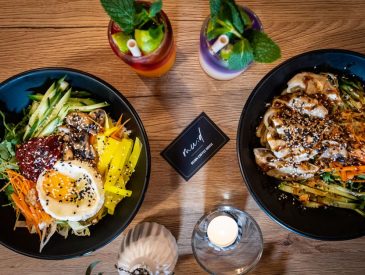
My first solo meal was at Ichiran Ramen in Shinjuku. The ordering process is fully automated: you buy a ticket from a vending machine, sit in a solo booth with dividers, and never speak to a human. It felt like training wheels for solo dining. By day three, I was eating at counter seats in small family-run places, ordering by pointing at plastic food displays. The progression was natural, not forced.
The Exact 7-Day Itinerary That Balanced Structure and Freedom
Too much structure feels like a tour bus. Too little feels like drowning. My itinerary was built around one anchor activity per day, with the rest left open for wandering. This gave me a reason to leave the hotel each morning without the pressure of a packed schedule.
| Day | City | Anchor Activity | Anxiety Level (1-10) |
|---|---|---|---|
| 1 | Tokyo (Shinjuku) | Walk to Tokyo Metropolitan Government Building observation deck (free, no reservation) | 7 |
| 2 | Tokyo (Asakusa) | Senso-ji Temple early morning, then Nakamise shopping street | 6 |
| 3 | Tokyo (Shibuya) | Shibuya Crossing from the Starbucks on the second floor of Tsutaya building | 5 |
| 4 | Kyoto | Shinkansen (bullet train) from Tokyo Station, then Fushimi Inari Shrine at dusk | 4 |
| 5 | Kyoto | Arashiyama Bamboo Grove at 6:30am before crowds | 3 |
| 6 | Kyoto | Kiyomizu-dera Temple, then walk down Sannenzaka and Ninenzaka streets | 2 |
| 7 | Tokyo | Return to Tokyo, TeamLab Planets (pre-booked ticket, timed entry) | 2 |
By day four, my anxiety dropped from a 7 to a 4. The pattern was consistent: each successful solo navigation—buying a train ticket, ordering food, finding a temple—built a small deposit of confidence. By day seven, I felt genuinely comfortable being alone in a foreign city.
What Nobody Tells You About Solo Travel Anxiety
The anxiety doesn’t disappear when you land. It transforms. The pre-trip anxiety is about the unknown. The on-trip anxiety is about specific moments: getting lost, missing a train, looking foolish. Those moments will happen. I got on the wrong train twice. I walked into a restaurant that was clearly not open to tourists and had to awkwardly back out. I stood in front of a ticket machine for five minutes trying to figure out which button meant “round trip.”
Here’s the shift: those moments are not failures. They are the trip. Solo travel anxiety is not a problem to solve before you leave. It’s a skill you build by doing the thing you’re afraid of. The fear is the teacher. Every time you get lost and find your way back, you’re not just navigating a city—you’re proving to yourself that you can handle discomfort. That’s the actual point of solo travel.
When NOT to Force a Solo Trip
Solo travel is not therapy. If you’re dealing with severe anxiety, depression, or panic attacks, a solo international trip can make things worse. The isolation can amplify negative thought loops. The lack of a support system in a crisis is real. Japan is safe, but it’s not a substitute for professional help.
I’d also caution against a solo trip if you’ve never traveled anywhere alone domestically. Start with a weekend in a city two hours from home. Eat alone at a restaurant. Navigate public transit. If those feel manageable, then consider international solo travel. Japan is a great first international solo destination, but it shouldn’t be your first solo experience, period.
Three Mental Shifts That Made the Difference
Beyond logistics, three mindset changes turned my anxiety from a wall into a door.
Shift one: Lower the stakes. I told myself this trip was an experiment, not a once-in-a-lifetime adventure. If I hated it, I could fly home early. That permission removed the pressure to have a transformative experience. Ironically, removing the pressure allowed the transformation to happen.
Shift two: Replace “what if” with “even if.” What if I get lost? Even if I get lost, I have Google Maps and a charged phone. What if I feel lonely? Even if I feel lonely, I can call a friend or sit in a park and people-watch. What if I make a fool of myself? Even if I do, no one here will ever see me again. This reframe doesn’t eliminate fear—it makes it survivable.
Shift three: Schedule one social interaction per day. For me, this was often just saying “arigatou gozaimasu” to a konbini clerk or asking a station attendant for directions I didn’t really need. Small, low-stakes interactions kept me from retreating into total isolation. They reminded me that people are generally kind and helpful, even when you don’t share a language.
The Tools I’d Buy Again (and What I’d Skip)
I traveled with a 35L backpack (the Osprey Farpoint 40, $185) and a small daypack. The Osprey was the right size—big enough for a week of clothes, small enough to carry on trains without bumping people. I packed three pairs of socks, three shirts, one pair of pants, and did laundry once at a coin laundry in Kyoto (400 yen for wash and dry).
What I’d skip: the travel pillow, the extra pair of shoes, and the physical phrasebook. The pillow was bulky and I never used it. The phrasebook was dead weight—Google Translate did everything better. The extra shoes took up space I needed for souvenirs.
What I’d buy again: the Airalo eSIM ($18 for 10GB), a Anker PowerCore 10000 power bank ($25), and a SUICA card (now called Welcome Suica for tourists, 500 yen deposit). The SUICA card works on trains, buses, vending machines, and konbini payments. It removed the friction of buying individual tickets every time I moved.
Solo travel anxiety is manageable. It requires preparation, the right destination, and a willingness to feel uncomfortable. Japan gave me the structure to practice being alone without being lonely. That’s the whole game.