 Thomas Lucas
 Kyoto receives 50 million tourists a year, but most of them crowd into the same five spots between 10 AM and 3 PM. The fix isn’t spending more money. It’s spending money on the right transport pass and waking up earlier than the tour buses.
This itinerary assumes a mid-range budget of ¥18,000 per day (about $120 USD). That covers a private room in a business hotel, two restaurant meals, one convenience store snack, and all transport. You will not be staying in a capsule or eating instant noodles.
Day 1: The East Side Grid – Kiyomizu-dera and Gion
You land at Kansai Airport (KIX). Do not take a taxi. Take the JR Haruka Limited Express to Kyoto Station. It costs ¥3,600 and takes 75 minutes. If you have an ICOCA card, top it up with ¥10,000 at the airport. You will use this card for every local bus and train ride for the next week.
Check into a hotel near Kawaramachi Station. The Dormy Inn Premium Kyoto Ekimae runs about ¥9,500 a night and includes a hot spring bath and free ramen at 9:30 PM. That free ramen is the budget trick nobody talks about.
In the afternoon, walk to Kiyomizu-dera. The temple opens at 6:00 AM, but you are not going that early today. You are going at 4:00 PM. The tour buses have left by then. The wooden stage at sunset is a different experience than the 10 AM crush. Entry is ¥500.
Walk down Sannenzaka and Ninenzaka after the temple closes. The shops are still open. Buy a yatsuhashi cinnamon sweet from Nishiki Yatsuhashi for ¥600. Dinner is at Katsukura in Gion. A pork loin set is ¥1,800. It is the best fried pork in the city, and the cabbage and rice are free refills.
Day 2: Fushimi Inari Without the Crowds
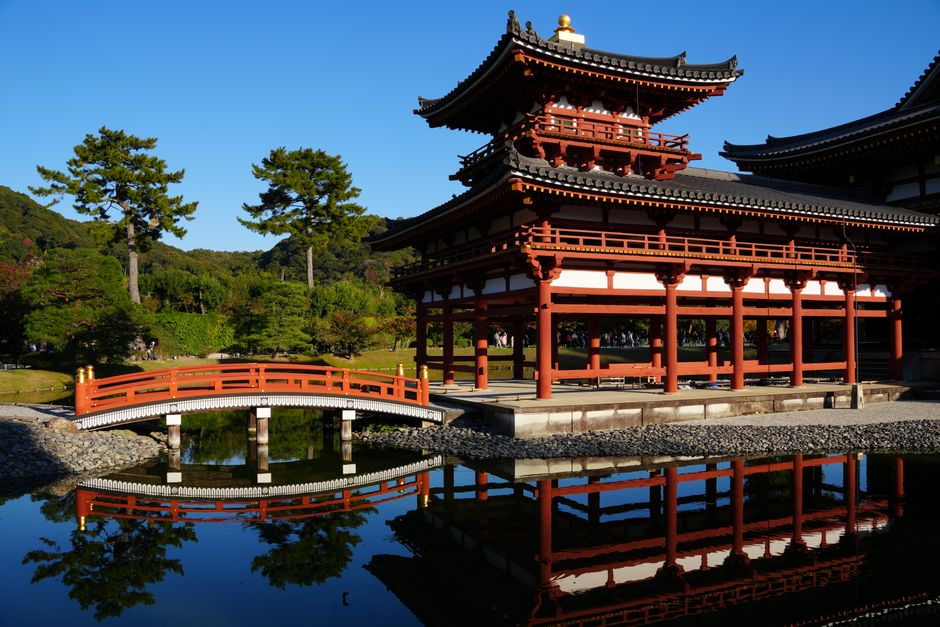
The secret to Fushimi Inari is not the secret bamboo path. It is the time you go. Go at 6:30 AM. The JR Nara Line from Kyoto Station to Inari Station costs ¥150 and takes 5 minutes.
The full loop to the summit takes 2 hours. Most people stop at the first photo spot and turn around. Keep walking. The torii gates thin out after the first 30 minutes. By the time you reach the summit at 233 meters, you will be alone.
Breakfast is at Vermillion Cafe at the base. A coffee and egg sandwich is ¥800. Or skip it and get a ¥150 onigiri from the 7-Eleven next to the station. I prefer the 7-Eleven. The tuna mayo is better than it should be.
Afternoon is for Tofuku-ji. It is one stop back toward Kyoto. The Hojo Garden costs ¥500 and has a rock garden that nobody sits in. You will have it to yourself. Dinner is at Ramen Sen no Kaze near the station. A bowl of tonkotsu is ¥950. Order the extra chashu.
Day 3: Arashiyama and the Monkey Park
Take the JR Sagano Line to Saga-Arashiyama Station. The bamboo grove is overrated before 8 AM. The light is flat. Go at 8:30 AM instead. Walk through the grove in 20 minutes. Then go to the Okochi Sanso Villa. Entry is ¥1,000 and includes a matcha tea and sweet. The garden is better than the bamboo grove and has zero crowds.
The Iwatayama Monkey Park is a 20-minute hike up a hill. Entry is ¥600. The monkeys are wild but habituated. You feed them from inside a cage while they sit on the roof. The view over Kyoto from the top is better than the view from the Kiyomizu stage.
Lunch is at Unagi Hirokawa. A grilled eel set is ¥3,500. It is the most expensive meal of the trip. It is worth it. If you want to save money, get the ¥1,500 tempura set at Yoshimura instead.
Day 4: Nara Day Trip
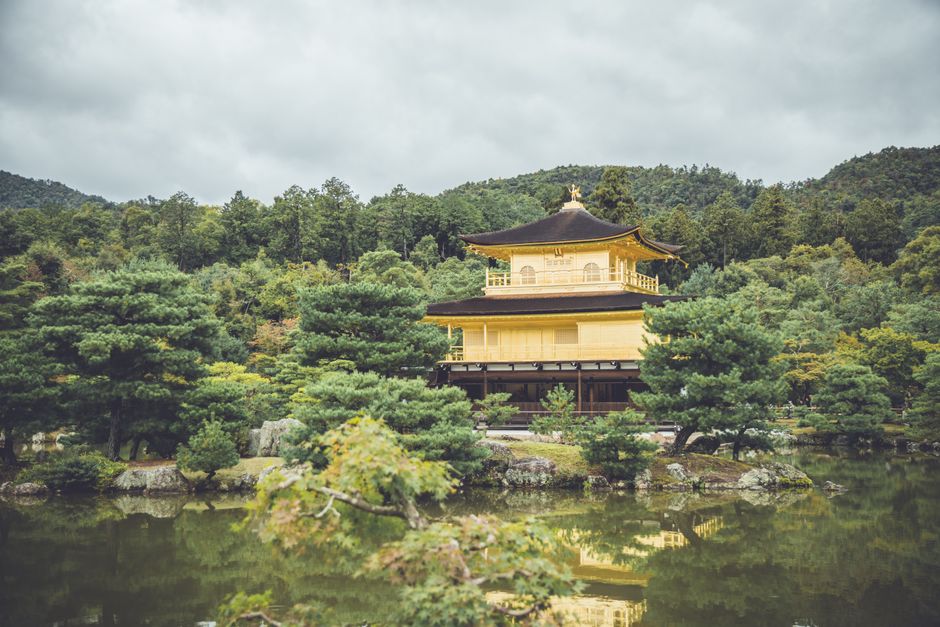
Nara is 45 minutes from Kyoto Station on the Kintetsu Line. A one-way ticket is ¥650. The Kintetsu Nara Station is closer to the park than the JR station. Walk to Nara Park. The deer are aggressive. Buy the ¥200 deer crackers and hold them above your head. The deer will bow. It is a trick. They will still headbutt you for the cracker.
The Todai-ji Temple is the largest wooden building in the world. Entry is ¥600. The Great Buddha inside is 15 meters tall. It is the single best sight in the Kansai region. Do not skip it.
Lunch is at Kamaiki in the Naramachi district. A set of udon with tempura is ¥1,100. The noodles are made fresh in the window. You can watch the chef cut them.
Back in Kyoto, dinner is at Gogyo. The burnt miso ramen is ¥1,200. The charred miso smell hits you before the bowl does. It is the most distinctive bowl of ramen in the city.
Day 5: The Imperial Palace and Nishiki Market
The Imperial Palace is free. You need to apply for a tour online in advance, or you can walk the outer gardens without a reservation. The Kyoto Imperial Palace tour is 50 minutes and covers the main hall and the waiting rooms for feudal lords. It is dry history. Skip it if you are not into it.
Nishiki Market is the kitchen of Kyoto. Go at 10 AM before the tour groups. The market is 400 meters long and has 130 shops. Eat the following: a ¥200 dashimaki tamago from Tanaka Keiran, a ¥500 grilled scallop from Kai, and a ¥300 soy milk donut from Konna Monja. Do not eat the octopus on a stick. It looks better than it tastes.
Afternoon is for the Kyoto International Manga Museum. Entry is ¥900. The building is a former elementary school. You can read manga in the old classrooms. It is a good place to sit down and rest your feet.
Day 6: Kurama to Kibune Hike
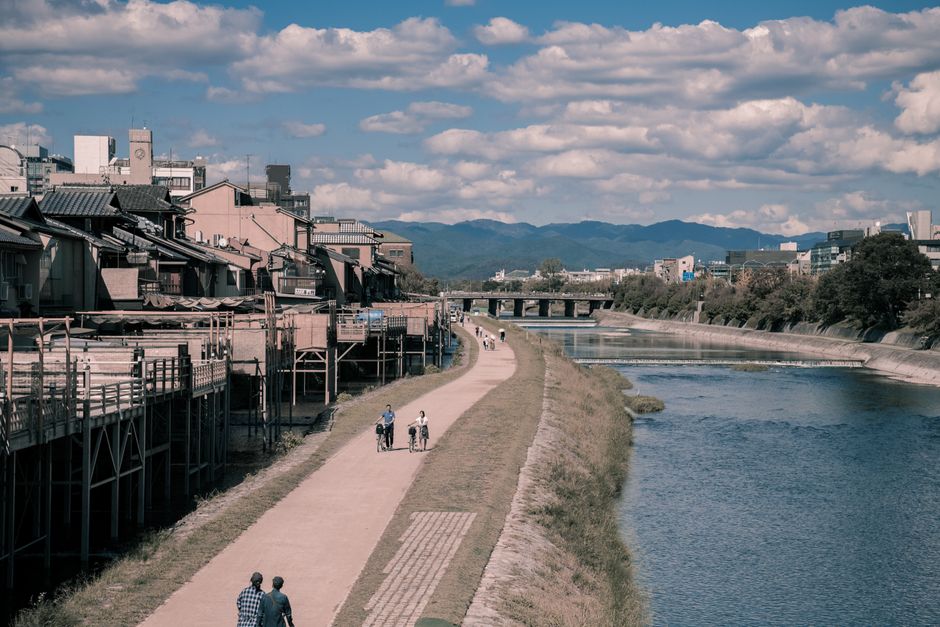
This is the best half-day hike in Kyoto. Take the Eizan Line from Demachiyanagi Station to Kurama. The one-way fare is ¥420. The hike from Kurama-dera to Kibune is 5 kilometers and takes 3 hours. The trail is steep in sections. Wear proper shoes.
The Kurama-dera Temple sits at the midpoint. Entry is ¥500. The main hall has a view over the valley. The cedar trees on this trail are 500 years old. The air is cooler than the city by 5 degrees.
Kibune is famous for kawadoko dining. Restaurants build platforms over the river. A lunch set at Hirobun is ¥3,000. The flowing somen noodles are a gimmick, but a fun one. Catch the noodles with your chopsticks before they float past.
Return to Kyoto and have a quiet dinner at Ippudo. A bowl of Shiromaru Motoaji is ¥850. It is a chain, but it is a good chain.
Day 7: The Philosopher’s Path and Silver Pavilion
The Philosopher’s Path is a 2-kilometer stone path along a canal. It is best in the morning before the sun gets hot. Start at the Silver Pavilion. Entry is ¥500. The sand garden is a cone of white sand. It is meant to represent Mount Fuji. It is smaller than you expect.
Walk south along the canal. Stop at Yojiya Cafe for a coffee. The cafe is attached to a 100-year-old cosmetics shop. A latte is ¥600. The latte art is a woman’s face. It is strange and specific.
The path ends at Nanzen-ji. The aqueduct here is a Roman-style brick structure built in 1890. It looks out of place in Kyoto. That is why it works. The Leaping Tiger Garden costs ¥600 and is worth it.
Final dinner is at Sumibi Torito. A yakitori set with 10 skewers is ¥2,500. Order the tsukune. It is a chicken meatball with a raw egg yolk. Dip it. You will miss this when you leave.
Budget Breakdown
| Category | Daily Cost (¥) | Notes |
|---|---|---|
| Hotel | 9,500 | Business hotel near Kawaramachi |
| Food | 4,500 | Two restaurant meals + snacks |
| Transport | 1,500 | ICOCA card top-ups |
| Attractions | 1,500 | Average ¥500 per temple |
| Buffer | 1,000 | Souvenirs, drinks, mistakes |
| Total | 18,000 | About $120 USD |
This budget assumes you are not drinking alcohol with every meal. If you want a beer with dinner, add ¥700 per drink. If you want to do laundry, a coin laundry machine is ¥400 per load.
The single most important takeaway: buy an ICOCA card on day one, top it up with ¥10,000, and never think about transport tickets again.