 Thomas Lucas
You’ve heard the stories. $10 a day. Beach bungalows for the price of a sandwich. Endless pad thai for pocket change. Then you open Instagram and see influencers ordering $14 smoothie bowls in Bali and $25 dorm beds in Koh Phangan. So which is it? Is backpacking Southeast Asia still actually affordable in 2026, or has the dream quietly died?
I spent the last three months digging through current prices, talking to people on the ground, and comparing notes with travelers who just came back. The honest answer is uncomfortable: yes, it’s still affordable, but not in the places you’ve been told to go. The banana pancake trail has a price tag now. The value has shifted. Here’s exactly where it went.
The $30-a-Day Question: What Backpacking Actually Costs Now
Let’s kill the myth first. The $10-a-day backpacker budget is dead. It’s been dead for a while, but 2026 buried it. Inflation hit Southeast Asia harder than most Western travelers realize. A bowl of noodle soup in Chiang Mai that cost 40 baht in 2019 now runs 70-80 baht. That’s still cheap by Western standards, but it’s double. Apply that math across accommodation, transport, and activities, and the old budgets fall apart.
Here’s what a realistic daily budget looks like in 2026 for a mid-range backpacker — someone who wants a private room occasionally, eats at proper restaurants, and doesn’t skip experiences to save $3:
| Country | Dorm Bed | Street Food Meal | Daily Budget (Comfortable) | Daily Budget (Frugal) |
|---|---|---|---|---|
| Thailand | $8-15 | $2-4 | $45-60 | $25-30 |
| Vietnam | $5-10 | $1.50-3 | $35-45 | $20-25 |
| Indonesia (Bali) | $10-20 | $2-5 | $50-70 | $30-35 |
| Laos | $6-12 | $2-4 | $40-50 | $25-30 |
| Cambodia | $5-10 | $2-4 | $35-50 | $22-28 |
| Malaysia | $8-14 | $2-5 | $45-55 | $28-32 |
These numbers come from current Hostelworld listings, recent traveler reports, and my own bookings. They’re not aspirational. They’re what you’ll actually pay.
The frugal numbers assume you’re cooking sometimes, skipping alcohol, and taking local buses. The comfortable numbers include a few beers, a tour or two, and the occasional Grab ride. Neither includes flights between countries.
Where the Money Actually Goes
Accommodation is the biggest line item that’s changed. Dorm beds in popular spots have doubled since 2026. A bed in a well-reviewed hostel in Pai or Ubud now costs $12-18. That used to get you a private room. The hostels themselves are nicer — better WiFi, proper mattresses, sometimes pools — but you’re paying for it.
Food is the second shock. Street food still exists and still delivers value, but you have to find it. The night markets in Chiang Mai now price for tourists. The local market three blocks away still charges local prices. The difference is knowing which is which.
Thailand Is No Longer the Budget King
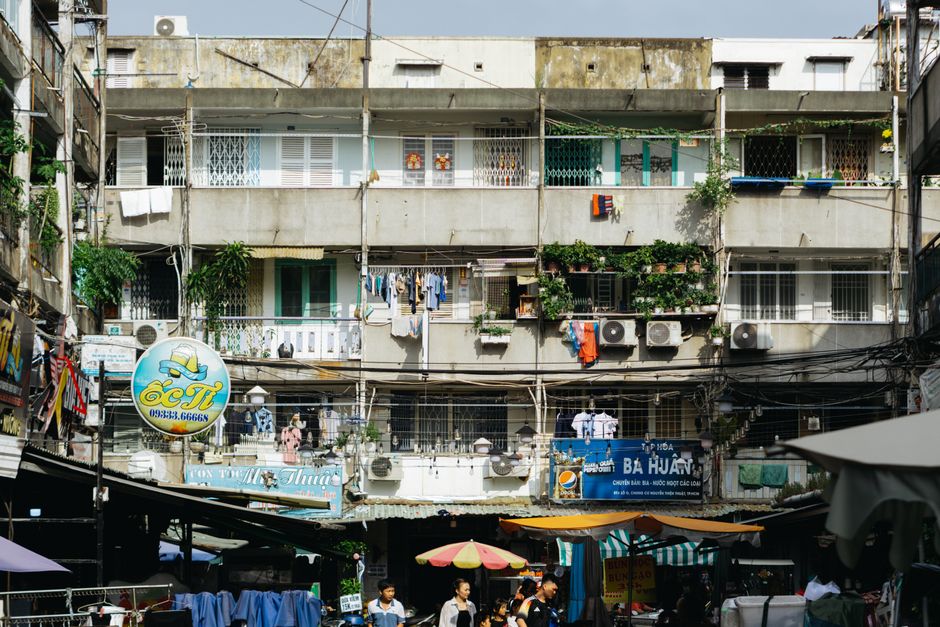
This is the part that will upset people. Thailand, especially the southern islands and Chiang Mai, is no longer the cheapest option in Southeast Asia. It’s not even close. The country’s tourism recovery prioritized higher-spending visitors. Visa policies changed. Prices followed.
A dorm bed on Koh Phi Phi in high season 2026 runs $20-25. A basic private bungalow on Koh Lanta is $35-40. A plate of pad thai at a tourist restaurant in Ao Nang costs 120-150 baht ($3.50-4.50). None of this is expensive by Western standards. But it’s no longer the bargain it was.
Compare that to Vietnam. A dorm bed in Da Nang or Hoi An still costs $6-8. A bowl of pho from a street stall is $1.50. A private room with AC in a family-run guesthouse runs $15-18. The value gap between Thailand and Vietnam in 2026 is stark. If your goal is stretching money, Vietnam wins. No contest.
That doesn’t mean skip Thailand. The infrastructure, food scene, and ease of travel are still excellent. But go in knowing you’re paying a premium for convenience and comfort, not for raw budget value.
Vietnam in 2026: The Last True Budget Stronghold
Here’s my honest take: if you want the classic backpacking experience — cheap dorms, incredible street food, motorbike adventures, friendly locals — Vietnam is where it still exists in 2026. The prices have gone up, yes, but they started so low that even with inflation, the value remains exceptional.
Let me give you real numbers from a traveler I know who spent February 2026 there. In Hanoi, she paid $7 for a dorm bed at a hostel with free breakfast and a rooftop. In Hoi An, she got a private room with a balcony for $14. In Da Lat, she rented a motorbike for $6 a day. Her average daily spend, including everything, was $28. She wasn’t suffering. She was eating well, doing tours, and drinking coffee at cafes every day.
The sleeper buses are still absurdly cheap. The Hanoi to Sapa overnight bus costs around $12-15. The train from Hanoi to Da Nang in a soft sleeper berth runs $25-30. You can cross the entire country for under $50 in transport if you’re patient.
The catch: Vietnam is popular now. The secret is out. Hostels in Hanoi and Hoi An book out days in advance during peak season. The Ha Giang Loop, once a niche motorbike adventure, now has hundreds of riders daily. The value is still there, but the solitude is not.
Bali’s Pricing Problem
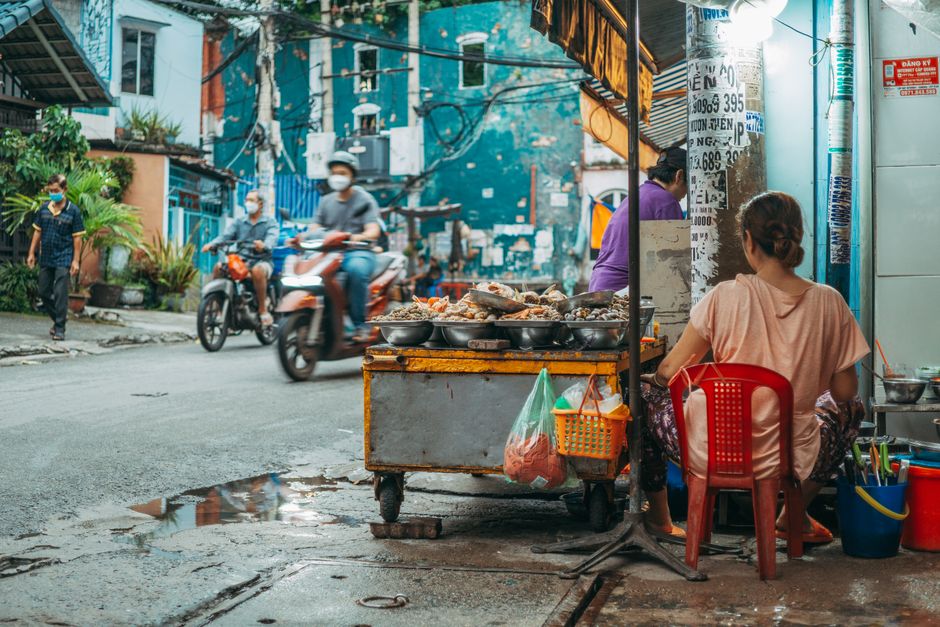
Bali in 2026 is a case study in what happens when a destination becomes a brand. The island’s prices now rival parts of southern Europe. A smoothie bowl in Canggu costs $8-10. A yoga class is $15. A dorm bed at a trendy hostel is $18-22. You can easily spend $70-100 a day without trying.
The locals know it too. Many Balinese workers have been priced out of their own neighborhoods. The traffic is worse than ever. The beaches in the south are crowded and, in some spots, polluted. The Instagram version of Bali and the reality have diverged sharply.
Here’s the thing: Bali can still be affordable if you leave the Canggu-Ubud-Seminyak triangle. Head north to Munduk or west to Pemuteran, and prices drop by half. A homestay in Munduk costs $15-20 a night. Warung meals run $2-3. The waterfalls and rice terraces are quieter. But that’s not the Bali most backpackers want. They want the cafes, the coworking spaces, the beach clubs. And that Bali is expensive.
My verdict: if you’re going to Bali for the digital nomad lifestyle, budget $60-80 a day minimum. If you’re going for actual backpacking, skip Bali entirely and go to Java, Sumatra, or Flores. Same country, completely different price bracket.
The Hidden Costs Nobody Talks About
Daily budgets are one thing. The surprise costs are what wreck your savings. Here are the ones that hit backpackers in 2026:
- Visa fees. Thailand now charges for some visa types that used to be free. Vietnam’s e-visa costs $25-50 depending on length and processing speed. Cambodia’s visa on arrival is $30. Laos is $40. These add up fast if you’re crossing borders often.
- Transport between cities. The $3 bus ride still exists, but the comfortable options — sleeper buses with proper beds, flights, private transfers — have gone up. A flight from Bangkok to Chiang Mai now runs $40-60. That used to be $25.
- Activities and entrance fees. National parks, temples, and tours have all raised prices. Angkor Wat’s one-day pass is $37. A Halong Bay overnight cruise is $100-150. The Elephant Nature Park in Chiang Mai is $80-100 for a day visit. These are worth doing, but they blow up a daily budget.
- Travel insurance. More hostels and tour operators now require proof of insurance. A solid policy for 3 months in Southeast Asia runs $150-300 depending on your age and coverage. Not optional anymore.
- The “cheap destination” trap. When things are cheap, you spend more. You take the extra tour. You order the second beer. You extend your stay. The psychology of budget travel means you often spend the same total amount, just on more things.
Where the Value Actually Is in 2026

If you’re flexible and willing to skip the famous spots, Southeast Asia still delivers world-class value. Here’s where I’d send a budget-conscious backpacker right now:
Northern Vietnam (Ha Giang, Cao Bang, Ninh Binh). Still cheap, still stunning, still relatively uncrowded compared to the coast. Dorms for $5-7. Meals for $2. Motorbike rental for $6-8 a day. The Ha Giang Loop remains one of the best travel experiences on the planet, and it costs almost nothing.
Central and Southern Laos (Thakhek, Pakse, Si Phan Don). Laos is the sleeper hit. The Thakhek Loop rivals Ha Giang for scenery with a fraction of the traffic. Dorms are $5-8. Beer is $1. The 4,000 Islands in the south is the closest thing to old-school backpacker Southeast Asia that still exists.
Java and Sumatra, Indonesia. Everyone goes to Bali. Almost nobody goes to Java. Yogyakarta has dorm beds for $5-8, incredible street food for $1-2, and Borobudur and Prambanan nearby. Sumatra’s Bukit Lawang and Lake Toba are similarly cheap and genuinely wild. This is where Indonesia’s budget value hides.
Cambodia’s less-visited corners (Kampot, Kep, Battambang). Siem Reap and Phnom Penh have tourist prices. Kampot still has $5 dorms, $2 meals, and a riverside vibe that feels like Thailand 15 years ago.
So, Is It Still Worth It?
Yes. With a caveat.
The backpacking Southeast Asia of 2015 — the one where you could live on $15 a day without trying — is gone. It’s not coming back. The region has developed. Incomes have risen. Infrastructure has improved. That’s a good thing for the people who live there. But it means the budget traveler needs to be smarter.
If you’re willing to skip the famous spots, take local transport, eat where locals eat, and accept that some things cost more than they used to, Southeast Asia remains one of the best value travel regions on Earth. A $35-40 daily budget still gets you a comfortable, adventurous, memorable trip. You just have to work for it a little harder than before.
The people who complain that “it’s not cheap anymore” are usually the ones trying to recreate an Instagram version of travel that never really existed. The real Southeast Asia — the markets, the mountains, the motorbike roads, the family-run guesthouses — is still there. It’s still affordable. You just have to go find it.