 Thomas Lucas
 Patagonia in winter is not a joke. The wind in Torres del Paine regularly hits 100 km/h. Temperatures in El Chaltén drop to -10°C at night. Rain, sleet, and snow can hit you in the same hour. I’ve seen people abandon treks because their gear failed, not because they were unfit.
This list is not about surviving Patagonia. It is about being comfortable enough to actually enjoy it. I will name specific products, explain why they work, and tell you what to leave at home. No fluff.
The Core Problem: Wind and Wet, Not Just Cold
Most people pack for a ski trip. That is the first mistake. Patagonia is not a dry alpine environment. The Andes in winter are a maritime climate. You get heavy horizontal rain, wet snow, and constant wind. The cold is real but it is the wind chill and moisture that break people.
Your layering system must stop wind completely and move sweat out fast. A puffy down jacket alone is useless in rain. A heavy ski parka will make you sweat on climbs and freeze when you stop. The solution is a modular system with a hardshell as the foundation.
The Non-Negotiable Layer: A Real Hardshell
You need a 3-layer Gore-Tex or equivalent shell with a helmet-compatible hood and pit zips. The Arc’teryx Beta AR is the reference point. It costs around $600 but the hood design and fabric durability are unmatched. If that is too expensive, the Patagonia Triolet ($399) is solid. Do not buy a rain jacket from a fashion brand. The wind will find every seam.
Insulation: Down vs Synthetic
Down is lighter and packs smaller. Synthetic keeps insulating when wet. For Patagonia winter, you need both. A midweight down jacket like the Rab Microlight Alpine ($280) works as a belay layer and for town. But for active use in wet snow, a synthetic piece like the Patagonia Nano-Air ($299) is better. It breathes and dries fast. If you can only bring one, bring synthetic. Wet down is dead weight.
What I Actually Pack: The Full List
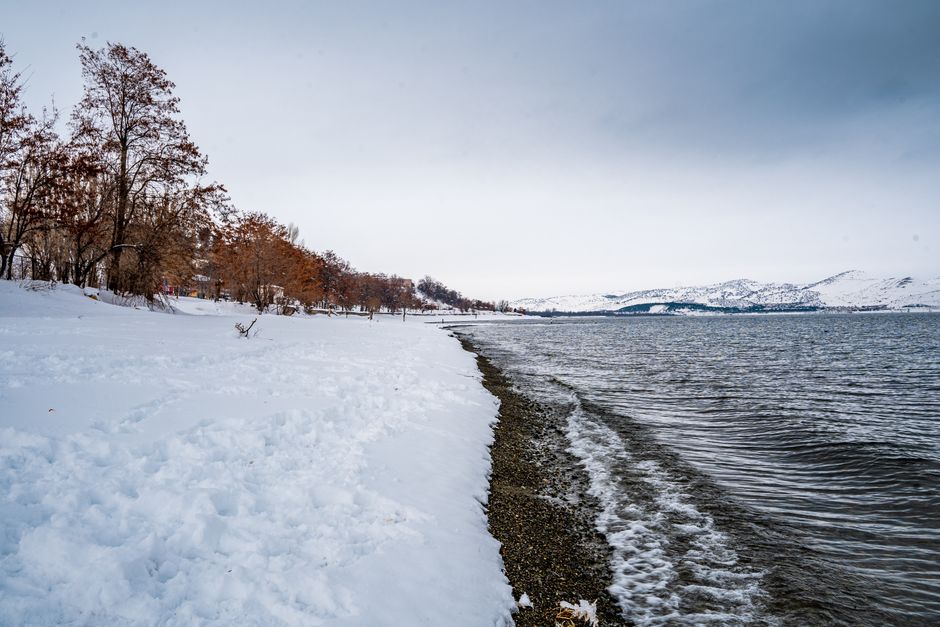
This is my exact packing list for a two-week trip split between Torres del Paine and El Chaltén. It fits in a 45L backpack with room to spare for food.
Base Layers
- 2 merino wool t-shirts (Icebreaker Tech Lite II, $80 each)
- 1 merino long-sleeve base layer (Smartwool Classic Thermal, $115)
- 2 merino boxers (Icebreaker Anatomica, $50 each)
- 1 pair merino long johns (Smartwool, $110)
Merino is not a luxury. It is the difference between smelling like a locker room and staying fresh for a week without washing. Synthetics stink after one day of sweating. Merino does not.
Mid Layers
- 1 grid fleece hoody (Patagonia R1 Air, $139)
- 1 synthetic insulated jacket (Patagonia Nano-Air, $299)
- 1 down jacket for camp and town (Rab Microlight Alpine, $280)
Outer Layers
- 1 hardshell jacket (Arc’teryx Beta AR, $600)
- 1 hardshell pants (Patagonia Torrentshell 3L, $179)
Bottom Half
- 2 pairs hiking pants (Prana Stretch Zion, $95 each)
- 1 pair softshell pants for cold days (Outdoor Research Cirque II, $199)
Feet and Hands
- 3 pairs merino hiking socks (Darn Tough Hiker, $26 each)
- 1 pair liner gloves (Sealskinz, $40)
- 1 pair insulated waterproof gloves (Black Diamond Guide, $160)
- 1 pair gaiters (Outdoor Research Crocodile, $90)
Head and Face
- 1 merino beanie (Icebreaker, $35)
- 1 balaclava or neck gaiter (Buff merino, $35)
- 1 pair glacier glasses with side shields (Julbo Explorer 2.0, $130)
Gear and Accessories
- 1 headlamp with fresh batteries (Black Diamond Spot 400, $50)
- 1 1L insulated water bottle (Hydro Flask, $45)
- 1 2L hydration bladder (Platypus Big Zip EVO, $40)
- 1 power bank 20,000 mAh (Anker PowerCore, $60)
- 1 travel towel (PackTowl, $25)
- 1 multi-tool (Leatherman Squirt PS4, $45)
- 1 roll of leukotape for blisters
- 1 small tube of sunscreen SPF 50+
- 1 tube of lip balm with SPF
Footwear: The Most Common Failure Point
I have seen more trips ruined by bad boots than by any other gear choice. In winter Patagonia, you need a waterproof leather or synthetic boot with a stiff sole and enough room for thick socks. Trail runners will not cut it. The mud and snow will soak through mesh in minutes.
The Scarpa Zodiac Plus GTX ($350) is my pick for most people. It is stiff enough for crampons on easy glacier walks, but comfortable enough for long valley approaches. The La Sportiva Trango Tech GTX ($320) is lighter but less durable. If you have wider feet, the Lowa Renegade GTX Mid ($260) is more forgiving.
Break them in before you go. At least 50 km of walking. Blisters in Patagonia are not just painful. They can end your trek.
What to Leave at Home
This is the short section. Read it carefully.
Do not bring cotton anything. No jeans, no cotton t-shirts, no cotton socks. Cotton absorbs moisture and stays wet. In cold wind, wet cotton kills. This is not hyperbole.
Do not bring a heavy ski jacket. You will overheat on climbs and the bulk will annoy you on buses and in refugios. The layering system above is warmer and more versatile.
Do not bring more than two pairs of shoes. One pair of hiking boots and one pair of lightweight camp shoes like the Crocs Classic Clog ($50) or Teva sandals. That is it.
Do not bring a laptop. You are not going to work. A phone and a power bank are enough.
Packing Strategy: How It All Fits
The key is compression and organization. Use stuff sacks or packing cubes. I use the Sea to Summit Ultra-Sil compression sacks. They are light and durable.
Pack your sleeping bag or liner at the bottom if you are camping. Mid layers and down jacket go next. Hardshell goes on top or in an outer pocket for quick access. Heavy items like your water bottle and food go close to your back. Keep your rain gear accessible at all times. The weather can change in ten minutes.
| Item Category | Specific Product | Weight (g) | Price (USD) |
|---|---|---|---|
| Hardshell jacket | Arc’teryx Beta AR | 460 | 600 |
| Synthetic insulated jacket | Patagonia Nano-Air | 400 | 299 |
| Down jacket | Rab Microlight Alpine | 450 | 280 |
| Hiking boots | Scarpa Zodiac Plus GTX | 720 | 350 |
| Hardshell pants | Patagonia Torrentshell 3L | 350 | 179 |
| Fleece hoody | Patagonia R1 Air | 300 | 139 |
| Backpack 45L | Osprey Kestrel 48 | 1600 | 220 |
Total weight for all clothing and gear listed: around 6-7 kg. That leaves room for food, water, and a camera if you are trekking unsupported. If you are staying in refugios, you can cut that in half.
Final Verdict
Buy the hardshell first. Then the boots. Then the merino base layers. Everything else is secondary. If your shell leaks or your boots fail, nothing else matters.
For a two-week winter trip, the gear list above is not minimalist. It is realistic. You will use every single item. The only optional piece is the down jacket if you are staying in heated refugios every night. But for camping or long days outside, bring it.
Patagonia rewards preparation. The people who suffer are the ones who thought a puffy jacket and jeans would be enough. Do not be one of them.