 Thomas Lucas
You leave Galway under blue sky, reach Spiddal, and then the wind changes. Within ten minutes, rain is tapping the windscreen and the beach walk you planned no longer looks sensible. The right response is not to abandon the coast. It is to choose a route where a warm café, an indoor attraction, and a safe place to pause sit close to the road.
This guide compares practical Irish coastal drives for wet summer days, explains how to schedule stops, and gives a clear gear verdict for people who will walk beyond the car park. Café opening hours, road conditions, and prices can change, so verify them on the morning of travel. This is not legal advice — consult a licensed attorney.
Which Irish coastal drive works best in summer rain?
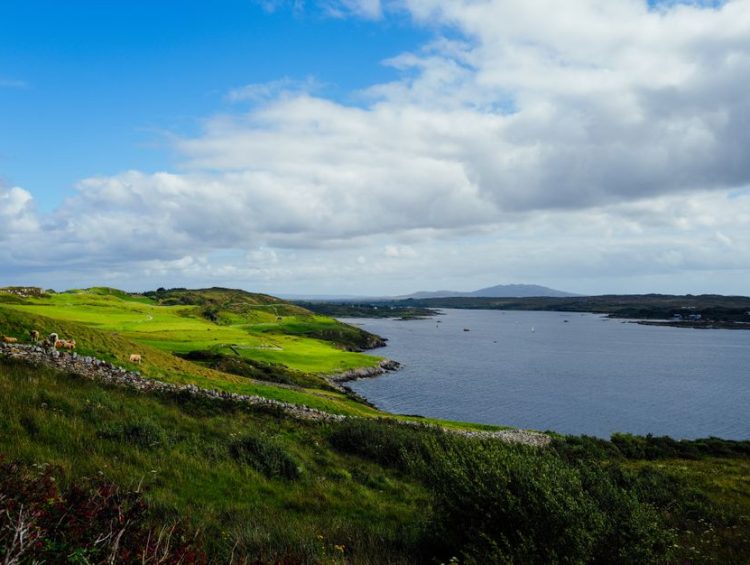
For a first trip, I would choose the Connemara coast from Galway toward Clifden. It gives you more ways to shorten the day than Slea Head, with villages, beaches, heritage sites, and cafés spread along the route. Slea Head is the stronger choice for dramatic cliffs and Atlantic views, but its narrow roads and exposed stops demand more patience when rain and wind arrive together.
| Route | Typical driving plan | Best wet-weather advantage | Café strategy |
|---|---|---|---|
| Connemara Loop and R336 | About 45 km for the coastal loop, with a longer Galway-to-Clifden day if extended | Several villages and indoor diversions make it easy to shorten the route | Builín Blasta in Spiddal, POTA Café near Inverin, or the café at Kylemore Abbey |
| Slea Head Drive | Allow 2 to 3 hours for the loop from Dingle before adding longer walks | Outstanding views even during breaks in the cloud, plus the Blasket Centre as a useful indoor stop | Start with food in Dingle and use Tig Áine or the Blasket Centre café as planned recovery points |
| Salthill to Spiddal | A flexible half-day coastal run west from Galway | Easy to turn back when visibility drops, with more services near Galway | Use Ground and Co. in Salthill or Builín Blasta near Spiddal |
Best route for a cautious driver
The Galway-to-Spiddal section wins if you are unfamiliar with driving on the left or travelling with children. You can stop at Salthill, Barna, Furbo, or Spiddal without committing to a remote loop. Ground and Co. in Salthill is listed as a rainy-day café with parking, while Builín Blasta overlooks Spiddal Beach and serves coffee, baked goods, sandwiches, and hot food. Those features matter more than a famous viewpoint when the weather turns.
Best route for a dramatic coastal payoff
Slea Head wins for scenery, but the verdict comes with a condition: drive it clockwise from Dingle and treat every exposed viewpoint as optional. The route includes narrow sections, small parking areas, and places where turning around is awkward. Official visitor guidance describes the drive as a winding coastal road, so a wet day is a reason to reduce speed and leave space rather than chase every stop.
How should you plan an Irish coastal drive around summer showers?
The morning decision
Start by checking the Met Éireann forecast, rainfall radar, and any local road notices before leaving, then choose one primary route and one shorter version that ends near a town; this simple decision prevents a pleasant café stop from becoming a race against closing time. Set off early enough to reach the first substantial stop before lunch, because smaller coastal cafés may close earlier than city restaurants and some operate reduced hours outside their busiest days.
The driving rule that matters most
Leave at least thirty minutes of spare time for every two hours of planned driving, keep the route on a downloaded map, and treat Irish speed limits as a ceiling rather than a target on narrow regional roads; in heavy rain, visibility, cyclists, sheep, parked cars, and oncoming coaches deserve more attention than the timetable. If the cloud drops over a high pass or the road surface begins to flood, continue only when conditions remain comfortable, because the best coastal itinerary is the one that leaves everyone calm enough to enjoy the next stop.
That approach also protects the parts of the day that cannot be replaced. A beach may look grey for an hour and then open into clear Atlantic light, while a cliff viewpoint may be unsafe or disappointing when mist hides the horizon. Use the forecast to decide where to spend time, not to predict the exact mood of every headland.
How do café stops make a wet-weather route work?
A café is not just a place to buy coffee. On an Irish coastal drive, it is a time buffer, a warm-up point, and a way to protect the rest of the day from one bad shower. Plan each stop against four practical tests: indoor seating, reliable parking, toilets, and a location that does not force you to reverse along a narrow lane.
Use the four-stop method
- Start with supplies. Eat breakfast in Galway, Dingle, or the town closest to your route. Do not assume a remote viewpoint will have food.
- Schedule the first café before fatigue appears. On the Connemara coast, Spiddal is a sensible early stop because Builín Blasta offers bakery items, hot food, and coffee near the beach.
- Pair one exposed view with one sheltered activity. After a windy beach or headland, use a museum, heritage centre, abbey café, or village restaurant rather than adding another exposed walk.
- Confirm the final stop before leaving mobile coverage. POTA Café near Inverin is a useful Connemara option, while the Blasket Centre provides an indoor alternative near Slea Head; check current hours before departure.
- Leave before the room becomes crowded. A ten-minute wait is manageable, but a full café can remove the recovery time that made the route comfortable in the first place.
Stops I would choose by route
For Connemara, I would use Builín Blasta as the practical beach-adjacent stop, then keep Kylemore Abbey as the stronger shelter option if the weather worsens. For Slea Head, I would eat in Dingle before starting, carry water, and treat the Blasket Centre as the main planned indoor break. For the Galway Bay coast, Ground and Co. in Salthill is the easiest option when a short loop needs to remain close to city services.
Menus and hours are not fixed legal promises. Check the venue’s own page or phone ahead, especially on Sundays and during shoulder-season dates. A route built around one unverified café is fragile; a route with two food options and one indoor attraction can absorb a shower without losing its shape.
What mistakes ruin an Ireland coastal drive in wet weather?
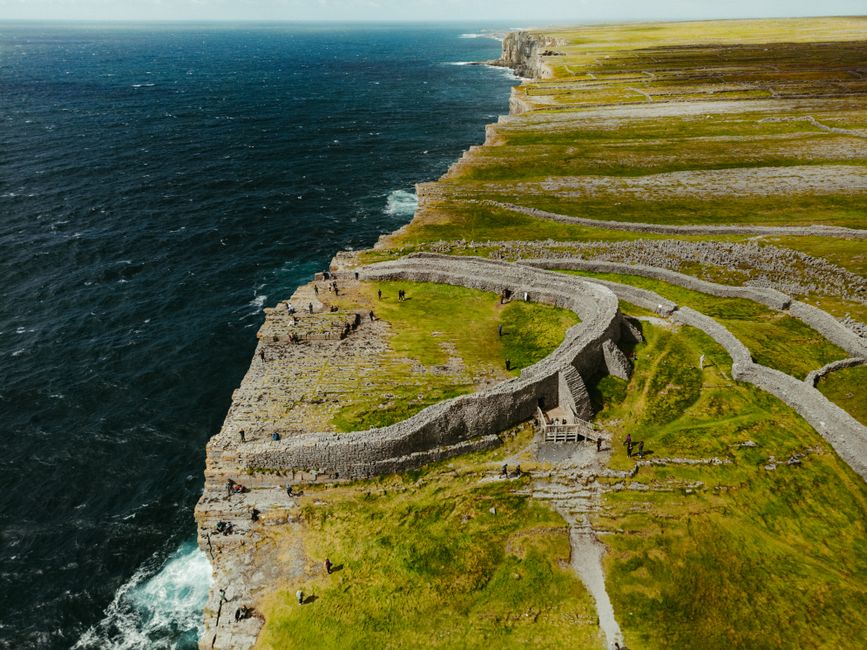
The biggest mistake is trying to complete a scenic loop as if it were a motorway journey. For summer showers, my clear verdict is to choose Connemara for flexibility, Slea Head for a slower one-day highlight, and no route at all if the driver is tired or visibility has fallen beyond a comfortable level.
Failure modes to avoid
- Overloading the map: Adding Cliffs of Moher, Dingle, Connemara, and a long airport transfer to one day leaves no room for rain, queues, or a wrong turn.
- Trusting straight-line distance: A short map distance can take much longer on narrow coastal roads with passing places and slow traffic.
- Chasing every viewpoint: If mist hides the Blasket Islands or a headland is too windy for a safe stop, move on. The landscape will still be there.
- Ignoring the return journey: A café stop at 4 p.m. does not help if the final drive to accommodation takes two hours on unfamiliar roads.
- Buying the wrong gear: Waterproof shoes do not solve cold hands, and a rain jacket does not make slippery rocks safe. Clothing supports a decision; it does not replace one.
The practical final choice
Choose the Connemara Loop when you want coastal scenery with the largest number of easy exits and café options. Choose Slea Head when the route itself is the main event and you can give it a full, unhurried day. Keep one indoor stop in reserve, and let the weather decide how long you stay outside.
The next generation of Irish coastal itineraries will be judged by more than viewpoints. Routes that combine good roads, honest timing, warm cafés, and sensible shelter will give travellers a better relationship with the weather—and a stronger reason to keep exploring the coast when the forecast is mixed.